
Maddachalk Spring
Location: Calhoun County, Florida, United States
Maddachalk Spring within the Chipola River basin of the Florida Panhandle, surrounded by the forested karst landscape characteristic of northern Florida spring systems.
Maddachalk Spring is a second magnitude spring located along the banks of the Chipola River in Calhoun County, Florida.
Unlike many springs in the region, Maddachalk discharges directly from the riverbank and is not offset by a separate spring run. The system is known for stable visibility conditions, strong internal flow, and structurally fragile limestone formations.
Despite fluctuating river levels, diving conditions within the cave remain consistently good due to the strength of the spring’s discharge.
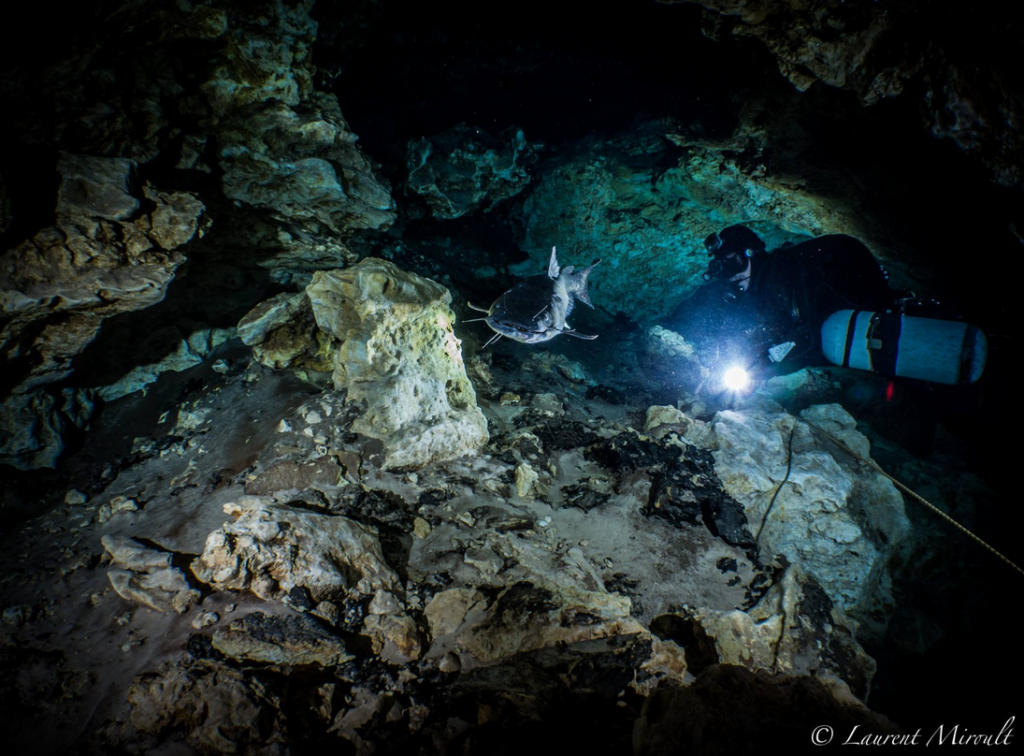
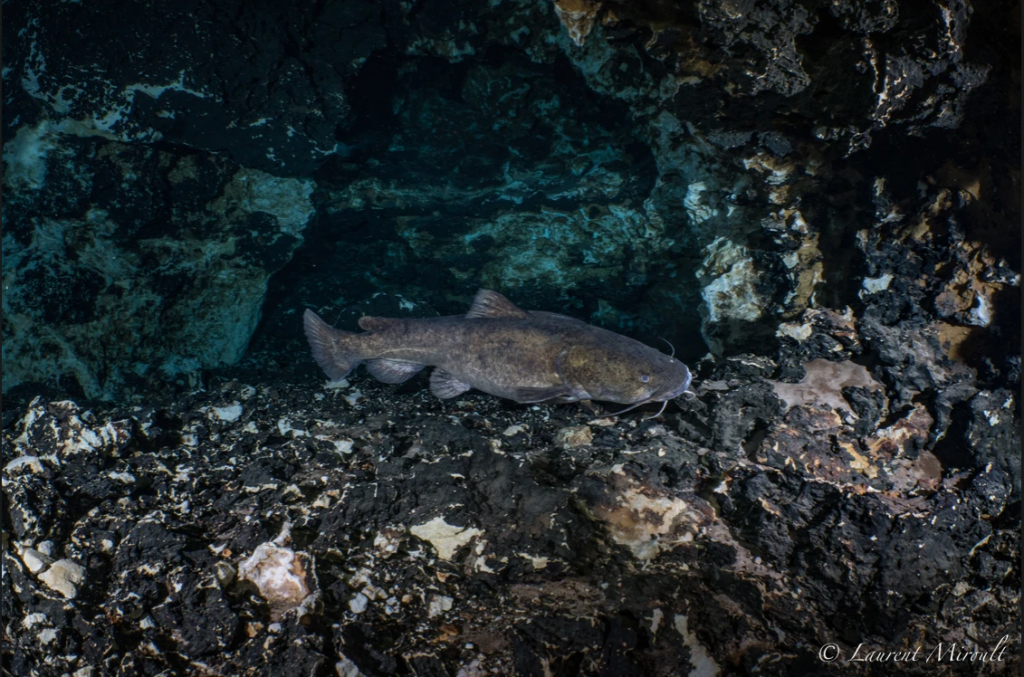
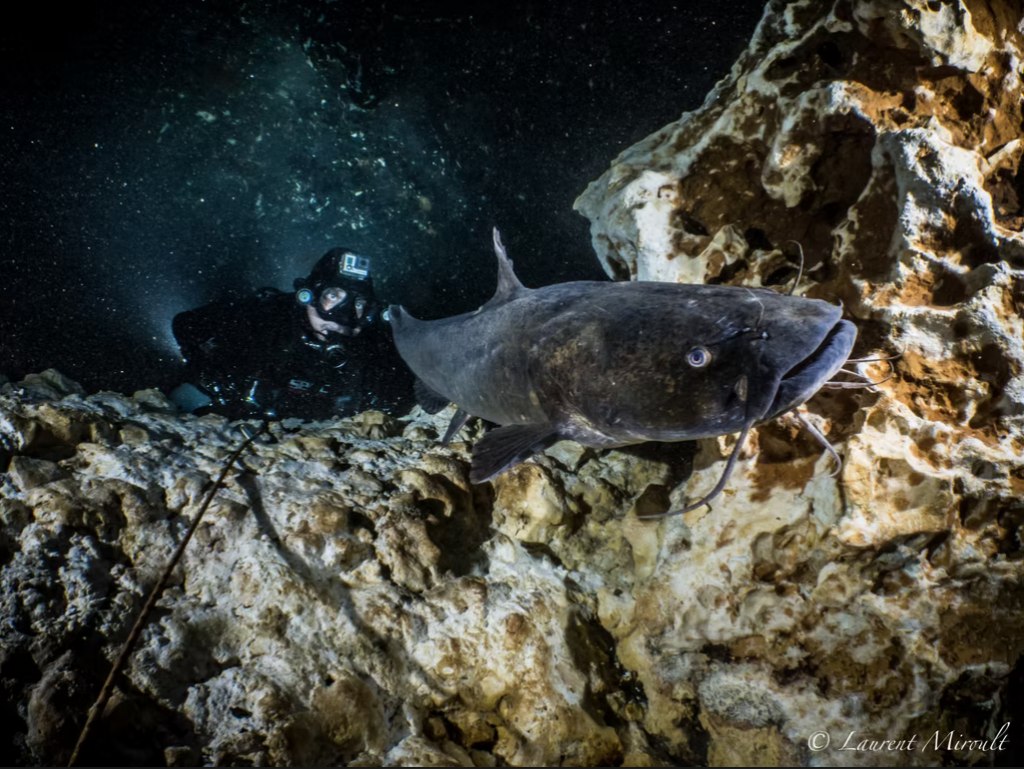
The system is also known for its population of giant catfish, which are frequently observed several hundred feet inside the cave.
FREE FLORIDA SPRINGS GUIDE
Want to discover more of Florida’s hidden waterways?
Download The 25 Most Notable Springs and Cave Systems in Florida and explore some of the state’s most remarkable spring basins, underwater cave systems, and hidden natural treasures.
✓ Featured springs throughout Florida
✓ Cave systems and exploration highlights
✓ Popular destinations and hidden gems
✓ Instant download
Maddachalk Spring can be reached by kayak, canoe, or paddleboard from Johnny Boy landing or, for the more adventurous, from the Willis Bridge Park. If launching from Johnny Boy, hug the west bank to avoid the shoals just south of the landing. If launching from Willis Bridge, be prepared to have to lower your vessel down a steep hill to the river. Depending on water levels and current conditions, paddlers can access the spring by following the Chipola River south from Johnny Boy until you see Willis Bridge or north from the bridge about 300 feet. The spring is on the west bank of the river and is only visible with the water level is very low. The route is generally suitable for recreational paddlers, though conditions may vary throughout the year.
As you approach the spring, watch for changes in water color, clarity, and vegetation that often indicate groundwater entering the system. Paddlers may encounter limestone formations, submerged vents, native wildlife, and the clear blue water commonly associated with Florida’s spring systems. The spring provides a unique opportunity to observe the connection between Florida’s surface waterways and the hidden groundwater network flowing beneath the landscape.
Geological Context
Maddachalk emerges from Florida’s karst limestone aquifer directly into the Chipola River basin.
Despite being classified as a second magnitude spring, the cave passage is moderately small in cross-section, resulting in concentrated flow that can make upstream travel demanding.
The cave contains delicate limestone formations that are susceptible to breakage and sediment disturbance.
Structure & Layout
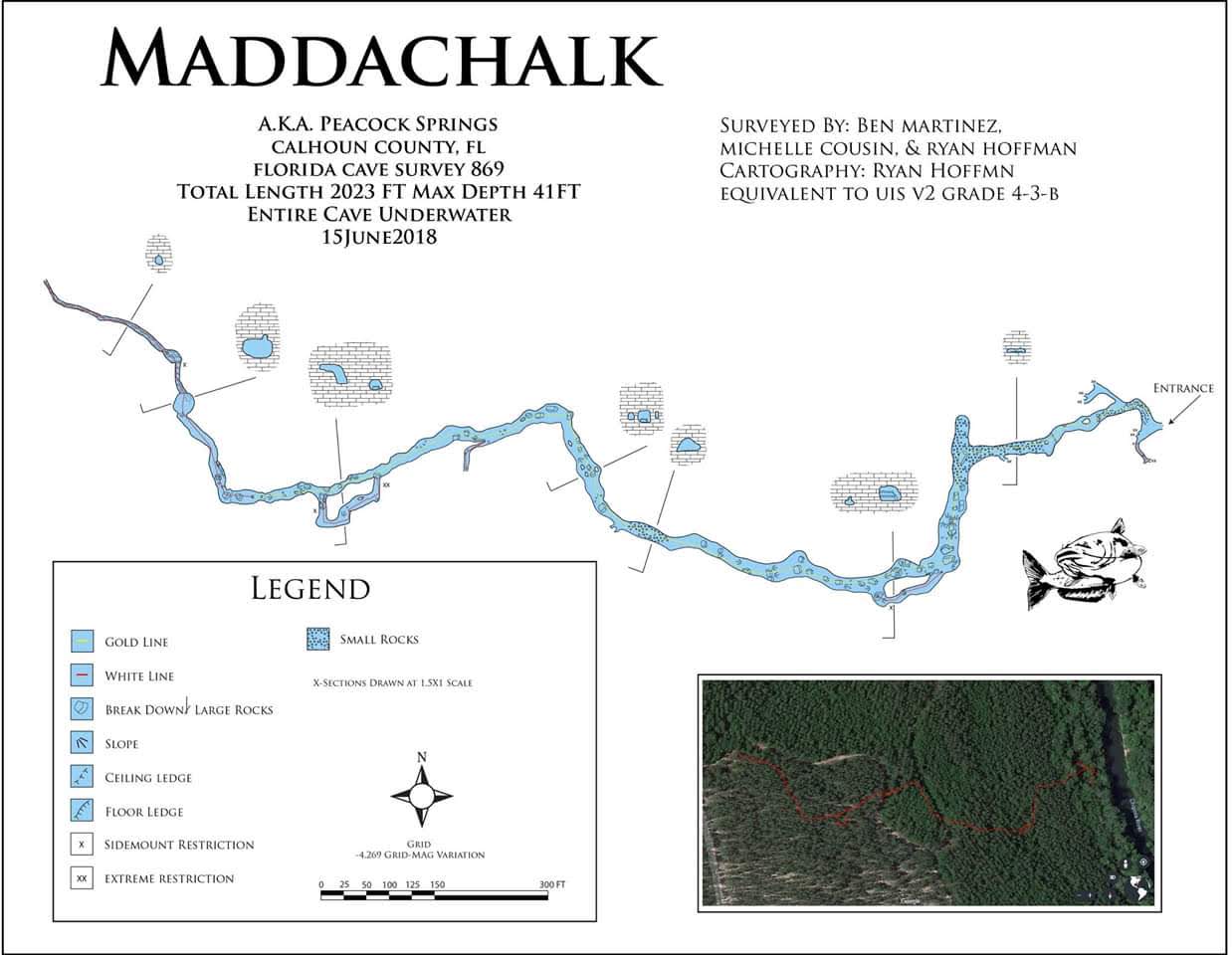
The cave consists primarily of one main passage with three offshoot passages. Two of these offshoots loop back to reconnect with the primary line.
The main passage is relatively shallow compared to other regional cave systems but features frequent depth changes. These changes require precise buoyancy control to avoid contact with the floor or ceiling.
The guideline terminates approximately 1,800 feet from the entrance in a small wormhole-style passage. The apparent distance often feels longer due to the sustained current encountered during penetration.
At the terminus, the visible water source emerges from a crack too small to allow further exploration.
Hydrological Characteristics
Maddachalk is notable for maintaining relatively consistent water clarity regardless of fluctuating river stage conditions.
Unlike many nearby spring systems influenced heavily by seasonal runoff, the system often retains usable visibility even during elevated river conditions.
The moderate passage size combined with sustained spring discharge creates persistent flow throughout much of the system.
- Upstream swimming can become physically demanding during penetration.
- Flow remains noticeable throughout much of the primary passage.
- River fluctuations may still influence entrance conditions and visibility near the spring mouth.
Maddachalk contains delicate limestone formations that are susceptible to breakage and sediment disturbance.
Because of the fragile cave architecture, “pull and glide” techniques are not appropriate within the system. Proper propulsion techniques and buoyancy control are essential to preserve the environment.
Large catfish are commonly encountered within the cave and are frequently observed several hundred feet from the entrance.
Their continued presence has become one of the more recognizable biological characteristics associated with the system.
Maddachalk is known for several giant catfish that inhabit the cave system and are frequently encountered well beyond the entrance.
Individuals are commonly observed several hundred feet inside the cave, often resting within deeper sections of the primary passage.
Their continued presence has become one of the more recognizable biological characteristics associated with the system.
In 2022, a significant ceiling collapse occurred approximately halfway between the entrance and the end of the primary line.
Large limestone boulders fell directly onto the guideline, trapping portions of the line beneath rock for approximately 10 feet.
To maintain a continuous route through the affected area, a secondary guideline was installed from one side of the collapse zone to the other.
The event serves as a reminder of the dynamic geological nature of Florida’s limestone cave systems and the ongoing structural changes that can occur within submerged karst environments.
Cave Data
While not a first magnitude spring, Maddachalk is on the smaller side and the flow can feel significant. The limestone in this cave is very fragile and pulling should not be attempted as the protrusions will crumble in your hands. Move slowly and deliberately. The cave isn’t very long, and you can get to the end of the line using LP85 cylinders easily.
There are five jumps in this cave. One dead-ends fairly quickly. The other four are a pair of short loops. All will bring you through low, silty passages. They are worth doing once just to experience them.
Maddachalk Spring is also known as the Cave of the Giant Catfish because it has several large catfish residing about 400 feet in from the opening. These catfish have been there so long that they are blind, or at least they don’t respond to divers getting close to them if you move slowly. While they are harmless, they will swim out from the dark and can spook you if you aren’t prepared for it.
The end of the line is about 1800 feet from the opening through a small tubular tunnel. The flow is significantly stronger in this tunnel and reaching the end can be difficult. Expect to swim back through a few hundred feet of hazy conditions if you make it to the tube. This cave isn’t visited very often, so percolation diminishes the visibility a bit.
Current Status
- Direct riverbank discharge entrance
- Consistent internal conditions
- Moderate but sustained current
- Fragile limestone formations
- Evidence of active geological instability
The Hidden Rivers of Florida documents the springs, rivers, sinkholes, caves, and groundwater systems that shape Florida’s landscape. Through exploration, photography, research, and firsthand observation, the project seeks to connect visitors with the hidden waterways flowing beneath the state.
Frequently Asked Questions
The spring is located about 300 feet upriver from Willis Bridge in the Chipola River in Calhoun County, Florida.
There are several catfish that live in the cave several hundred feet from the opening. They have been there for decades.
Yes, you can kayak there from 2 entry points. The closest, yet more challenging entry is from Willis Bridge. The spring is only 300 feet from the spring, but the slope to the water is fairly steep. The easier, yet farther entry point is from Johnny Boy Landing, located a couple of miles upriver from the spring.
The opening of the spring is located about 8 feet below the surface during normal river levels. The maximum depth of the cave is in the mid-40 range.
Continue Exploring Florida’s Hidden Waters
If you enjoyed the information about this springs, you’ll love the free guide:
The 25 Most Notable Springs and Cave Systems in Florida
From world-famous destinations like Wakulla, Jackson Blue Spring, and Peacock Springs to lesser-known hidden gems, this guide introduces some of Florida’s most fascinating natural wonders.
Download your free copy and continue exploring beyond the surface.
Get the Free Guide →Nearby Springs
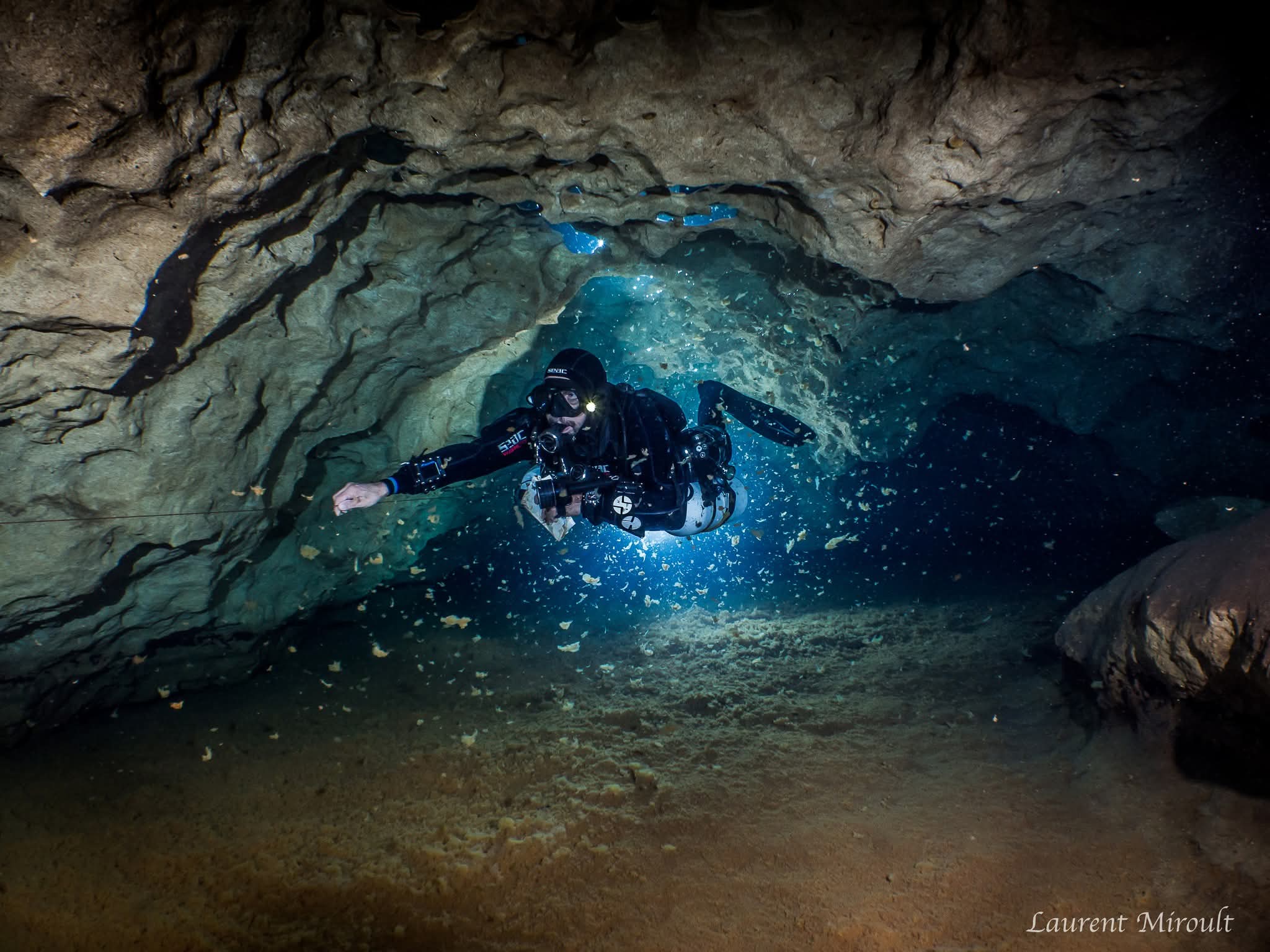
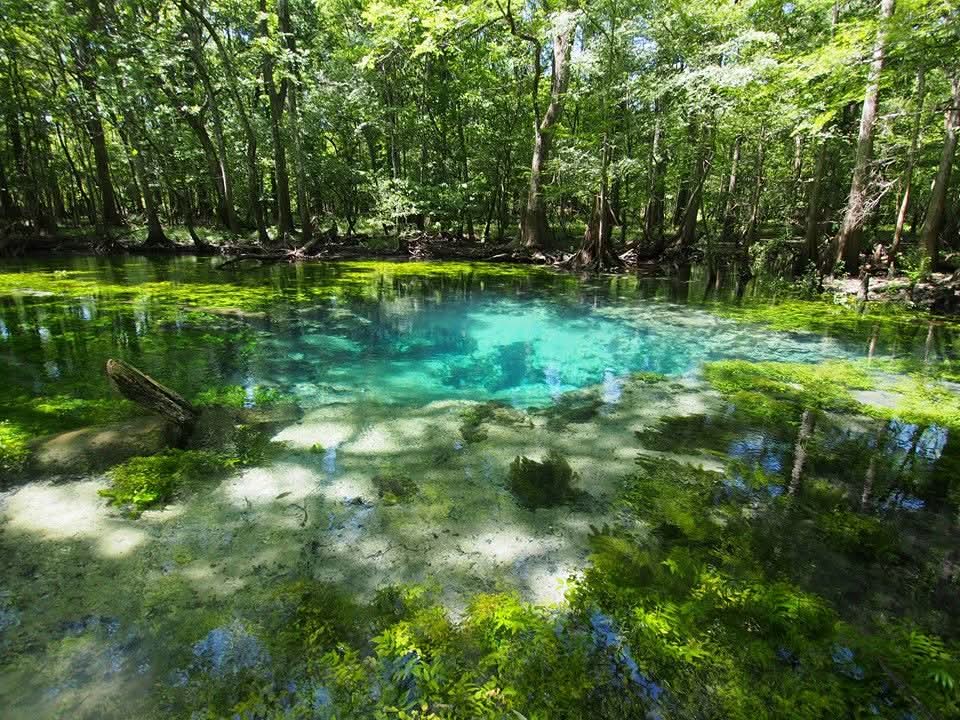
Photo Gallery
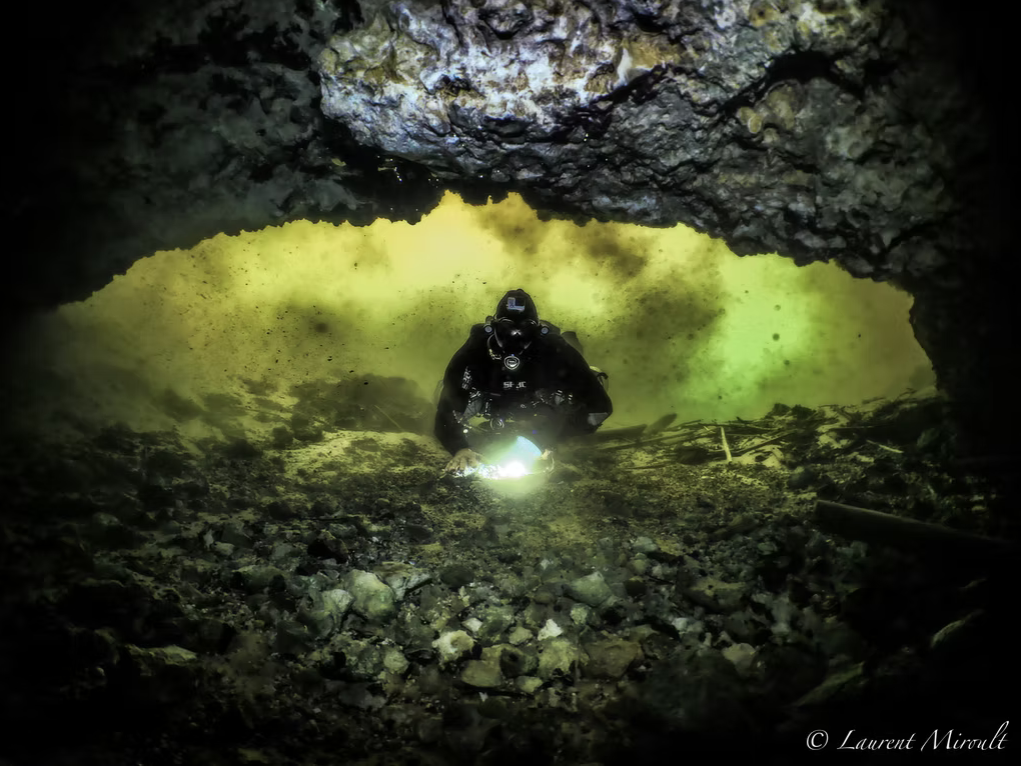
The following images were taken in Maddachalk Spring Cave System by Laurent Miroult.
For more photos by Laurent Miroult, please visit cavediving.pictures