
Bozel Spring
Location: Jackson County, Florida, United States
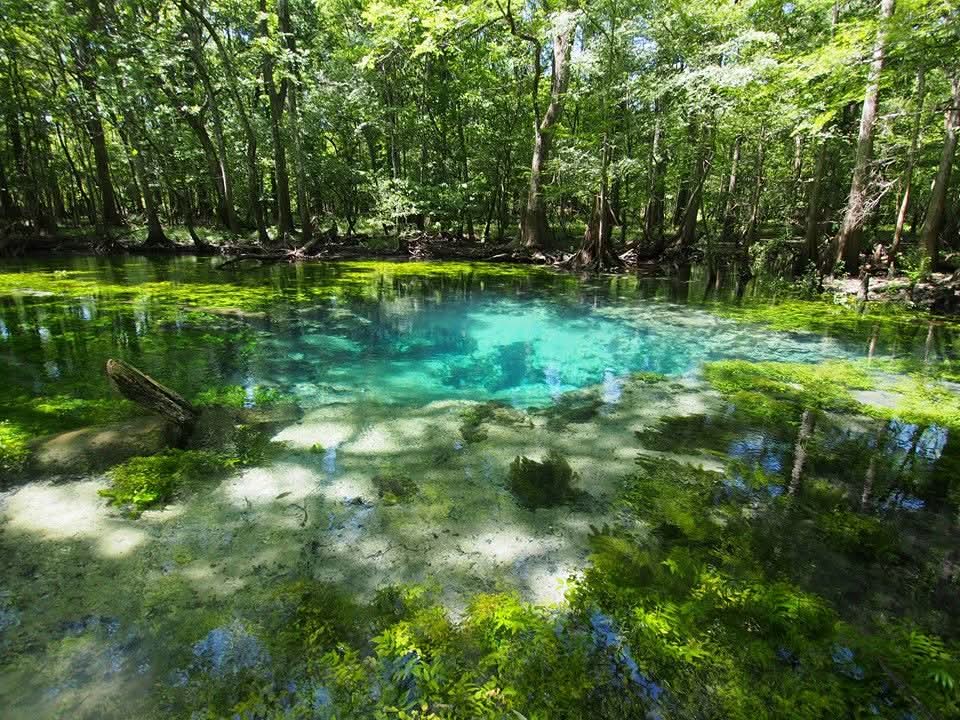
Bozel, also known as Baltzell Spring, is a spring system located off the Chipola River approximately 1.25 miles upstream from the Florida Caverns State Park boat launch.
The spring features four vents, three of which are accessible to divers under appropriate conditions. The system includes a prominent main vent at the end of a scenic spring run as well as additional openings located within a nearby basin surrounded by private property.
Bozel is notable for its varied passage structure, vertical entry, restrictive sections, and significant exploration extensions completed in the mid-2010s.
FREE FLORIDA SPRINGS GUIDE
Want to discover more of Florida’s hidden waterways?
Download The 25 Most Notable Springs and Cave Systems in Florida and explore some of the state’s most remarkable spring basins, underwater cave systems, and hidden natural treasures.
✓ Featured springs throughout Florida
✓ Cave systems and exploration highlights
✓ Popular destinations and hidden gems
✓ Instant download
Bozel Spring (Baltzell Spring) can be reached by kayak, canoe, or paddleboard from the boat launch in Florida Caverns State Park. Depending on water levels and current conditions, paddlers can access the spring basin by following the Chipola River north for about 1.25 miles. State park staff typically keep the route clear and generally suitable for recreational paddlers, though conditions may vary throughout the year, particularly after storms.
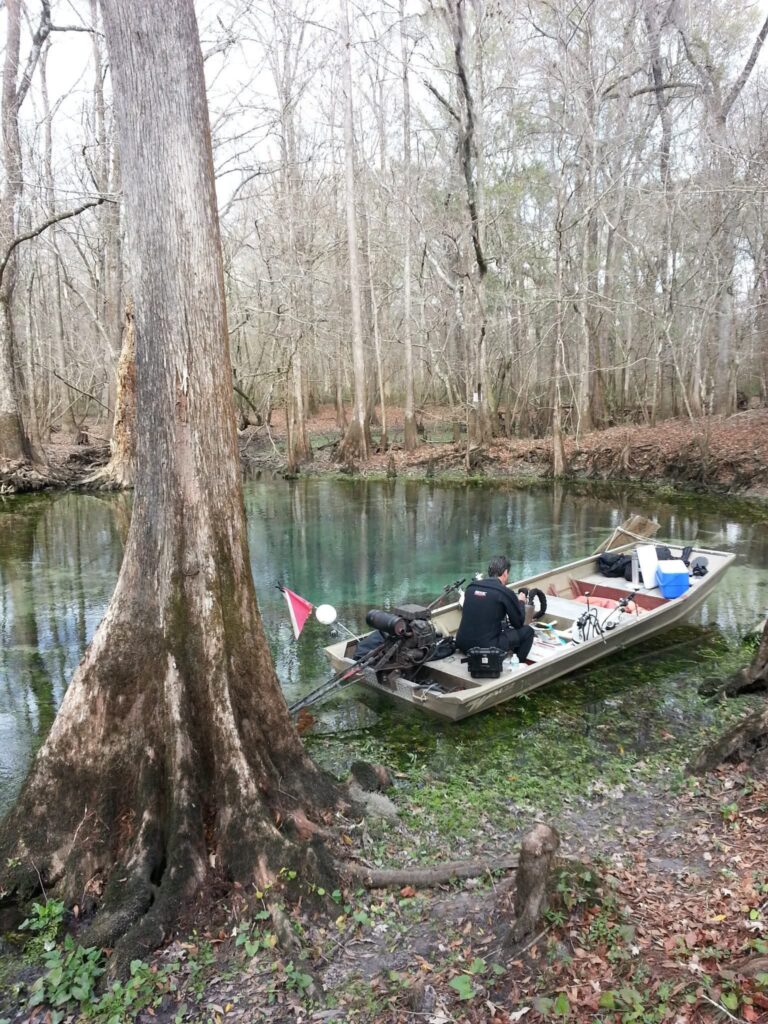
As you approach the spring, watch for changes in water color, clarity, and vegetation that often indicate groundwater entering the system. The spring run is on the east bank, and the confluence of the clear spring water with the tannic river water is unmistakable. Paddlers may encounter limestone formations, submerged vents, native wildlife, and the clear blue water commonly associated with Florida’s spring systems. If you’re lucky, you might catch a glimpse of the resident alligator not far from the boat launch. The spring provides a unique opportunity to observe the connection between Florida’s surface waterways and the hidden groundwater network flowing beneath the landscape.
Geological Context
Regional Setting
Bozel formed within Florida’s karst limestone and discharges into the Chipola River. The spring run flows approximately 400 feet from a basin surrounded by cypress trees and cypress knees, creating one of the more visually distinctive spring environments in the region.
Main Basin
The primary basin is visible from an old abandoned red cabin located on property owned by Southern Cattle Company. The basin serves as the most recognizable surface feature associated with the system.
Additional Vents
Additional vents are located in a separate basin approximately thirty feet from the spring run. These openings lie within private property boundaries and require landowner permission for lawful access.
Structure & Layout
The structure of Bozel reflects the complex interaction between spring basins, submerged conduits, and the surrounding karst landscape. Multiple vents and varying passage dimensions contribute to both the visual character and navigational complexity of the system.
Main Vent
The primary vent is located at the end of the spring run in a large, clear basin. The underwater opening drops vertically to approximately 45 feet before transitioning into modest passage.
Exploration Note: The initial section of passage is known for rapid depth fluctuations and uneven floor profiles, producing a “roller coaster” style route uncommon within many Florida spring systems.
The first 300 feet of passage are highly variable in depth, often described as “roller coaster” in profile due to frequent depth changes.
Shortly past this fissure is a third opening. This entrance can also be reached from private property.
Approximately 100 feet beyond the fissure, the cave transforms dramatically.
Basin Vents
Two additional accessible vents are located in a basin approximately thirty feet from the spring run.
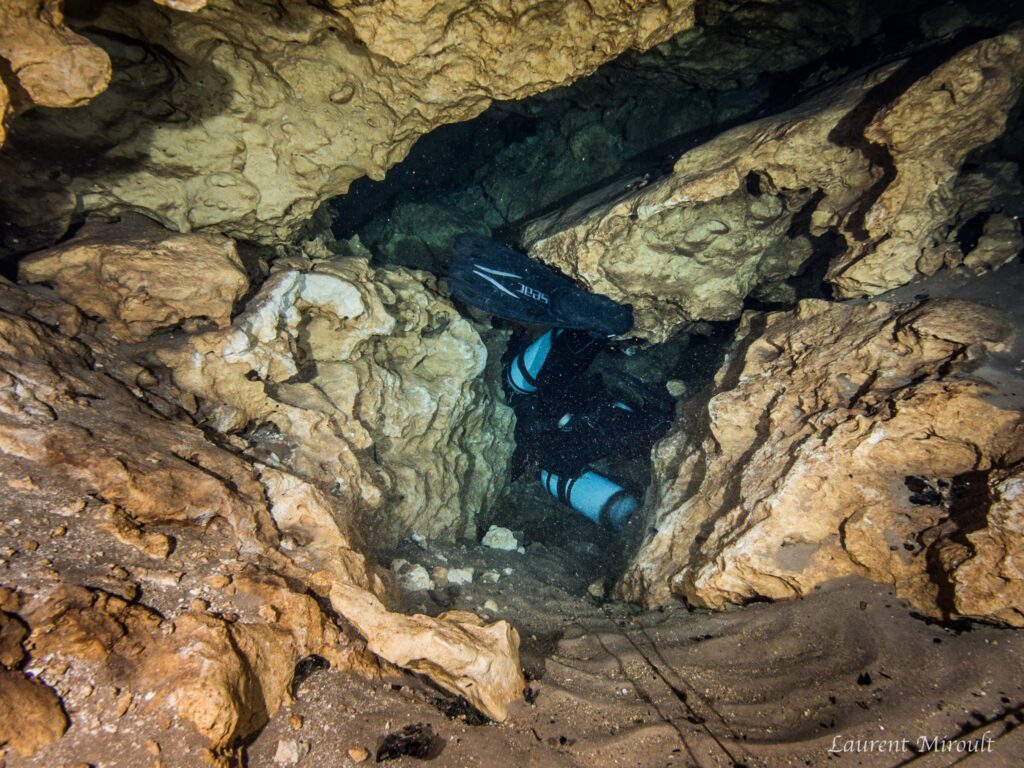
- The second opening drops vertically to approximately 15 feet before continuing into modest passage.
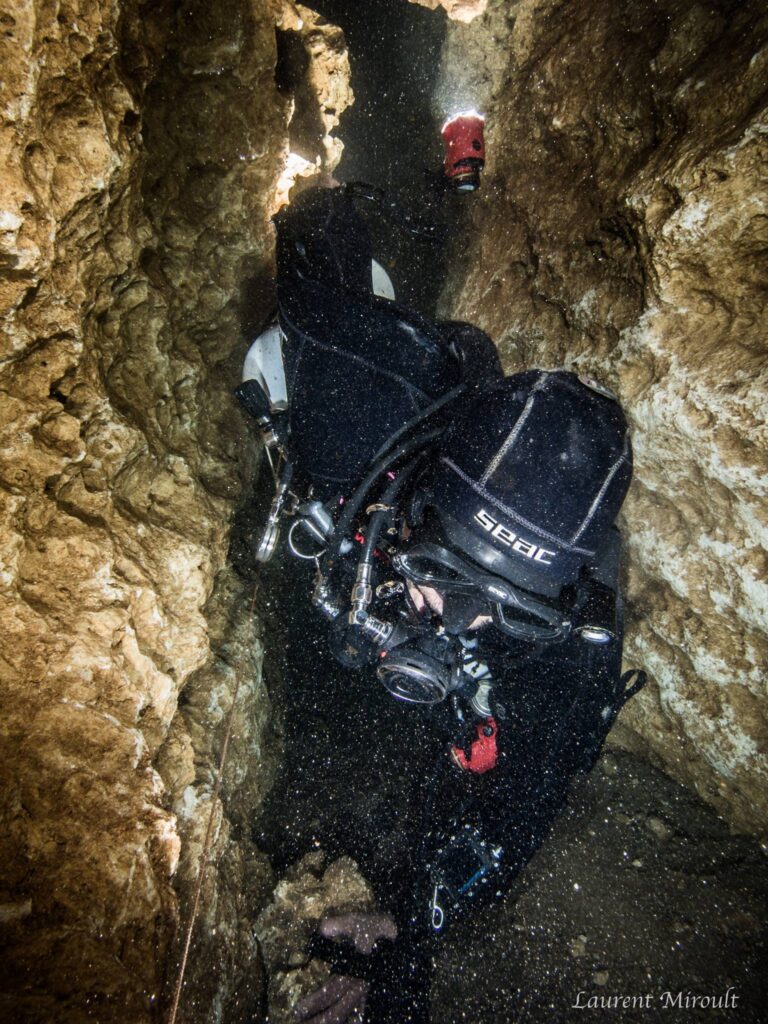
- After the second opening, a fissure section is encountered that is accessible only to sidemount divers.
- Just beyond the fissure lies a third opening.
The third opening has historically been accessed by backmount divers entering via private property without permission. Legal access requires landowner approval.
Interior Features
Approximately 100 feet beyond the fissure, the character of the cave changes significantly.
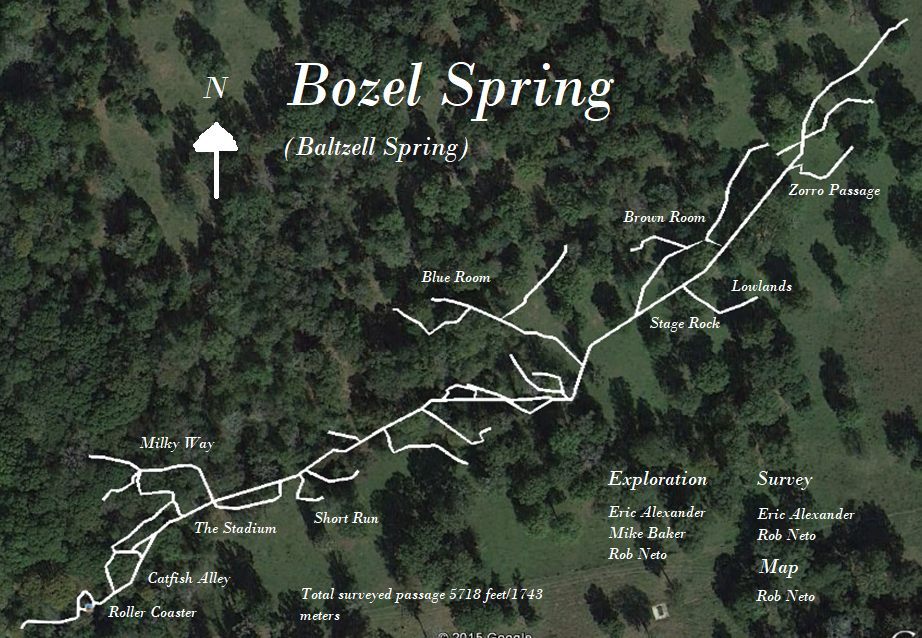
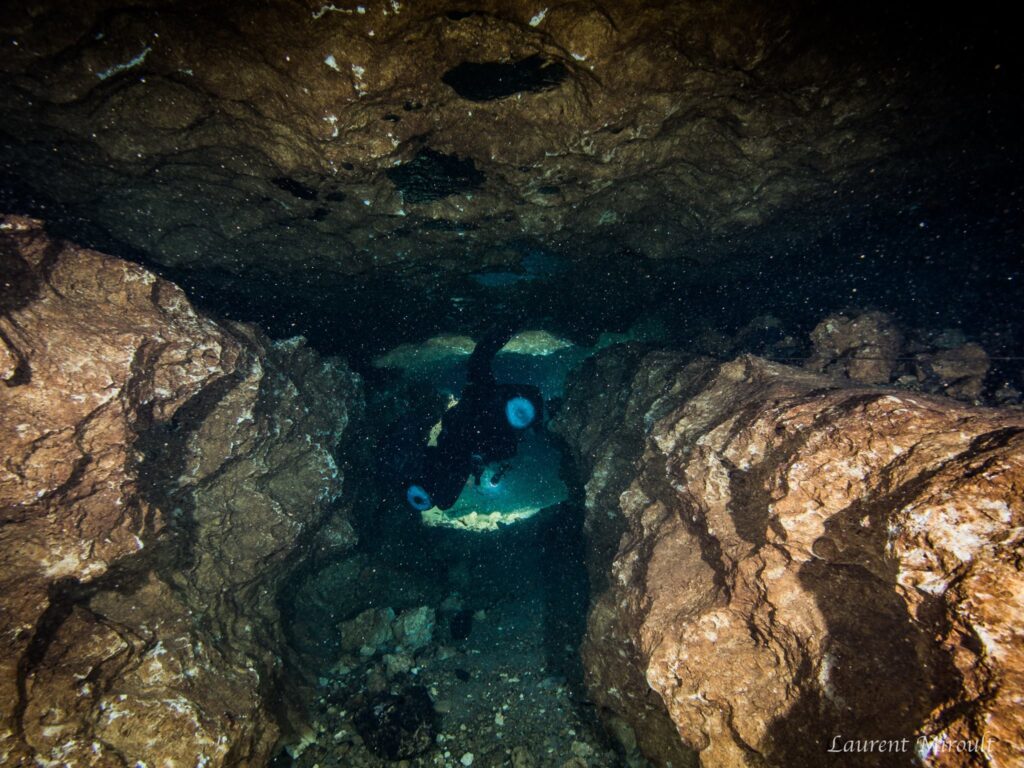
The passage deepens and opens into a large chamber known as the Stadium, named for its size and sloping floor profile.
The Stadium is characterized by:
- Expansive dimensions
- A sloping limestone floor
- Depth ranging from approximately 60 feet to 120 feet
The chamber represents one of the most visually distinctive features within the Chipola River spring systems.
Beyond this chamber, the cave continues in structured limestone passage.
Exploration History
An exploration project extended the surveyed passage of Bozel Spring from 2,571 feet to 5,718 feet.
The main line was advanced more than 200 feet beyond its prior terminus. Additional adjacent sections were discovered and documented during the project.
Two notable passage areas were identified and named during exploration efforts:
- The Blue Room
- The Brown Room
These names reflect visual characteristics observed during exploration.
Rob Neto
Eric Alexander
Mike Baker
Hydrological Characteristics
Bozel Spring discharges into the Chipola River system and reflects the hydrological behavior characteristic of Florida Panhandle karst springs.
Visibility varies significantly depending on regional river levels and seasonal rainfall conditions.
- Optimal conditions typically occur below 8 feet river stage.
- Heavy rainfall can rapidly reduce visibility.
- Flow conditions may change within hours during major weather events.
The system contains freshwater with varying particulate concentration depending on seasonal runoff and basin disturbance.
Cave Data
The first 300 feet of Bozel are much like a roller coaster ride. The passage varies in depth from 10 feet to 45 feet with a constant up and down. It also winds back and forth. You’re at the end of the Roller Coaster once you see the daylight from the second vent.
Shortly after the second vent, you’ll see the third vent. A few feet after that, you’ll be at the fissure restriction. If you’re diving backmounted cylinders, turn around. You won’t fit through the end of it. If you’re diving sidemount, be prepared to turn sideways.
On the other side of the fissure, you’ll arrive in Catfish Alley, so named because of a few of its residents. About 100 feet later, you’ll drop down and through a restriction into the beginning of the Stadium, a large room that will bring you from 60 feet of depth to 120 feet of depth almost immediately. At the bottom of the Stadium, you’ll encounter your first line intersection, a 4-way intersection at 120 feet of depth. The right side takes you along a bypass that will pop out a couple of hundred feet later. The left side takes you back to the Stadium.
The cave gets a little shallower where the right line pops back out into the main passage, but the flow also gets stronger. You’ll pass a few more line intersections before arriving at another fissure about 1000 feet from the opening that will once again require you to turn sideways to get through. On the other side of the fissure, you’ll find the jump to the Blue Room.
Current Status
- River conditions may rapidly affect visibility and flow.
- Some entrances are located near private property boundaries.
- Depth profiles vary significantly throughout the system.
- Several restrictive sections are accessible only to sidemount divers.
This system is discussed in The Hidden Rivers of Florida because of its importance to cave exploration and ground water research.
Learn about the bookFrequently Asked Questions
The spring is located about 1.25 miles upriver from the boat launch in Florida Caverns State Park in Marianna, Florida.
Trained and certified cave divers can dive the cave in sidemount configuration. Those in backmount configuration will only penetrate about 250 feet before having to turn back due to a restriction.
Yes, the section of the Chipola River between the nearest launch and the spring is one of the most picturesque sections along the river.
From the surface, the bottom of the spring opening that can be seen is about 25 feet deep. The maximum depth of the cave is 120 feet. The average depth before the Stadium is about 50 feet, while the average depth after the Stadium is about 95 feet.
The spring itself can be visited by anyone. The land surrounding it is private property, so visitors should remain on their kayaks or canoes or standing in the water.
The cave is an independent system that is not connected to any other springs.
Continue Exploring Florida’s Hidden Waters
If you enjoyed the information about this springs, you’ll love the free guide:
The 25 Most Notable Springs and Cave Systems in Florida
From world-famous destinations like Wakulla, Jackson Blue Spring, and Peacock Springs to lesser-known hidden gems, this guide introduces some of Florida’s most fascinating natural wonders.
Download your free copy and continue exploring beyond the surface.
Get the Free Guide →Nearby Springs
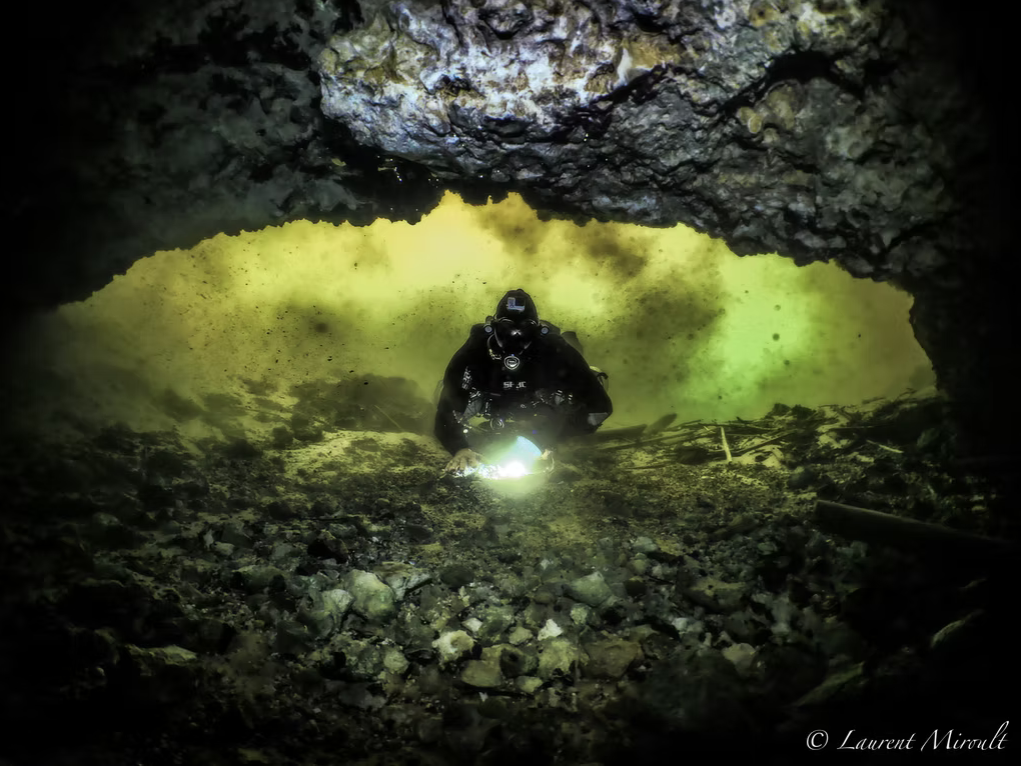
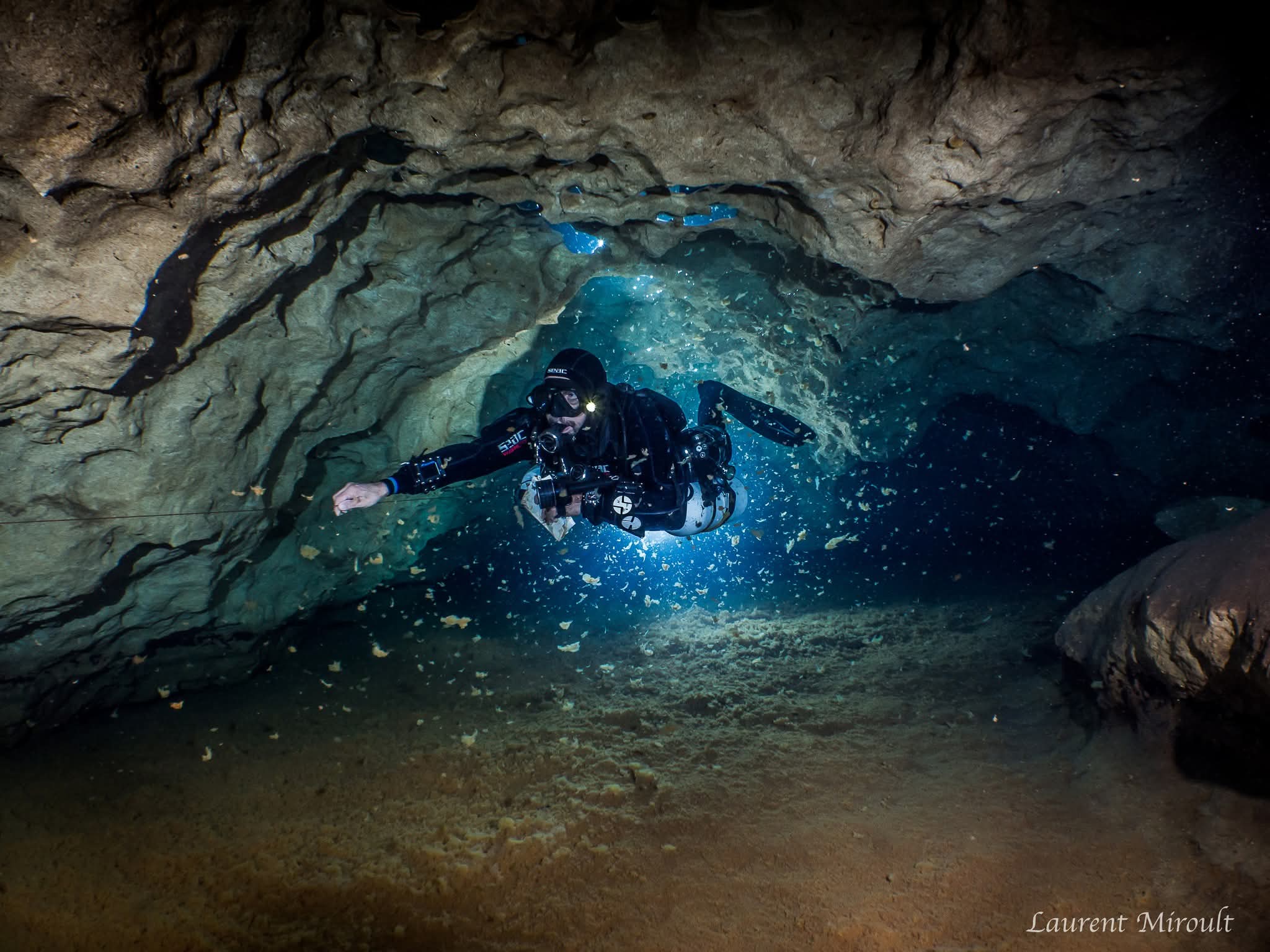
Photo Gallery
The following images were taken in Bozel/Baltzell Spring Cave System by Laurent Miroult.
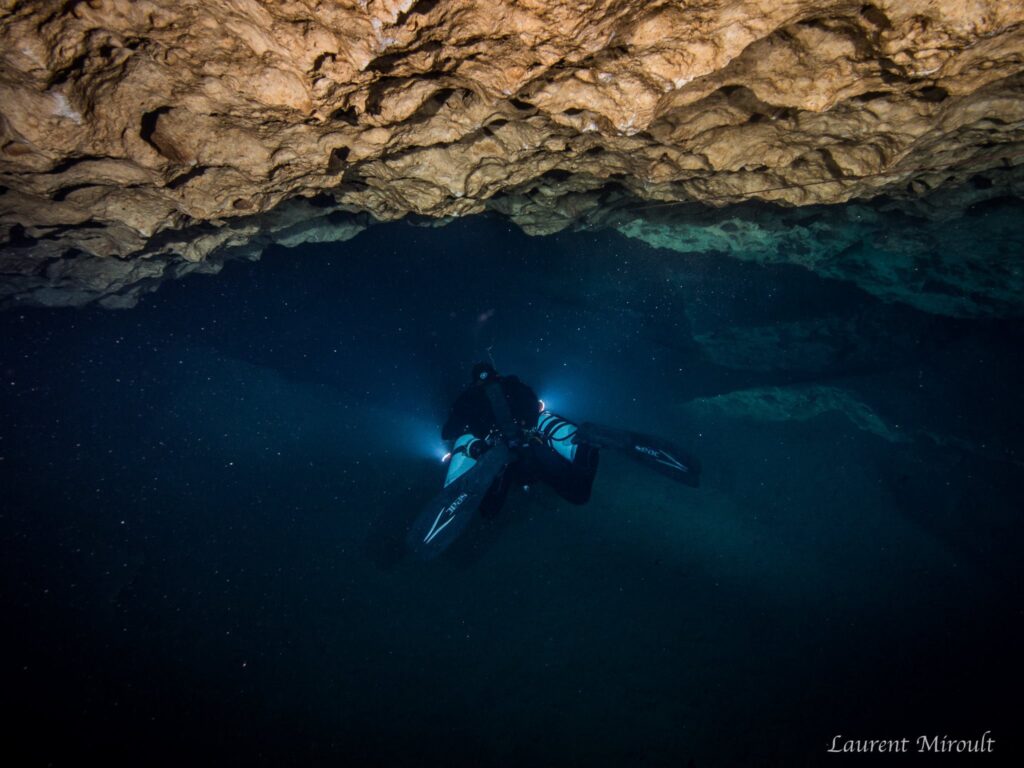
For more photos by Laurent Miroult, please visit cavediving.pictures