
Cypress Spring
Location: Washington County, Florida, United States
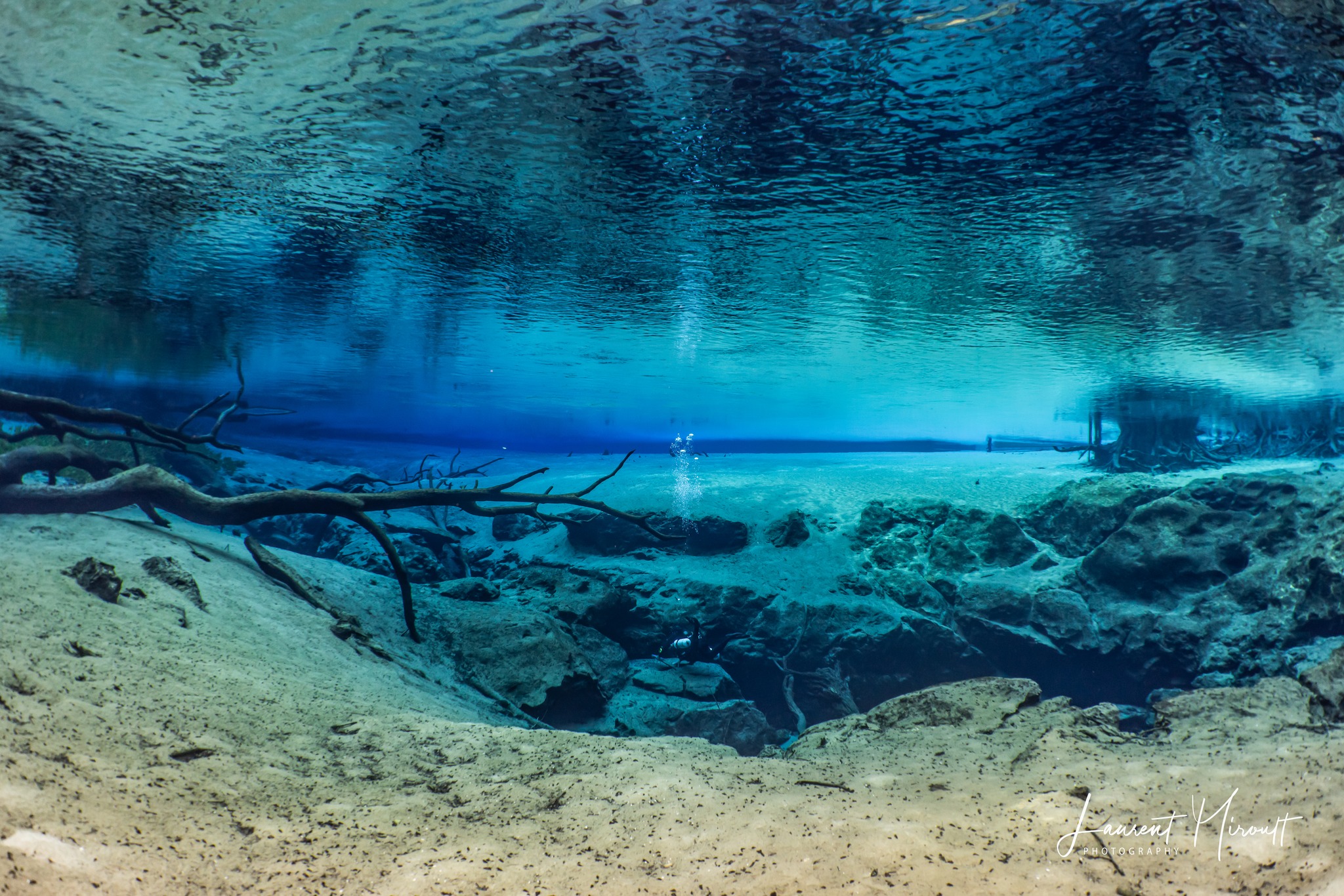
Cypress Spring is located on Holmes Creek near Vernon in Washington County, Florida, approximately 45 miles north of Panama City. Because the spring is surrounded by private property, it can only be reached by kayak, canoe, SUP, or small boat via Holmes Creek. Most visitors launch from Culpepper Landing or Cotton Landing before paddling to the spring. The spring’s clear discharge visibly merges with the tannic waters of Holmes Creek.
For decades, Cypress Spring was known for the natural beauty created by its towering cypress trees, shaded shoreline, and undeveloped setting. In recent months, shoreline modifications—including the removal of numerous trees and the installation of a boardwalk—have noticeably changed the appearance of the spring basin. While these improvements were reportedly intended to address erosion and provide safer access, many longtime visitors feel the changes have altered some of the wild character that made Cypress Spring such an iconic destination. Fortunately, the spring itself and its underwater cave system remain unchanged, and the crystal-clear water continues to make Cypress one of Florida’s most scenic spring basins.
FREE FLORIDA SPRINGS GUIDE
Want to discover more of Florida’s hidden waterways?
Download The 25 Most Notable Springs and Cave Systems in Florida and explore some of the state’s most remarkable spring basins, underwater cave systems, and hidden natural treasures.
✓ Featured springs throughout Florida
✓ Cave systems and exploration highlights
✓ Popular destinations and hidden gems
✓ Instant download
Cypress Spring can be reached by kayak, canoe, or paddleboard from the Culpepper Landing in Vernon, Florida. Depending on water levels and current conditions, paddlers can access the spring basin by following Holmes Creek north for about 10-15 minutes. The route is generally suitable for recreational paddlers, though conditions may vary throughout the year.
As you approach the spring, watch for changes in water color, clarity, and vegetation that often indicate groundwater entering the system. The spring run is to the left and easily identifiable through the confluence of the clear spring water with the tannic creek water. Paddlers may encounter limestone formations, submerged vents, native wildlife, and the clear blue water commonly associated with Florida’s spring systems. The spring provides a unique opportunity to observe the connection between Florida’s surface waterways and the hidden groundwater network flowing beneath the landscape.
Geological Context
Cypress Spring discharges from the Floridan Aquifer through limestone typical of the Holmes Creek basin.
Unlike some riverbank springs that open directly into steep-walled basins, Cypress features a shallow spring run before the basin widens. The spring water’s clarity contrasts sharply with the darker tannic waters of Holmes Creek.
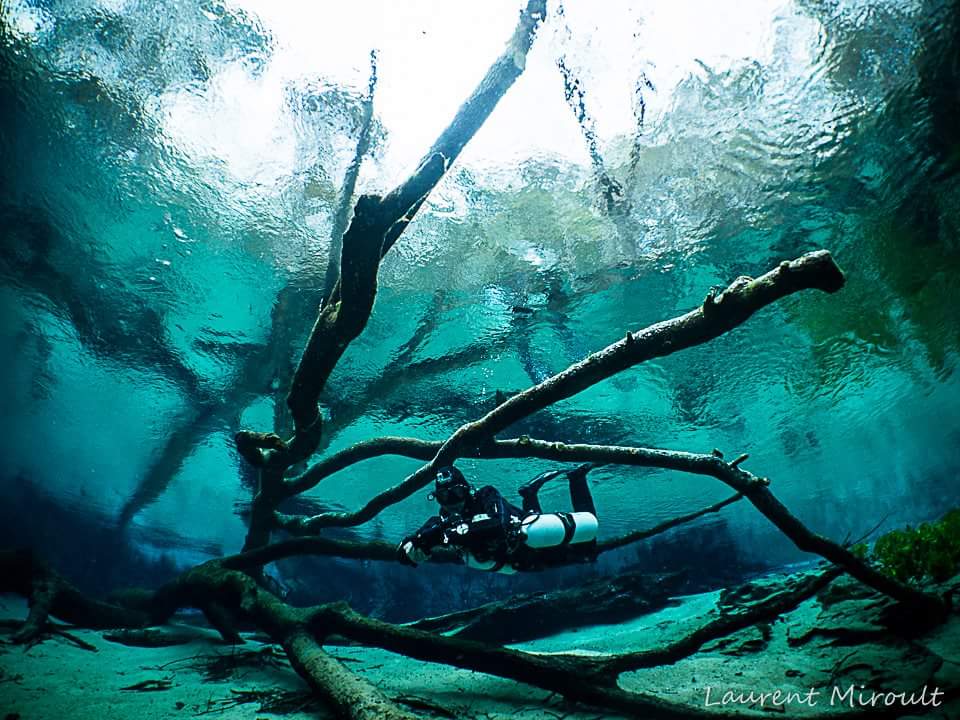
Several submerged cypress trees remain within the basin, adding distinctive submerged structure rarely seen in comparable spring environments.
Structure & Layout
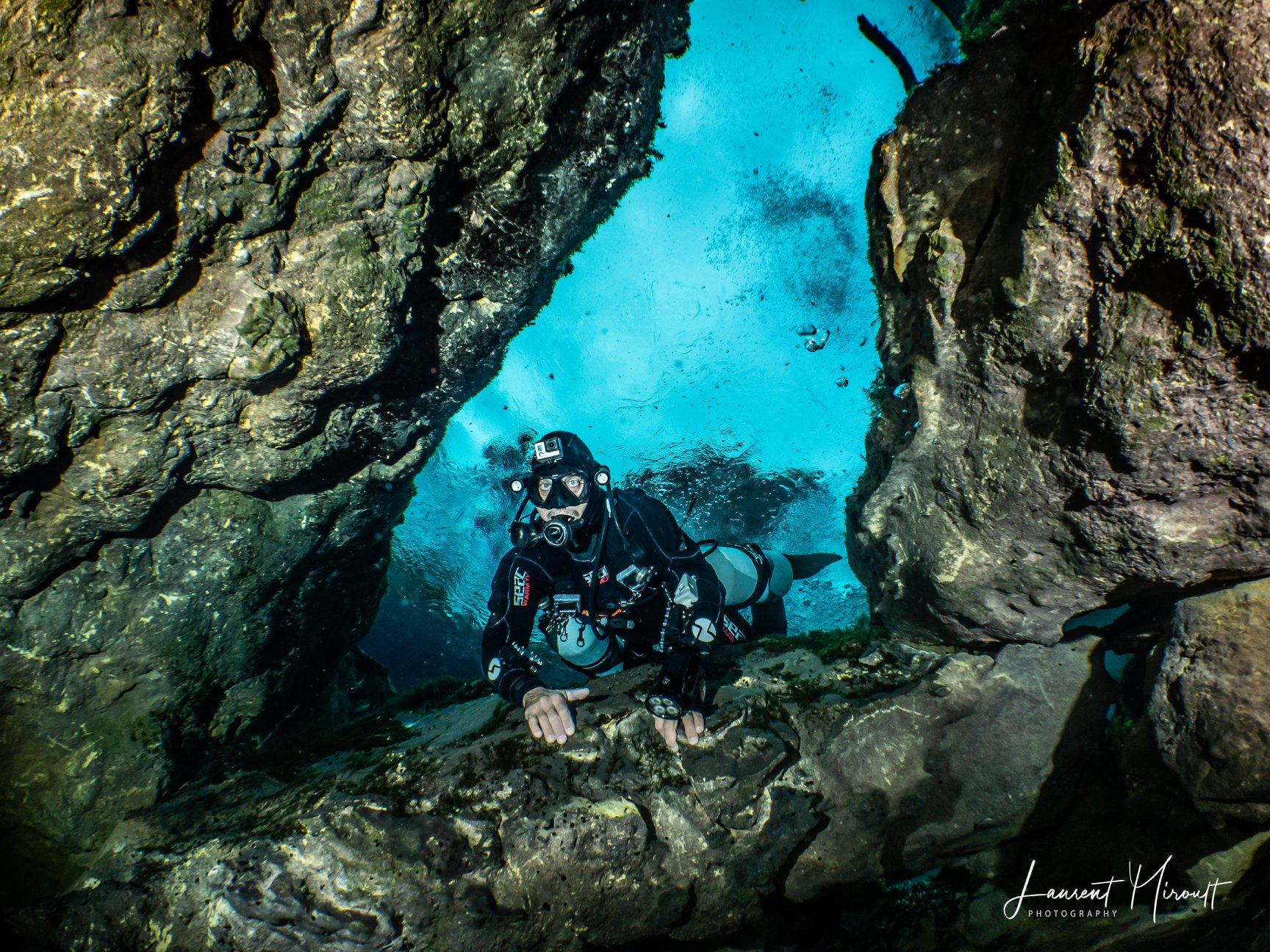
The cave entrance is small and located to the side of a narrow limestone crack in the basin floor. Entry requires descending against noticeable current and pulling into the opening.
Beyond the entrance, the passage expands modestly before continuing approximately 100 feet into the system. The cave reaches depths slightly greater than 60 feet before the passage becomes too restricted to continue further.
The system is relatively short compared to other regional caves but presents a forceful entry profile due to concentrated discharge through a compact opening.
Hydrological Characteristics
Cypress Spring exhibits strong discharge relative to its entrance size. The narrow opening accelerates flow, requiring controlled descent and deliberate positioning during entry.
River stage influences conditions at the basin level, but interior clarity typically remains stable once beyond the entrance zone.
The shallow basin and wide run create a visually dramatic mixing zone between spring water and creek water.
Environmental Changes
In recent months, shoreline alterations including tree removal and installation of structural features have modified the visual character of the spring basin. While these changes were reportedly intended to address erosion concerns, they have altered the natural appearance that historically defined the site.
The underwater cave structure itself remains unchanged.
Ecology
Cypress Spring supports a diverse freshwater ecosystem sustained by the constant discharge of cool, clear groundwater from the Floridan Aquifer. The spring’s stable water temperature and exceptional clarity create ideal conditions for a variety of aquatic plants and animals, many of which depend on healthy spring systems to survive.
Submerged aquatic vegetation, including eelgrass and other native species, helps stabilize sediments, oxygenate the water, and provide habitat for fish, turtles, crayfish, and countless aquatic invertebrates. Schools of a variety of fish and other freshwater species are commonly seen throughout the spring basin and spring run, while wading birds and other wildlife frequently forage along the banks of Holmes Creek during less populated times.
If you’re hoping to experience Cypress Spring without the crowds, launch from Culpepper Landing around 7:00 a.m. Early arrivals are often rewarded with an hour or more of quiet in the spring basin before other paddlers make their way into the spring run.
One of the most striking ecological features of Cypress Spring is the meeting of two distinct water types. Crystal-clear spring water flows into the tannin-stained waters of Holmes Creek, creating a sharp visual contrast and supporting habitats for species adapted to both spring-fed and blackwater environments.
Like many of Florida’s springs, Cypress Spring faces ongoing environmental pressures. Increased recreational use, nutrient enrichment, and changes in groundwater quantity have the potential to impact water quality and sensitive aquatic vegetation. Protecting the spring’s natural communities depends on responsible recreation, maintaining water quality within the Floridan Aquifer, and preserving the surrounding floodplain along Holmes Creek.
Exploration History
Cypress Spring has long been known as a visually distinctive spring system within Holmes Creek.
Due to its limited cave extent, exploration has primarily focused on documenting the short cave section beyond the entrance and observing the hydrological characteristics of the spring.
Cave Data
The highlight of this dive is the spring basin itself. This is one of the most beautiful springs in existence. The cypress trees that have fallen into the basin make it all the much more picturesque.
The opening to the cave is not in the deeper part of the basin, but rather to the side and only about 7 feet below the surface. You’ll know you’ve found it when you feel the force of the current pushing you toward the surface. The entry will require some finesse to push against the flow, but once inside, the size of the cavern allows for the force to ease up.
The cave is not extensive at all. At the far end, you will be outside of the daylight zone but only by a few feet. The depth is just over 60 feet. There are a couple of small nooks you can peek into, but otherwise, there’s not much to it. Your time is better spent exploring the spring basin in open water.
Current Status
- Broad scenic basin
- Strong entrance flow
- Offset cave opening
- Submerged cypress trees
- Shallow but defined cave section
The Hidden Rivers of Florida documents the springs, rivers, sinkholes, caves, and groundwater systems that shape Florida’s landscape. Through exploration, photography, research, and firsthand observation, the project seeks to connect visitors with the hidden waterways flowing beneath the state.
Frequently Asked Questions
The spring is located a short paddle north of Culpepper Landing in Vernon, Florida.
The basin is one of the most beautiful spring basins in the world and can be enjoyed by recreational divers. The cave should only be visited by trained and certified cavern divers.
Yes, it’s just a short paddled up from Culpepper Landing in Vernon, Florida.
The basin is about 25 feet deep at the center. The cave reaches a maximum depth of just over 60 feet.
The spring itself can be visited by anyone. The land surrounding it is private property, so visitors should remain on their kayaks or canoes or standing in the water.
Continue Exploring Florida’s Hidden Waters
If you enjoyed the information about this springs, you’ll love the free guide:
The 25 Most Notable Springs and Cave Systems in Florida
From world-famous destinations like Wakulla, Jackson Blue Spring, and Peacock Springs to lesser-known hidden gems, this guide introduces some of Florida’s most fascinating natural wonders.
Download your free copy and continue exploring beyond the surface.
Get the Free Guide →Nearby Springs
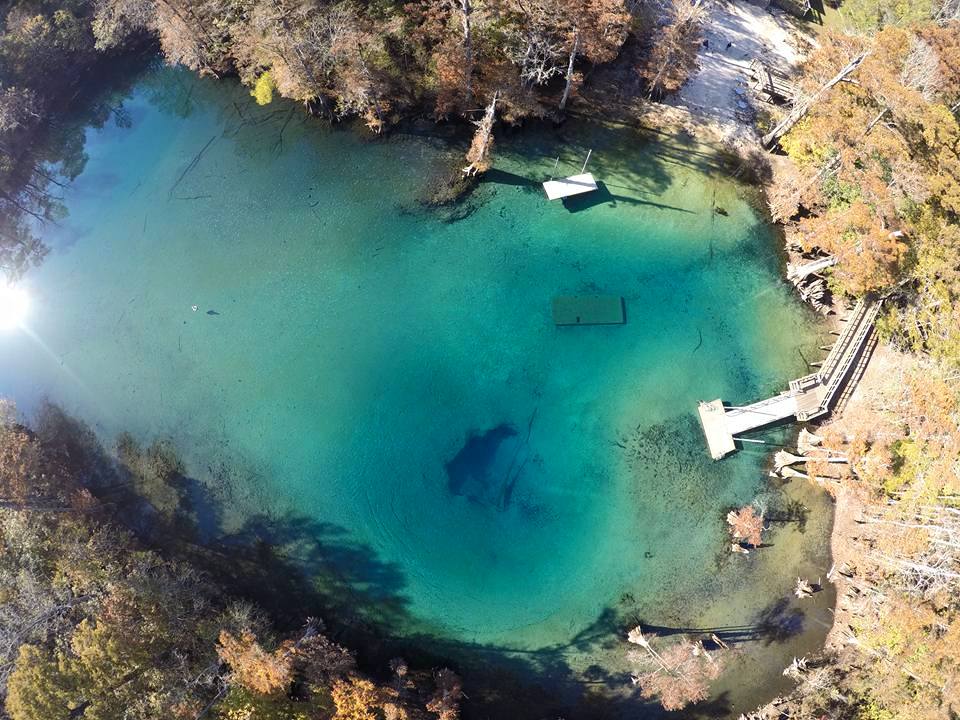
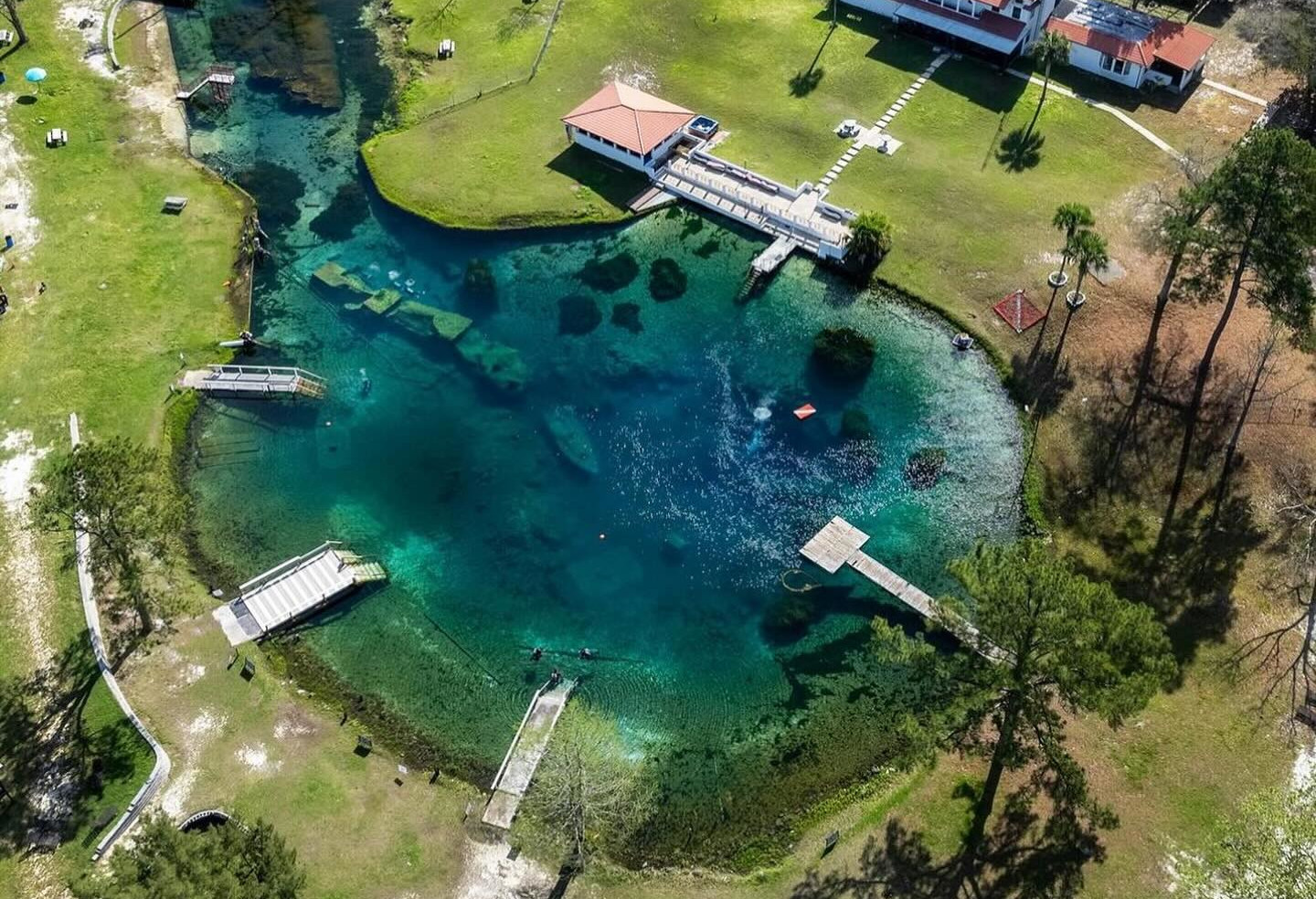
Photo Gallery
Cypress Spring is considered one of Florida’s most photogenic springs. The contrast between the clear spring water and the tannic waters of Holmes Creek, combined with submerged cypress trees and white limestone, creates exceptional conditions for underwater and topside photography. Visibility is often best during periods of low rainfall.
The following images were taken in Cypress Spring basin and cave system by Laurent Miroult.
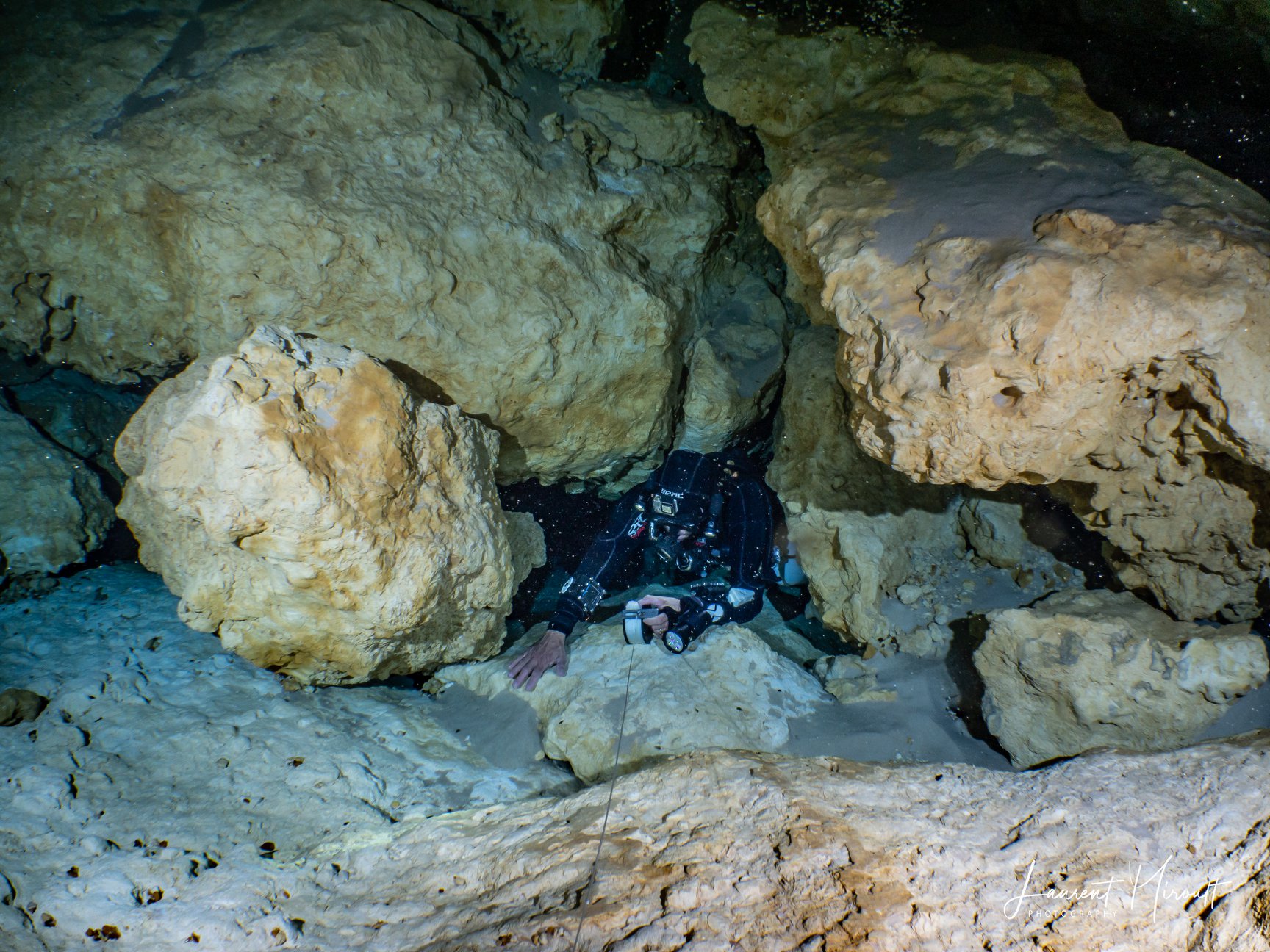
For more photos by Laurent Miroult, please visit cavediving.pictures