
Vortex Spring
Location: Holmes County, Florida, United States
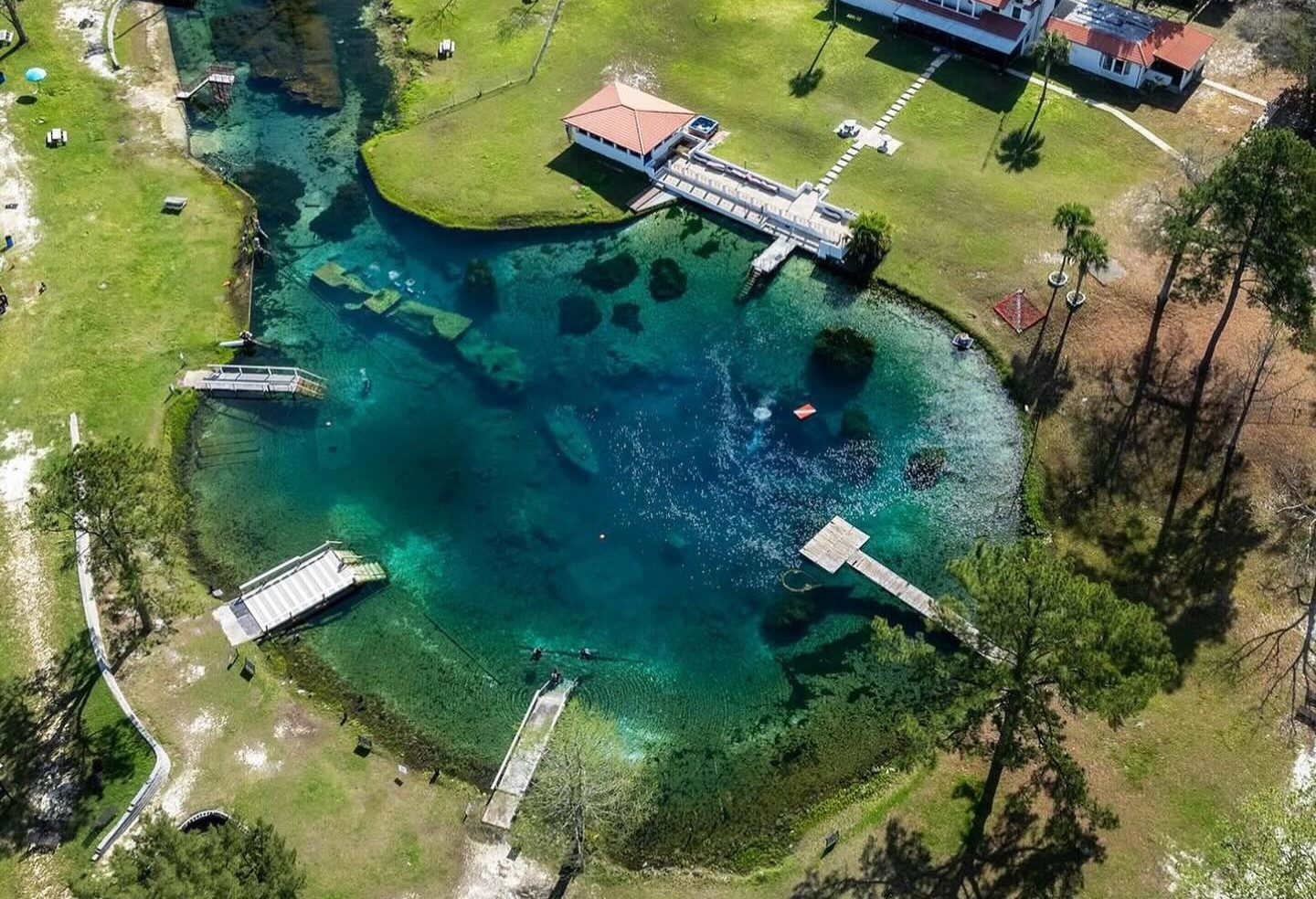
Beneath the clear spring basin is an underwater cave system that drops well below recreational diving depths. The cave, the history of diving at Vortex, and the disappearance of diver Ben McDaniel in 2010 have made Vortex Spring one of the most recognizable cave diving sites in Florida. Today, Vortex Spring remains a commercial dive park where divers, swimmers, and visitors come to experience the spring and its surrounding property.
Vortex Spring is known as the last confirmed location of diver Ben McDaniel in 2010..
FREE FLORIDA SPRINGS GUIDE
Want to discover more of Florida’s hidden waterways?
Download The 25 Most Notable Springs and Cave Systems in Florida and explore some of the state’s most remarkable spring basins, underwater cave systems, and hidden natural treasures.
✓ Featured springs throughout Florida
✓ Cave systems and exploration highlights
✓ Popular destinations and hidden gems
✓ Instant download
Vortex Spring is a privately operated spring and recreation area near Ponce de Leon in Holmes County. The property offers swimming, snorkeling, diving, camping, lodging, and other outdoor activities on approximately 520 acres. The spring water remains about 68°F year-round.
Location
Vortex Spring Adventures
1517 Vortex Springs Lane
Ponce de Leon, FL 32455
Hours of operation change seasonally, so check their website or social media posts for updates.
Before You Visit
Vortex Spring is an active commercial recreation and diving facility, so visitors should check the current rules, admission prices, diving requirements, and operating hours before making a trip. The park’s current information is available through Vortex Spring Adventures
Geological Context
Vortex Spring is part of the karst landscape of the Florida Panhandle, where groundwater moves through the porous limestone of the Floridan Aquifer. Over long periods of time, slightly acidic groundwater dissolves portions of the limestone, enlarging fractures and creating underground conduits, chambers, and caves.
At Vortex, groundwater emerges into a large spring basin before continuing downstream. The cave system beneath the basin provides a direct window into the underground drainage network responsible for carrying groundwater through the limestone.
The relationship between the spring basin and the cave is particularly easy to appreciate at Vortex. The open water at the surface gives way to a cavern and then to increasingly restricted underwater passage.
Florida’s karst landscape formed through this long process of limestone dissolution, with springs, sinkholes, and caves representing different expressions of the same underlying geological system.
Structure & Layout
The Vortex Spring cave begins beneath the spring basin. The basin drops to approximately 25 feet before reaching the chimney, which descends to the cave opening at approximately 50 feet. From the cave opening, the passage continues for roughly 300 feet to the Piano Room, where an iron grate restricts access to the deeper cave. The grate is approximately 105 feet deep.
Daylight is lost approximately 100 feet from the cave opening. Beyond that point, divers are in a true cave environment rather than a cavern environment. The passage continues through the Piano Room and beyond the grate into the deeper system. Access beyond the grate requires full cave diving certification.

Did You Know?
The creator of the internationally recognized Diver Down Flag, Doc Dockery, developed Vortex Spring into one of America’s best-known dive parks.
Diving History
Vortex Spring was purchased several decades ago by Doc Dockery, creator of the red and white diver-down flag. Under his ownership, the property was developed into a dedicated scuba diving park and training facility.
Over the years, Vortex became a major training and recreational diving location in North Florida.
Although ownership has since changed, the spring continues to operate as a diving park.
In 1991, following multiple open water diver fatalities within the cave, a metal grate was installed approximately 300 feet inside the system. The installation was implemented as a safety measure to restrict unauthorized entry into the deeper cave passage. Following the placement of the grate, the site experienced a prolonged period without cave-related fatalities.
Ben McDaniel Disappearance
On August 18, 2010, 30-year-old diver Ben McDaniel was last seen at Vortex Spring before disappearing. Extensive search efforts were conducted, including cave diver involvement. Despite these efforts, his body was never recovered. The event drew national attention and remains one of the most widely known unsolved incidents in Florida cave diving history.
The circumstances surrounding the disappearance led to an extensive search involving numerous experienced cave divers. Searches extended deep into the cave system, but no conclusive evidence of what happened to McDaniel was found.
I met Ben at Vortex Spring about six weeks before he disappeared. At the time, there was nothing about that meeting that suggested I would later be involved in the search for him.
On August 20, two days after Ben was last seen, I received a call asking me to join the team going into the cave to look for him. My teammate and I entered the cave and made our way to the fourth restriction. At that point, the passage became too small for a person to fit through. While we were at the fourth restriction, two other members of the team checked the two offshoot tunnels in the cave, but Ben wasn’t there.
That experience has stayed with me. Not simply because of the mystery surrounding Ben’s disappearance, but because it demonstrated how difficult it can be to search an underwater cave system. A cave that may appear relatively straightforward from the outside can contain restrictions, side passages, and areas that make a complete search extremely difficult.
More than a decade later, Ben has still not been found. His disappearance ultimately became the inspiration for my thriller Beyond the Grate. The novel is fiction, but it explores one possible explanation for how someone could disappear from a place like Vortex Spring without leaving an obvious trace.
Read more about Beyond the Grate →
Amazon
Available on Kindle Unlimited!
Buy Direct – Signed Copies Available
Free Shipping in the US | Bundle discounts available
Cultural & Regional Significance
Vortex Spring represents one of the most recognizable diving sites in the Florida Panhandle.
- Recreational accessibility
- Cave history
- Safety evolution
- Public attention
Its notable features make it distinct among Florida spring systems.
Vortex Spring is one chapter in Florida’s remarkable underwater world. Explore the cave systems that shaped cave diving in the Florida Panhandle:
- Jackson Blue Spring – the Florida panhandle’s most popular spring for cave diving
- Morrison Spring – A favorite among open water and cavern divers
- Cypress Spring – Crystal-clear water in one of the most beautiful springs
- Hole in the Wall Cave System – One of Merritt’s Mill Pond’s hidden passages
- Maps of the Cave Systems in the Florida Panhandle – See how these systems compare
Cave Data
Vortex Spring offers a wide range of diving opportunities, from open water diving in the spring basin to cavern and cave diving for appropriately trained divers.
The spring basin reaches approximately 25 feet of depth, making it a popular location for training and recreational diving. The chimney leading to the cave opening reaches a depth of approximately 50 feet. The cavern extends approximately 100 feet before daylight is lost and divers find themselves in a true cave environment. The cave extends another 200 feet horizontally to the iron grate located at about 105 feet of depth. Access beyond the grate requires full cave certification.
Located in the spring basin are a couple of metal caverns placed there by the Army Corps of Engineers many decades ago. They offer a man-made glimpse at what a cavern dive is like for those that are not trained to dive overhead environments. There is also an air box in the basin next to one of the artificial caverns. While the air in it is supposed to be refreshed each morning, the oxygen content in it decreases as more divers explore this feature.
For open water divers, the most important feature of Vortex is also the easiest to overlook. The cave is directly beneath the spring basin. The transition from open water to overhead environment is obvious to a trained cave diver but should never be treated as an extension of a recreational dive. The current Vortex Spring rules require divers to show certification or be under instructor supervision, and cavern or cave entry requires the appropriate certification.
Vortex is one of those springs where timing can make a dramatic difference in the dive. On a quiet weekday, the basin can be exceptionally clear. During busy summer weekends, however, several dive shops and instructors may be conducting training dives at the same time. The activity stirs the sediment and can change the character of the basin considerably.
I’ve seen the difference firsthand.
The cave itself has a very different character from the open basin. Once inside, the passage becomes lower and silty, and maintaining good buoyancy and trim becomes particularly important. The deeper portions of the cave also introduce substantially different depth and gas management considerations than the recreational diving area.
Visibility is generally good during the week and during the colder months. In the spring and summer on weekends, several dive shops and instructors from around the area and surrounding states conduct training dives and that tends to stir up the sediment enough to diminish the visibility.
The cave opening is at the bottom of a chimney located in one corner of the spring basin. If you’re lucky, you might see some freshwater eel swimming at the bottom of the chimney in and out of holes in the limestone. There’s a grim reaper sign just inside the overhead warning untrained divers to keep out. If you are trained, the cave continues to the right of the sign through a silty passage back to the Piano Room, a large room at 95 feet of depth.
The Piano Room contains an air box, like the one in the basin. There is also a grate at the far back right that continues deeper into the cave. There is a padlock on the grate to prevent untrained divers who decide to venture into the cave despite warnings from going farther. The key to the lock can be signed out from the dive shop by certified cave divers.
If you are a certified cave diver, the cave is low and silty. It can be done in backmount configuration. The restrictions listed on the map are all large enough except for the fourth restriction, which is the end of the divable cave, anyway. The cave gets to depths exceeding 150 feet, so bring Trimix.
Current Status
- Continues to operate as a commercial dive park.
- Grate remains in place, restricting access to deeper cave passage.
- The spring is open for swimming, recreational diving, training, and appropriately certified cavern and cave diving. Current park rules require divers to register and show appropriate certification, and cavern or cave entry is restricted to divers with the required training.
- The spring remains approximately 68°F year-round, and the property continues to offer swimming, diving, camping, lodging, and other recreational activities.
Continue Exploring Florida’s Hidden Waters
If you enjoyed the information about this springs, you’ll love the free guide:
The 25 Most Notable Springs and Cave Systems in Florida
From world-famous destinations like Wakulla, Jackson Blue Spring, and Peacock Springs to lesser-known hidden gems, this guide introduces some of Florida’s most fascinating natural wonders.
Download your free copy and continue exploring beyond the surface.
Get the Free Guide →Frequently Asked Questions
Yes. The underwater cave begins at the bottom of the chimney located at the southeast corner of the basin. The passage extends 300 feet to the Piano Room, where an iron grate restricts access to the deeper cave. Daylight is lost about 100 feet from the cave opening, placing the remainder of the passage in the cave zone. The Piano Room is well beyond the daylight zone and should only be visited by appropriately trained cave divers.
The cave reaches a maximum depth of 160 feet beyond the grate. The maximum depth at the grate is 105 feet.
Recreational divers should not enter the overhead portion of Vortex Spring. The cave contains low, silty passages where visibility can deteriorate rapidly, and overhead environments require specialized training and procedures that are outside the scope of recreational scuba certification. Recreational divers should remain within their training limits and not go beyond the warning sign placed at the bottom of the chimney.
The Vortex cave system extends about 1400 feet beyond the opening located at the bottom of the chimney. The Piano Room and the iron grate are approximately 300 feet from the cave opening. The fourth restriction, where the passage becomes too small for anyone to be able to penetrate farther, marks the end of the divable passage.
A cave diving certification from a recognized training organization is required to sign out the key to the grate.
Ben McDaniel was a scuba diver who had been spending a lot of time diving Vortex Spring. He was last seen entering the basin on an August summer evening in 2010. Two days later, a staff member noticed his SUV was on the property, but there was no sign of Ben. Authorities were notified and extensive searches were conducted, but Ben was never found.
Vortex Spring remains 68F year-round.
Vortex Spring Adventures is located north of Ponce de Leon, Florida off of highway 81. There is a billboard at the intersection of 81 and Vortex Spring Lane.
Continue the Adventure
The exploration of Vortex Spring, and especially the events surrounding Ben McDaniel’s disappearance, became part of a much larger story.
The Hidden Rivers of Florida: Discoveries explores the springs, caves, and underwater landscapes that shaped Rob Neto’s years of exploration in Florida.
And if you’re interested specifically in the mystery surrounding Vortex Spring, Beyond the Grate takes that real-world event and explores one possible fictional explanation for what happened.
Explore the real-world exploration → The Hidden Rivers of Florida: Discoveries
Amazon | Audible
Available on Kindle Unlimited!
Buy Direct – Signed Copies Available
Free Shipping in the US | Bundle discounts available
Read the fictional thriller inspired by Vortex Spring → Beyond the Grate
Amazon
Available on Kindle Unlimited!
Buy Direct – Signed Copies Available
Free Shipping in the US | Bundle discounts available
Explore Nearby Springs
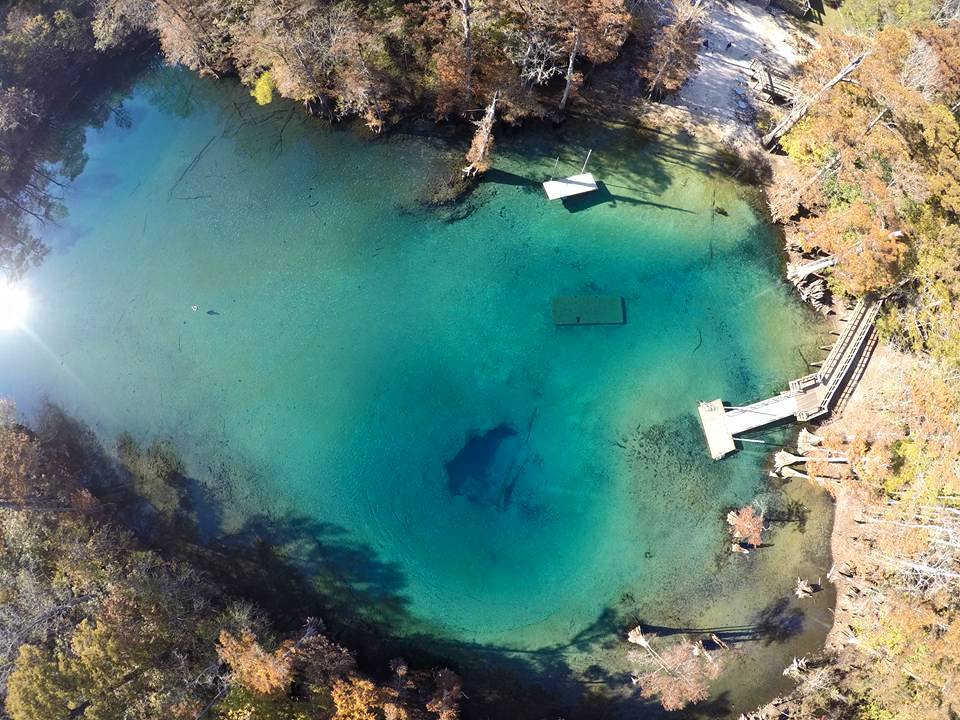
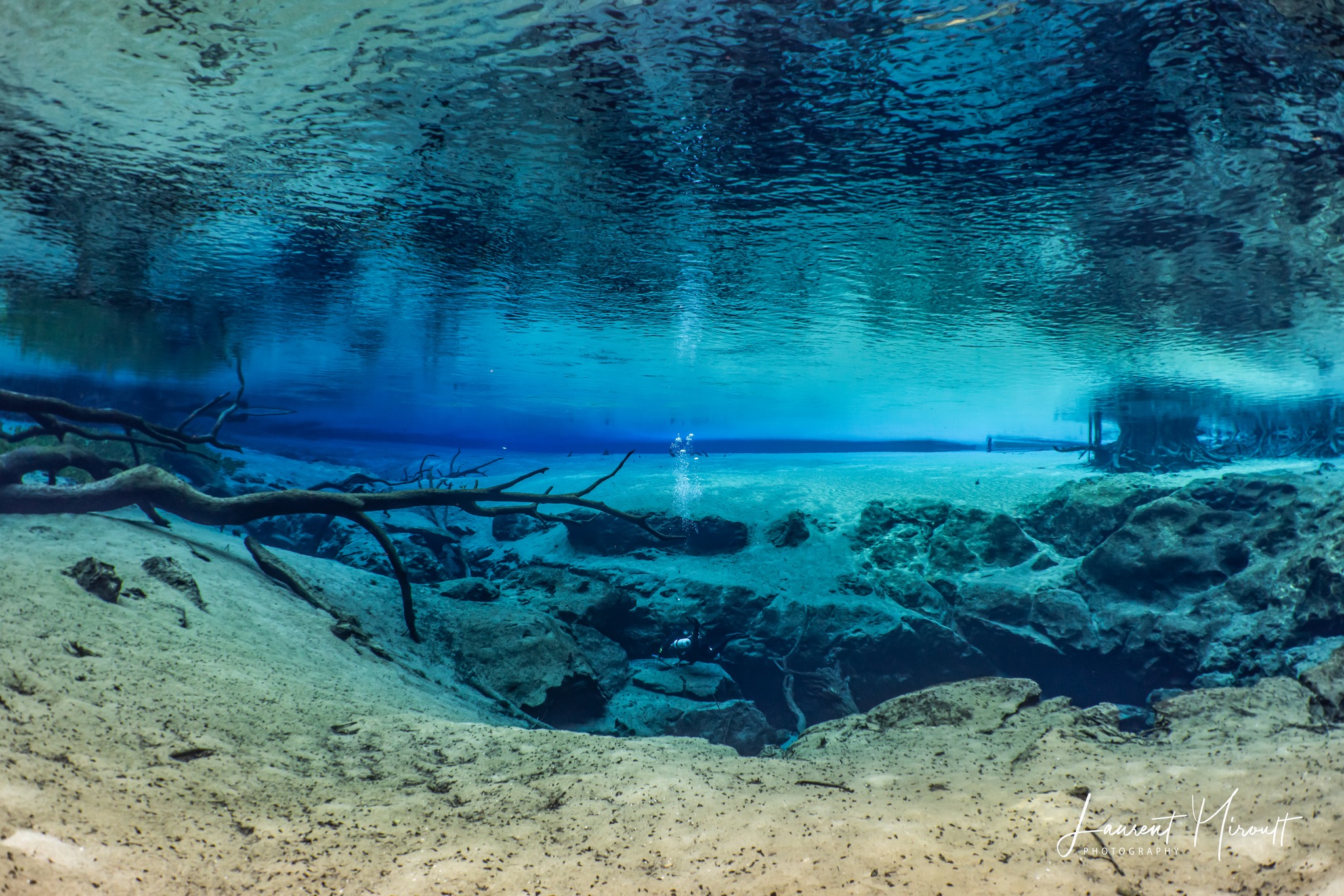
Photo Gallery
Coming soon