
Judge’s Spring | Skipper Cave
Location: Washington County, Florida, United States
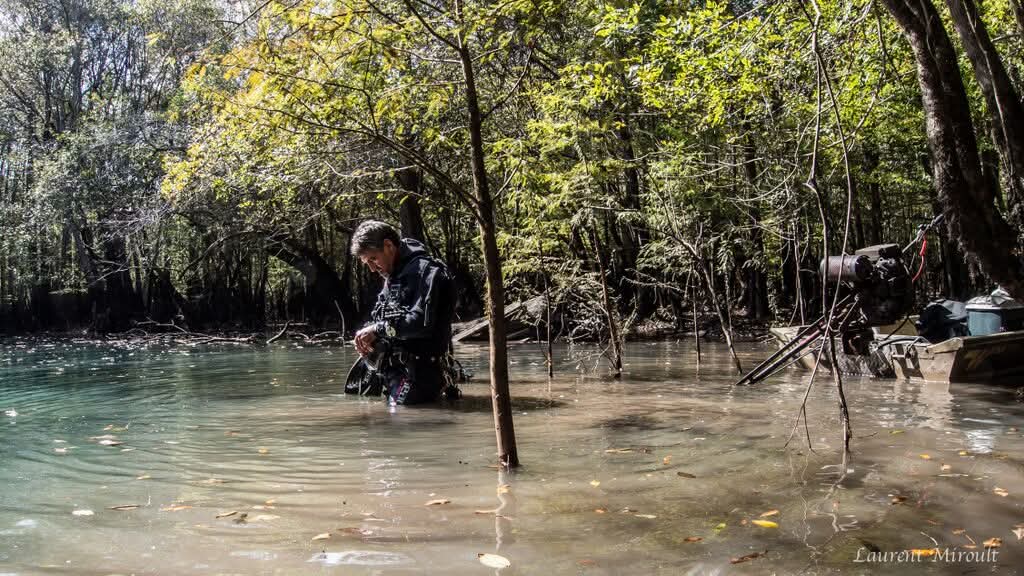
The spring lies at the end of a small branch in a shallow basin. Surface visibility in the basin is often limited due to tannic water, making the cave opening difficult to identify from above.
The system contains a moderately sized entrance, a small cavern zone, and multiple interior passage types with distinct characteristics.
FREE FLORIDA SPRINGS GUIDE
Want to discover more of Florida’s hidden waterways?
Download The 25 Most Notable Springs and Cave Systems in Florida and explore some of the state’s most remarkable spring basins, underwater cave systems, and hidden natural treasures.
✓ Featured springs throughout Florida
✓ Cave systems and exploration highlights
✓ Popular destinations and hidden gems
✓ Instant download
Judge’s Spring can be reached by kayak, canoe, or paddleboard from the boat launch at the end of River Road west of New Hope, Florida. Depending on water levels and current conditions, paddlers can access the spring basin by following Holmes Creek north. Once you pass Hidden Springs, head west and then northwest until you encounter a branch heading due west. The spring is located in the basin at the end of this branch. The route is generally suitable for recreational paddlers, though conditions may vary throughout the year.
As you approach the spring, watch for changes in water color, clarity, and vegetation that often indicate groundwater entering the system. Holmes Creek is typically tannic and the spring is not visible from the surface unless the water level is very low. Paddlers may encounter limestone formations, submerged vents, native wildlife, and the clear blue water commonly associated with Florida’s spring systems. The spring provides a unique opportunity to observe the connection between Florida’s surface waterways and the hidden groundwater network flowing beneath the landscape.
Geological Context
Judge’s Spring discharges from Florida’s karst limestone into a small basin connected to Holmes Creek.
The basin frequently contains tannic or murky water, reducing surface visibility. An old wooden dock remains submerged near the shoreline, indicating prior surface activity at the site. The dock has several nails protruding from it, so caution should be used when in close proximity to it.
The limestone structure reflects typical Holmes Creek characteristics, with varied passage morphology and sediment-sensitive sections.
Structure & Layout
Judge’s Spring contains three distinct interior areas, each with different structural characteristics.
The main passage continues straight for several hundred feet before gradually decreasing in size farther from the entrance.
Two primary offshoot passages branch from the main line.
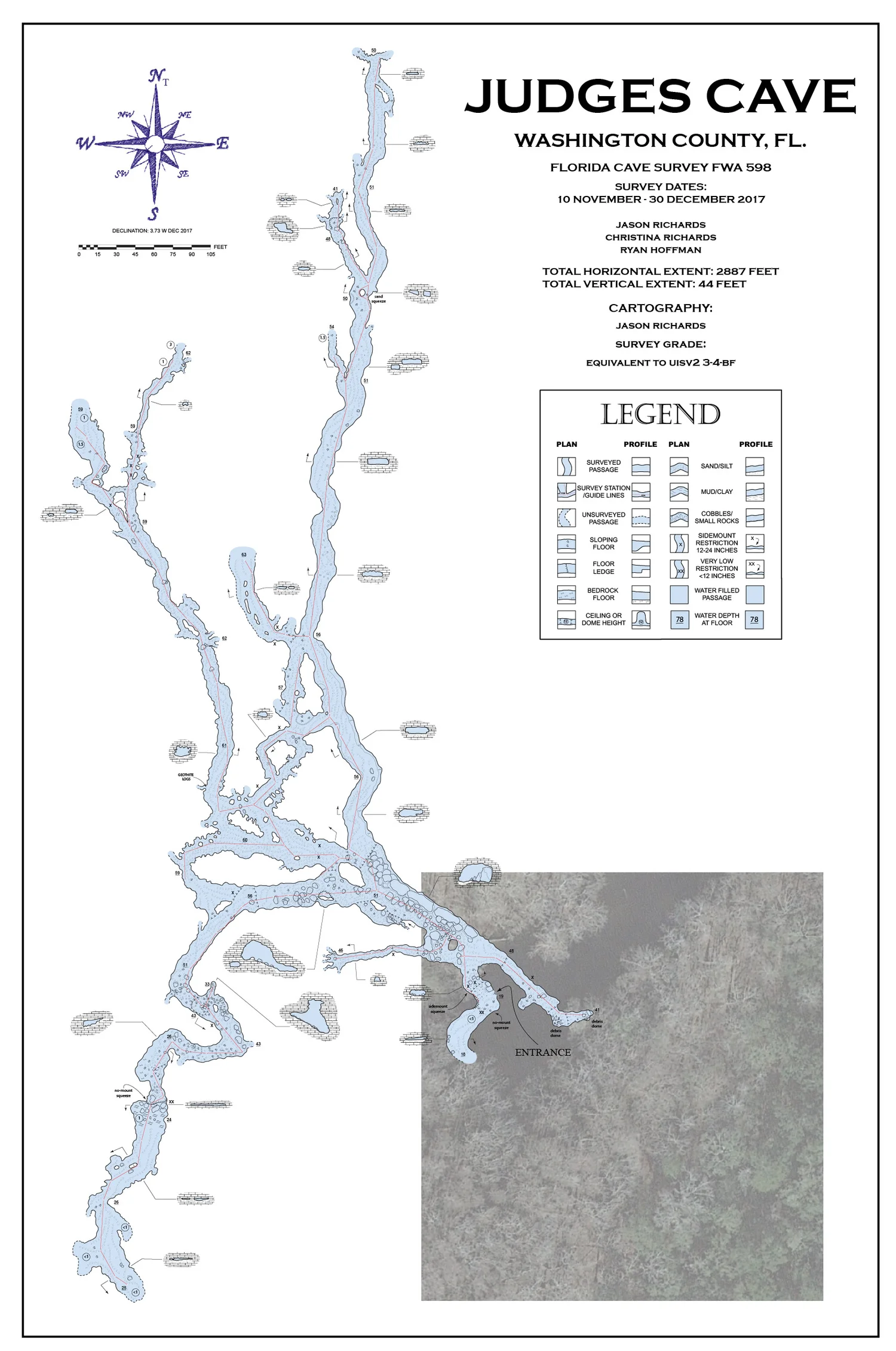
- First one – leads into a moderately sized corridor that slopes upward to approximately 10 feet of depth. Near the end of this passage, an additional continuation was identified and extended.
- Second one – leads into a deeper, silty maze of tunnels that progressively narrow and branch.
The silty maze section is particularly sensitive to disturbance and requires careful propulsion to maintain visibility.
Hydrological Characteristics
Judge’s Spring exhibits moderate discharge typical of Holmes Creek systems.
Water clarity at the surface is often tannic and limited, though interior visibility stabilizes beyond the entrance zone.
Flow is manageable within the primary passages but may concentrate in narrower sections of the maze.
Exploration & Line Extensions
In the mid-2010s, extensions were made to both primary offshoot passages. Additional line was placed in the upward-sloping corridor beyond the previously documented terminus. Within the deeper maze section, one of the branching tunnels was extended and documented, clarifying the layout of that portion of the system. These efforts improved understanding of the cave’s internal branching complexity.
In the mid-2010s, Jason Richards surveyed and published a map of this cave.
Portions of this cave system were explored and surveyed during cave dives conducted by Rob Neto while documenting Florida’s underwater cave systems for the book The Hidden Rivers of Florida.
Like Hidden Spring | Bone Cave, this cave is not easy to find. The opening is usually hidden beneath a layer of tannic creek water and not visible from the surface. Unlike HS | BC, Judge’s Spring | Skipper Cave is located at the end of a spring run in a spring basin. It’s just not easy to tell if you’re in the right place.
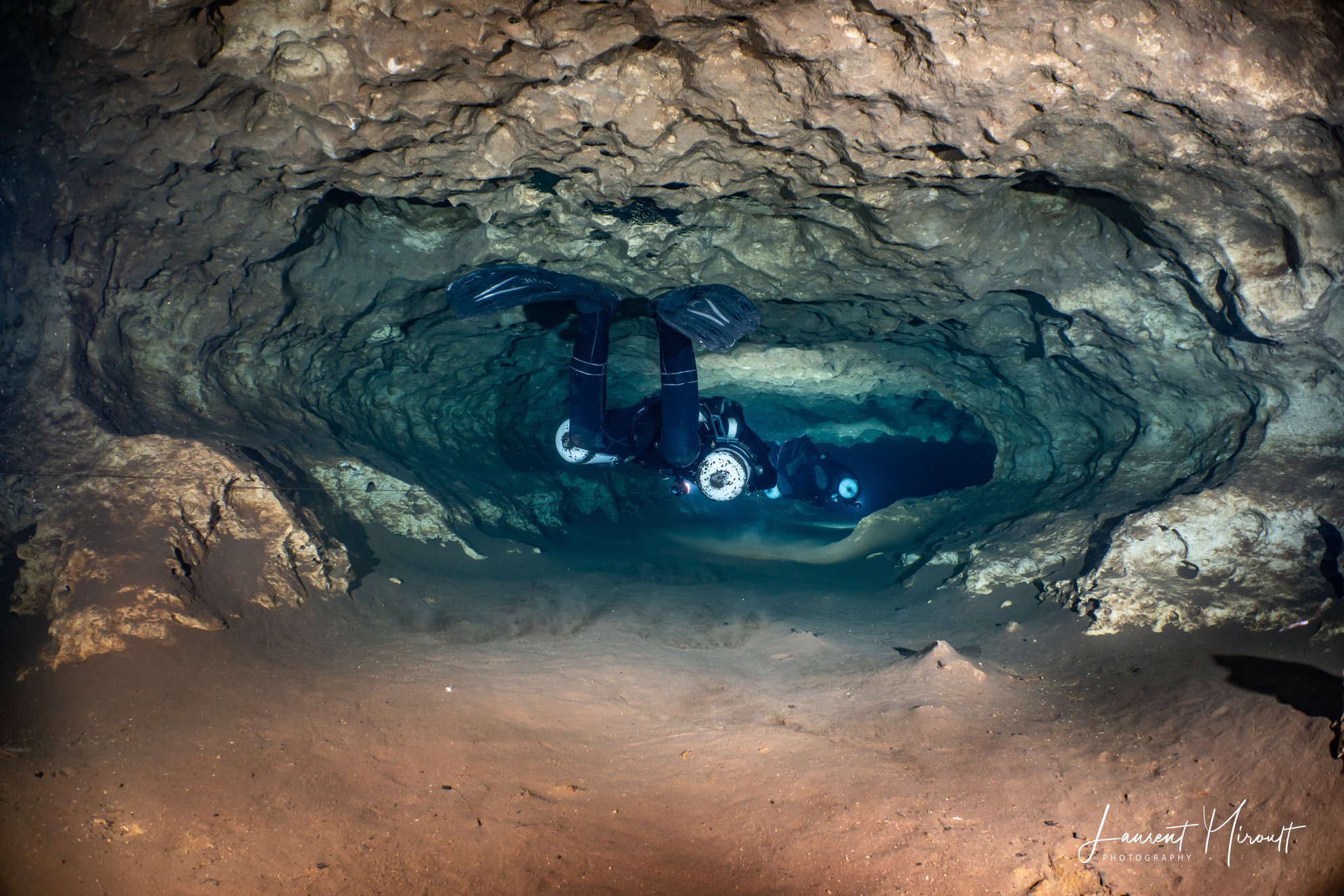
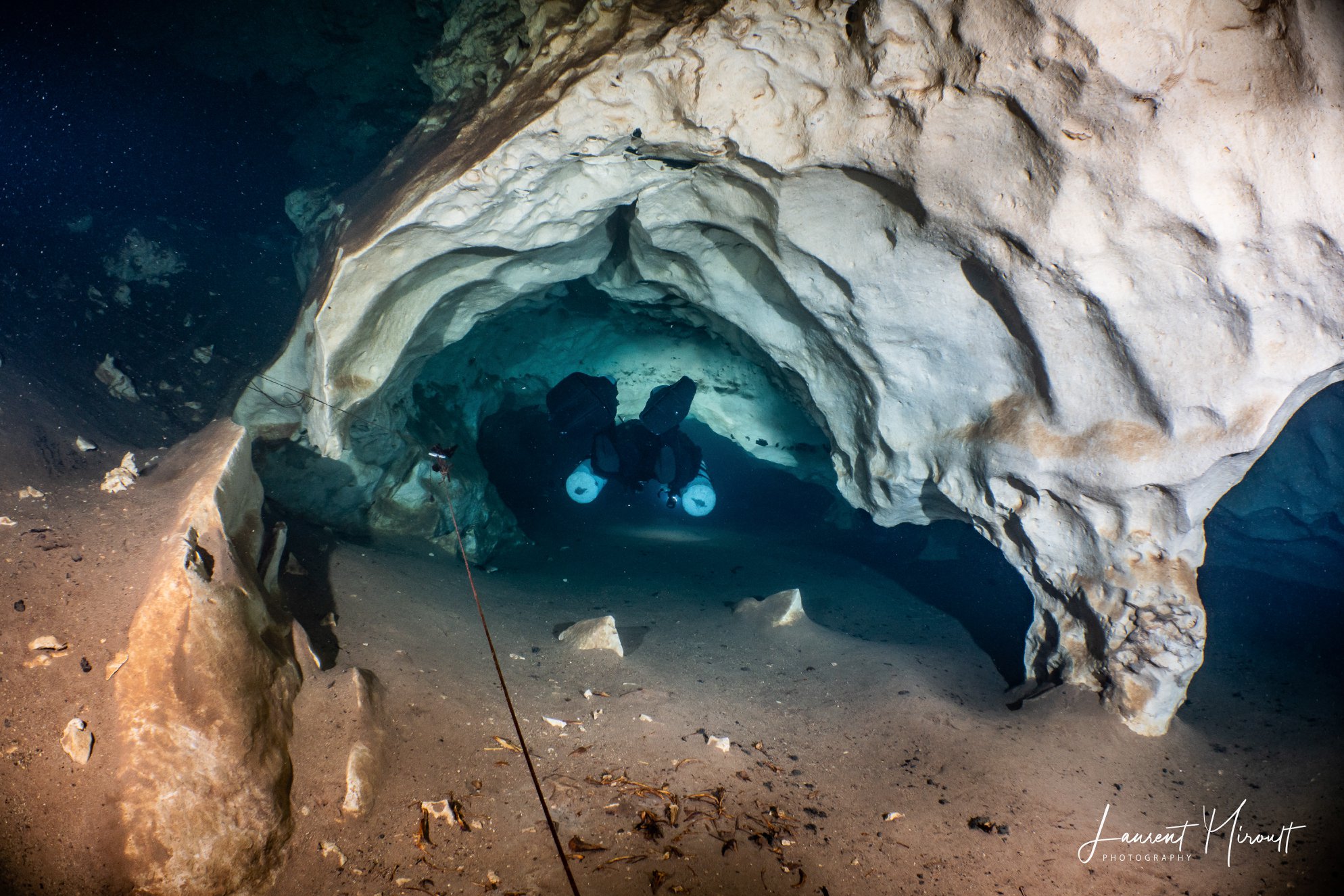
The spring opening is a decent size, and the cavern offers plenty of room to swim around in. The cave continues through a low sidemount restriction at the opposite end of the cavern from the opening. Once through the restriction, the cave becomes large enough to feel comfortable in.
You’ll encounter a few line intersections almost immediately once inside of the cave. The first one will take you up a shallow passage than ends in a small area at about 10 feet of depth. Along the way, you may find some jump lines that will take you to the Catacombs, a low silty area. The Catacombs are a bit of a maze. The map on this page does not show the extent of the passages in the area.
Cave Data
Current Status
- Murky surface basin
- Cavern-to-restriction transition
- Three distinct structural zones
- Extended offshoot passages
- Silty maze configuration
The combination of the above features gives the cave three distinctly different interior environments within a relatively compact footprint.
Proper buoyancy control is necessary to maintain visibility, particularly in the deeper maze sections.
This system is discussed in The Hidden Rivers of Florida because of its importance to cave exploration and ground water research.
Learn about the bookFrequently Asked Questions
The spring is located about 20 minutes from the boat launch at River Road near New Hope, Florida in Holmes Creek.
Trained and certified cave divers can dive the cave in sidemount configuration. The cavern is large enough for those in backmount configuration. However, to continue beyond the cavern, sidemount is required.
Yes, it’s a short paddle from the nearest launch. The spring is at the end of a branch of Holmes Creek, which is not easy to find if you are unfamiliar with the area. Under normal conditions, the visibility in the basin will not allow you to see if from the surface.
The opening is about 10 feet deep. The cave reaches a maximum depth of about 45 feet.
Continue Exploring Florida’s Hidden Waters
If you enjoyed the information about this springs, you’ll love the free guide:
The 25 Most Notable Springs and Cave Systems in Florida
From world-famous destinations like Wakulla, Jackson Blue Spring, and Peacock Springs to lesser-known hidden gems, this guide introduces some of Florida’s most fascinating natural wonders.
Download your free copy and continue exploring beyond the surface.
Get the Free Guide →Nearby Springs
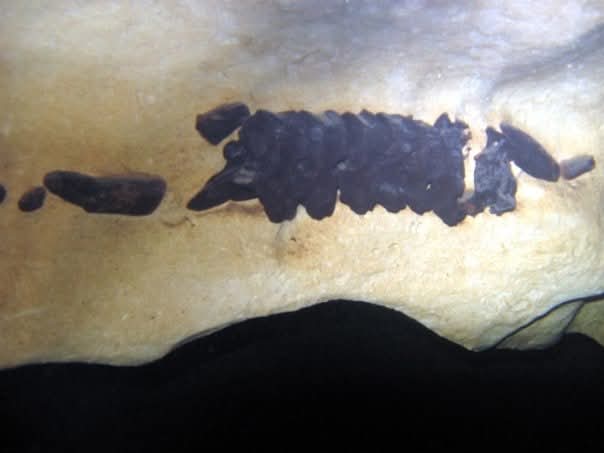

Photo Gallery
The following images were taken in Judge’s Spring/Skipper Cave System by Laurent Miroult.
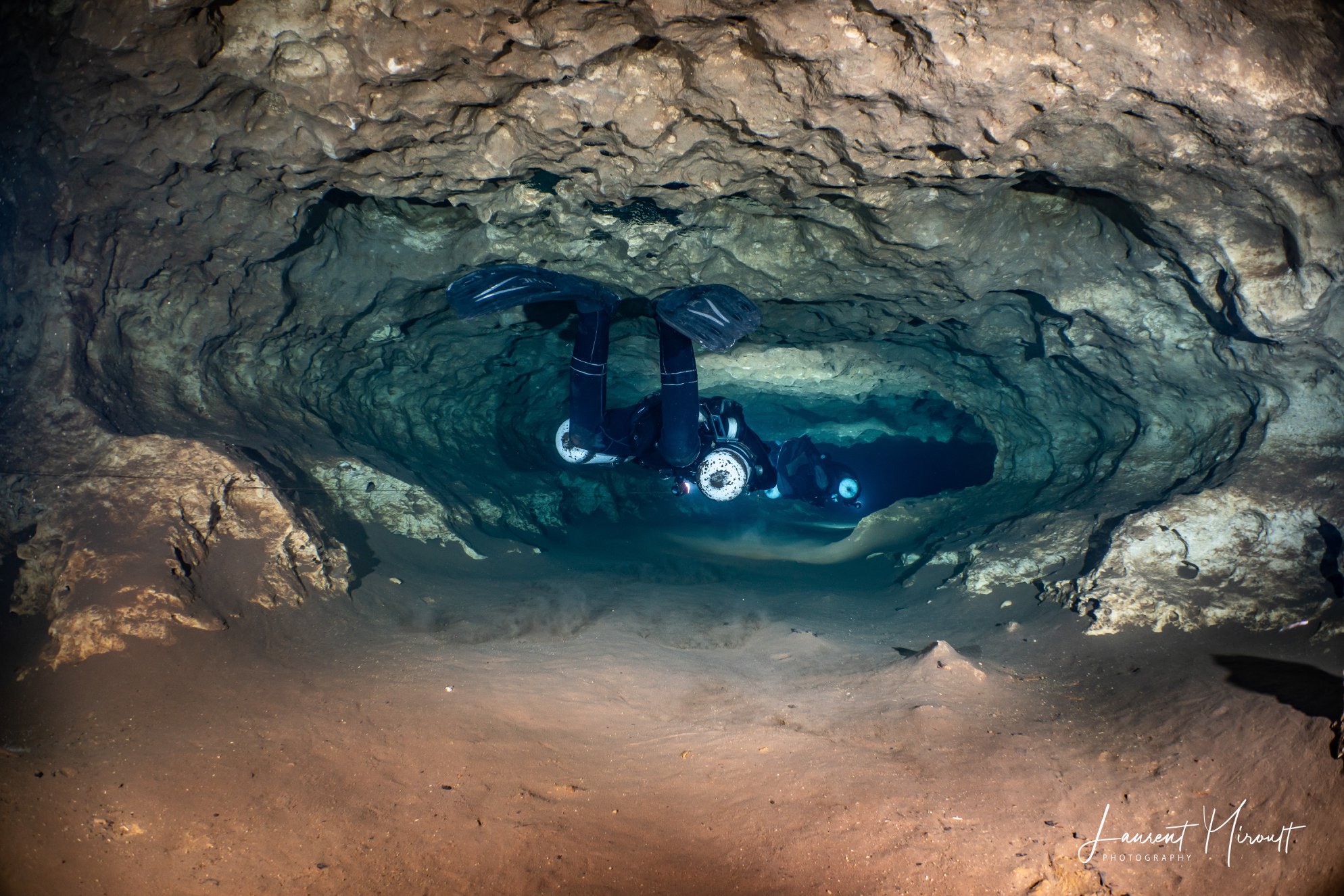
For more photos by Laurent Miroult, please visit cavediving.pictures