
Ebro Blue Spring
Location: Washington County, Florida, United States

The system is known for its powerful current, challenging entry conditions, and fossil-rich interior passage. Due to hydrological variability, the cave is only divable during certain water levels.
Even under favorable conditions, Ebro remains one of the more physically demanding cave dives in the region.
FREE FLORIDA SPRINGS GUIDE
Want to discover more of Florida’s hidden waterways?
Download The 25 Most Notable Springs and Cave Systems in Florida and explore some of the state’s most remarkable spring basins, underwater cave systems, and hidden natural treasures.
✓ Featured springs throughout Florida
✓ Cave systems and exploration highlights
✓ Popular destinations and hidden gems
✓ Instant download
Ebro Blue Spring can be reached by kayak, canoe, or paddleboard from Cowford Landing, located downriver, or Bolton Landing, located upriver. While Cowford Landing is farther, it is recommended so that you are returning with the current. Depending on water levels and current conditions, paddlers can access the spring basin by following the Choctawhatchee River north about 5 miles or Holmes Creek south for about 2 miles. The route is generally suitable for recreational paddlers, though conditions may vary throughout the year.
As you approach the spring, watch for changes in water color, clarity, and vegetation that often indicate groundwater entering the system. Paddlers may encounter limestone formations, submerged vents, native wildlife, and the clear blue water commonly associated with Florida’s spring systems. Check the level of the water before departing. If it’s above 10 feet, the spring basin will likely be nothing but tannic water. The spring provides a unique opportunity to observe the connection between Florida’s surface waterways and the hidden groundwater network flowing beneath the landscape.
Geological Context
Ebro Blue discharges from Florida’s karst limestone into Holmes Creek.
The system carries substantial flow, and water level fluctuations directly impact both accessibility and visibility. When water levels are low, the current intensifies and disturbs sediment within the passage, reducing visibility and making entry extremely difficult.
During higher water levels, tannic creek water often mixes near the entrance, creating a distinct visual transition between the creek and the spring discharge.
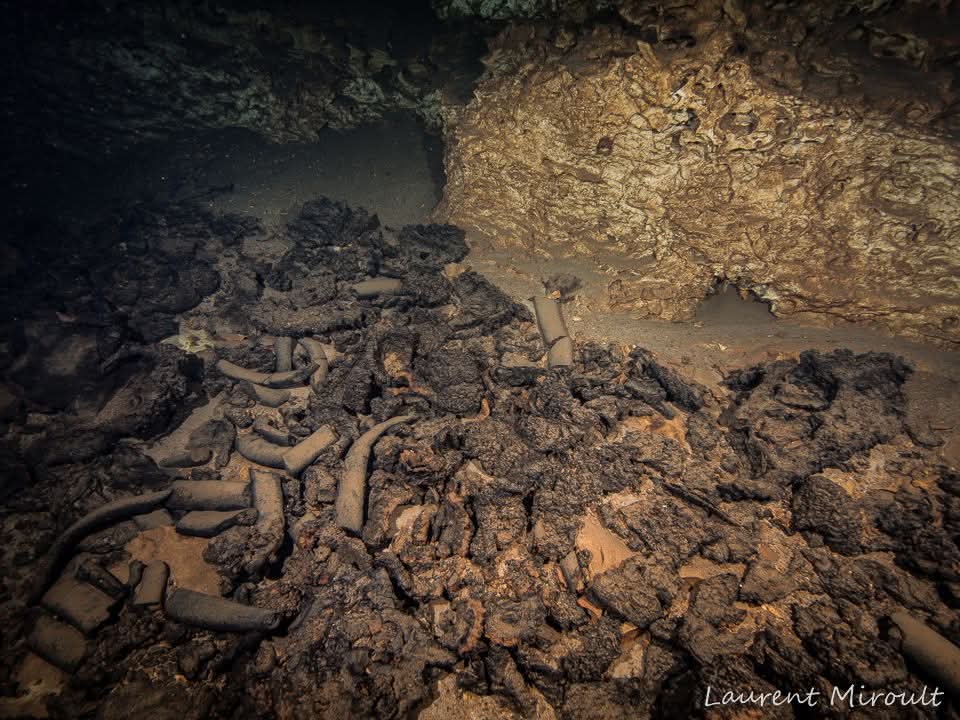
The cave is notable for its fossil content, including numerous sea urchin shells embedded in and scattered along the limestone floor and walls. Shark teeth are also commonly found within the system. Larger fossilized material, including vertebrae-like specimens, has been observed.
Structure & Layout
The entrance is located within Holmes Creek and is equipped with a rope to assist divers during both entry and exit. The current at the entrance can be strong, requiring significant effort to enter the cave. Exit can be equally challenging, as divers must manage buoyancy carefully to avoid being forced rapidly toward the surface by the flow.
The cave profile features frequent depth changes within the first several hundred feet, requiring constant adjustment and precise buoyancy control.
Approximately 1,000 feet from the entrance, fossil density increases noticeably, with numerous sea urchin shells visible throughout the passage.
Hydrological Characteristics
Ebro Blue is notable for its intense flow. Entry requires descending against strong current. Exit can be equally demanding, as divers must avoid being forced toward the surface prematurely.
The cave depth profile typically results in mandatory decompression obligations. Decompression stops are often conducted in the tannic creek water adjacent to the opening.
When creek levels are low, entry may be extremely difficult or impractical due to increased current and reduced clarity.
As one of the highest-flow spring caves in the region, Ebro Blue represents a distinct hydrological category within Florida’s cave systems. A broader regional perspective can be found in the Guide to Cave Diving in the Florida Panhandle.
Fossils & Interior Features
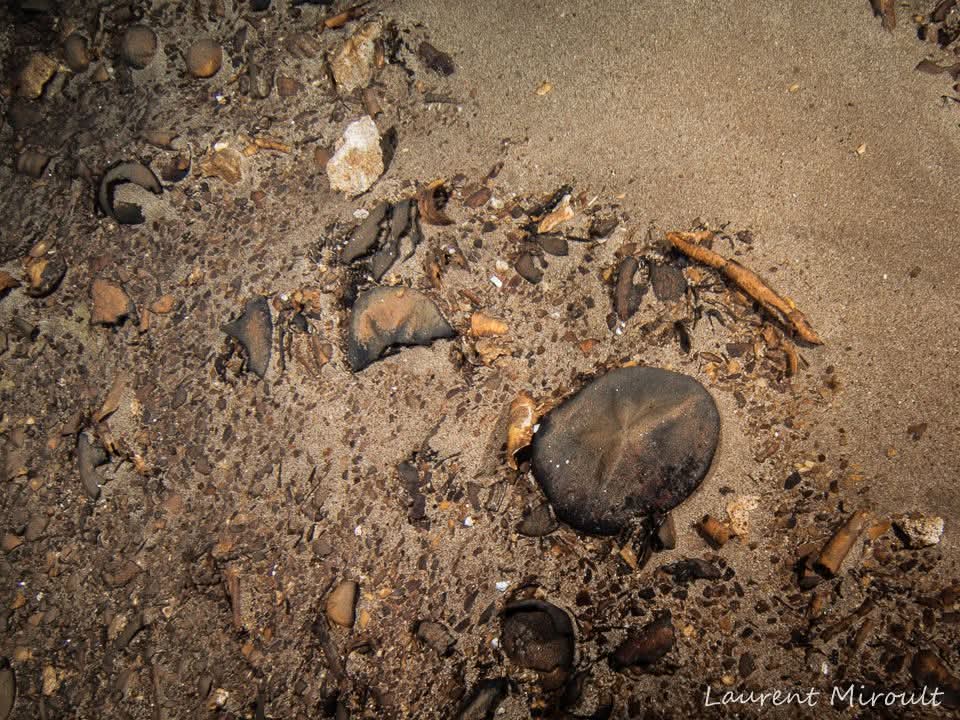
Ebro Blue contains abundant fossil deposits.
Approximately 1,000 feet from the entrance, the passage contains numerous fossilized sea urchin shells embedded within the limestone and scattered along the cave floor. Shark teeth are also present within the system, and additional fossilized marine remnants have been observed.
These features reflect the region’s ancient marine history and distinguish Ebro from many neighboring spring caves.
- High flow
- Rolling depth profile
- Limited entry windows
- Mandatory decompression
- Fossil-rich limestone
These attributes make Ebro Blue an advanced cave system requiring careful planning and conservative execution.
The cave should only be approached during appropriate water conditions and with full awareness of hydrological variability.
Exploration History
Ebro Blue has long been recognized within the cave diving community as a high-flow system requiring favorable conditions for safe access.
Exploration has focused primarily on penetration during appropriate water levels due to the demanding hydrodynamics of the system.
Cave Data
Ebro Blue Spring is a unique cave to dive. It is a first magnitude spring with significant current ejecting from its opening. The current is so strong that a rope is required to pull yourself in the first 25 feet or so where the passage becomes bigger and the flow can be better managed.
Diving Ebro Blue Spring is best done when the water level is between 11 and 14 feet. Any lower and the current is too strong to move against, even with a DPV. This not only makes it impossible to move against, but it also affects the visibility. The stronger current stirs up the sediment and visibility is greatly diminished.
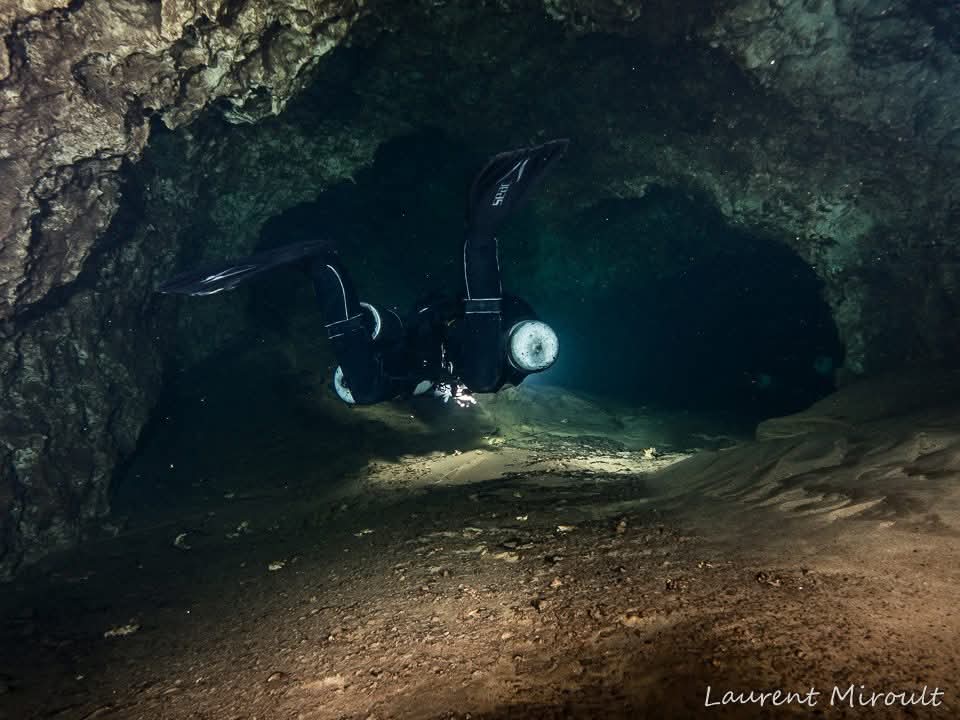
Once past the rope, swimming can still be difficult. A DPV is useful, however, one should swim the cave before using a DPV in it. The first several hundred feet of the cave has frequent depth changes and a few offshoots that can easily be mistaken for the main passage. Learn the cave before scootering in it.
There are thousands of fossils inside Ebro Blue Spring. They are located farther back in the cave. While there are plenty of fossils, they should be left undisturbed for future generations of cave divers to enjoy.
Current Status
- Strong and variable current
- Depth changes
- Mandatory decompression
- Reduced visibility at times
The Hidden Rivers of Florida documents the springs, rivers, sinkholes, caves, and groundwater systems that shape Florida’s landscape. Through exploration, photography, research, and firsthand observation, the project seeks to connect visitors with the hidden waterways flowing beneath the state.
Frequently Asked Questions
The spring is located in Holmes Creek just outside of the town of Ebro, Florida. It is about 2 miles from the closest boat launch.
Trained and certified cave divers can dive the cave. Attention to the water level in Holmes Creek must be checked as conditions in the cave are only optimal for diving between certain levels. Too low and the current is too strong to swim or scooter against. Too high and the visibility is greatly diminished.
Yes, it is a nice paddle to the spring. However, it isn’t a straight shot. Holmes Creek has many branches, and it can be difficult to find if you don’t know where you’re going. During normal water levels, the spring is not visible from the surface. It is rare that it is visible when it is also at optimal levels to dive.
The opening is typically 15-20 feet below the surface. The cave reaches a maximum depth in the 80s.
The cave is full of fossils. Most of them are located several hundred feet from the opening. In some areas, the floor is covered by them. If you get to the fossil area, please do not disturb them so that future generations of cave divers can enjoy them.
Continue Exploring Florida’s Hidden Waters
If you enjoyed the information about this springs, you’ll love the free guide:
The 25 Most Notable Springs and Cave Systems in Florida
From world-famous destinations like Wakulla, Jackson Blue Spring, and Peacock Springs to lesser-known hidden gems, this guide introduces some of Florida’s most fascinating natural wonders.
Download your free copy and continue exploring beyond the surface.
Get the Free Guide →Nearby Springs
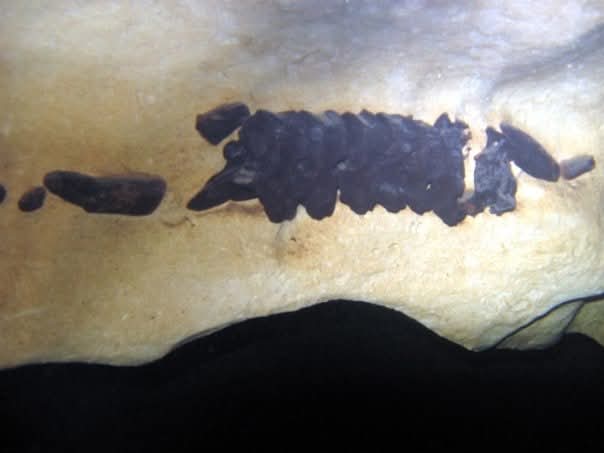
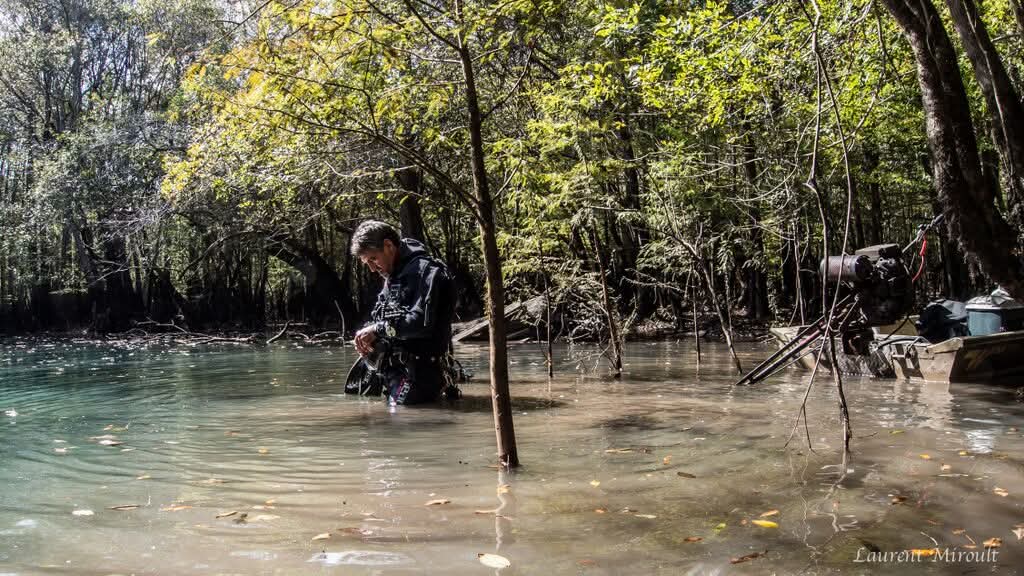
Photo Gallery
The following images were taken in Ebro Blue Spring Cave System by Laurent Miroult.
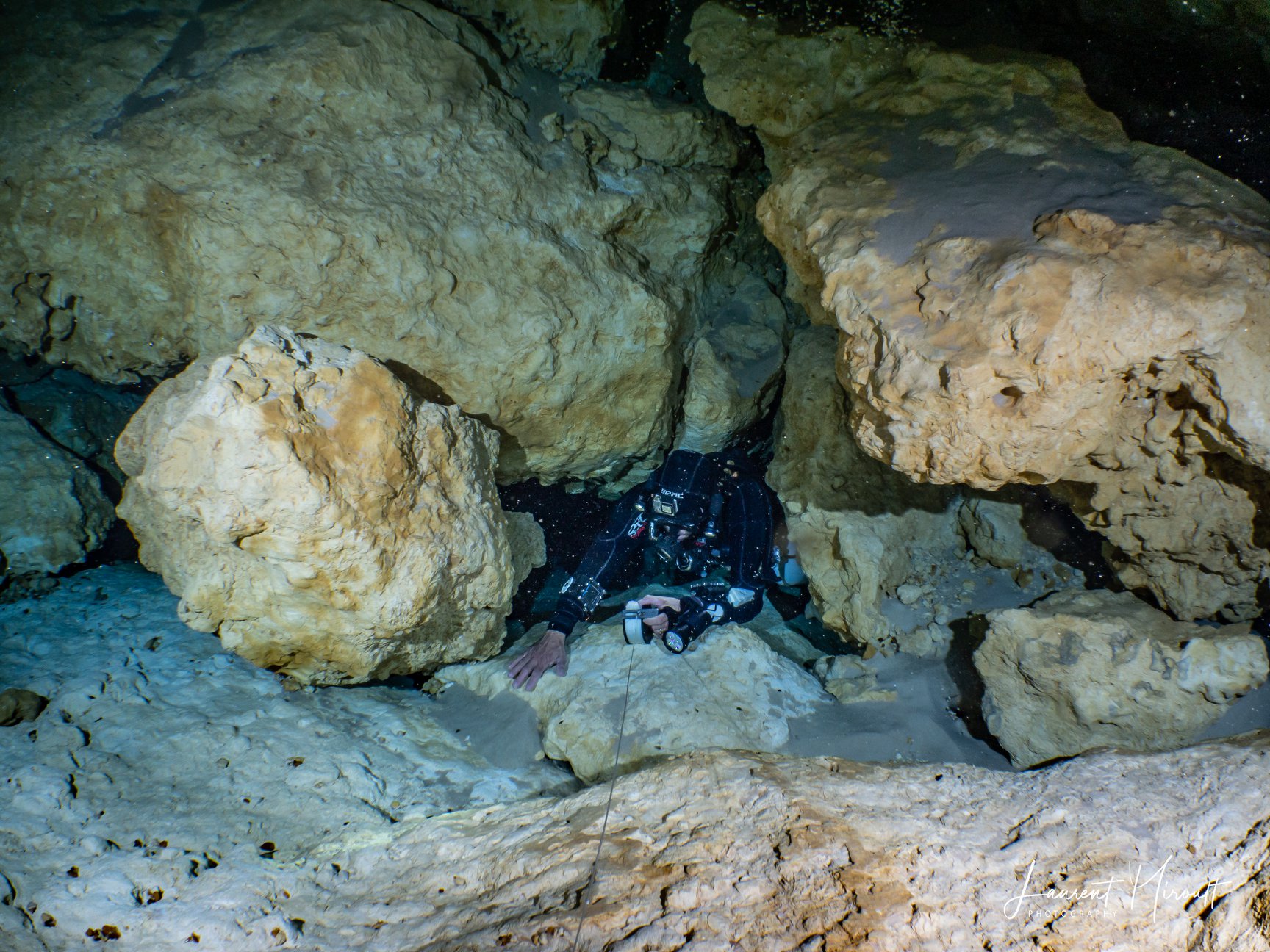


For more photos by Laurent Miroult, please visit cavediving.pictures