
Wakulla Springs
Location: Wakulla County, Florida, United States
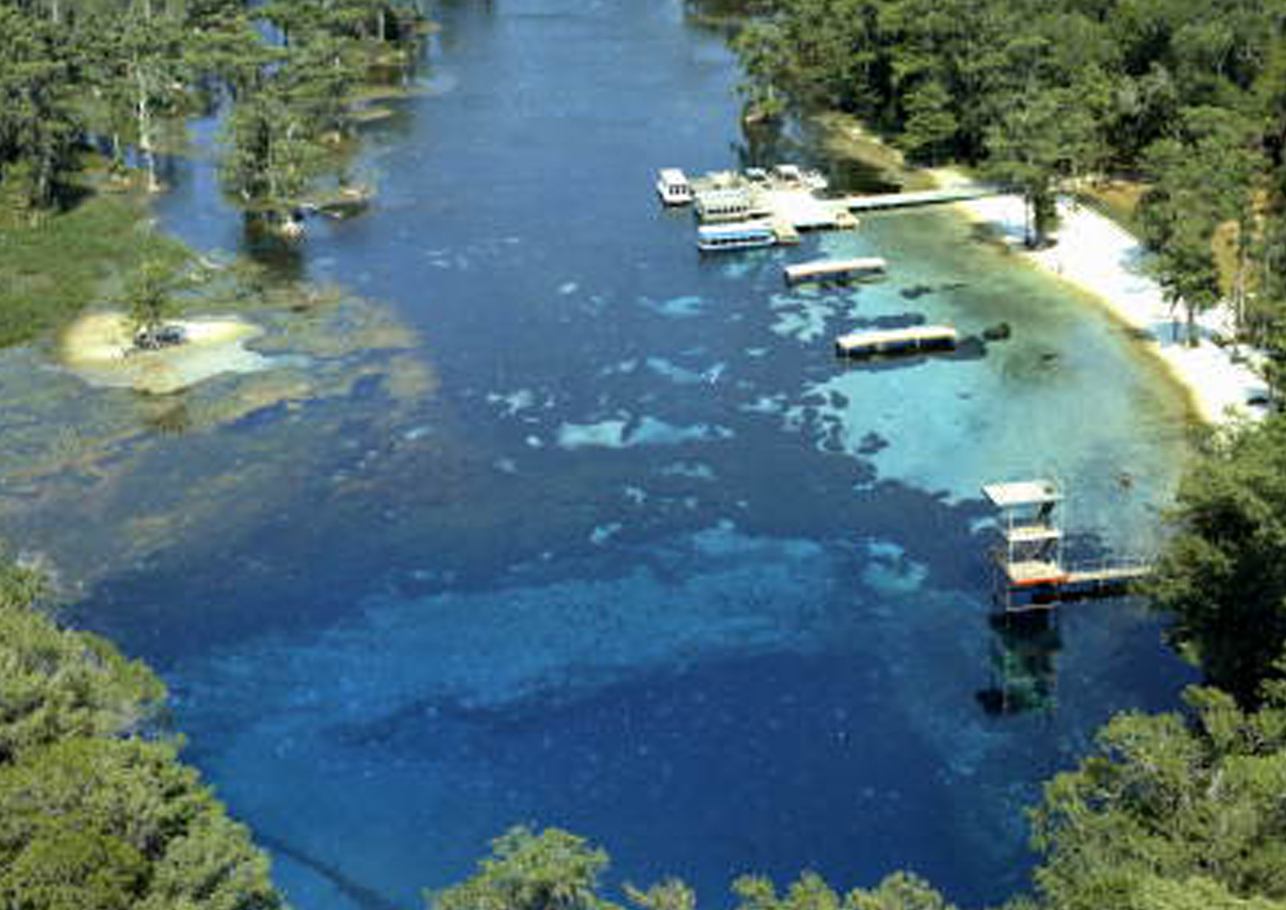
Wakulla Springs is one of the largest and deepest freshwater springs in the world and serves as the centerpiece of Edward Ball Wakulla Springs State Park. Located south of Tallahassee within the Woodville Karst Plain, the spring is renowned for its crystal-clear water, abundant wildlife, historic lodge, and extensive underwater cave system.
The spring forms a major discharge point for the Floridan Aquifer, releasing hundreds of millions of gallons of groundwater each day. Beneath the spring basin lies one of the most significant underwater cave systems ever discovered, a network that has played a central role in cave-diving exploration and groundwater research.
Today, visitors come to Wakulla Springs to swim, hike, observe wildlife, tour the spring by boat, and experience one of Florida’s most iconic natural landmarks.
FREE FLORIDA SPRINGS GUIDE
Want to discover more of Florida’s hidden waterways?
Download The 25 Most Notable Springs and Cave Systems in Florida and explore some of the state’s most remarkable spring basins, underwater cave systems, and hidden natural treasures.
✓ Featured springs throughout Florida
✓ Cave systems and exploration highlights
✓ Popular destinations and hidden gems
✓ Instant download
Although paddling is not permitted within the spring basin itself, visitors can explore portions of the Wakulla River downstream of the spring. The river offers opportunities to observe alligators, manatees, turtles, birds, and other wildlife while experiencing one of Florida’s most scenic spring-fed waterways.
The clear water and abundant wildlife make the Wakulla River a popular destination for kayakers, canoeists, and nature photographers.
Geological Context
Wakulla Springs emerges from the Floridan Aquifer within the Woodville Karst Plain, one of the most extensive karst regions in North America.
Over thousands of years, groundwater dissolved the underlying limestone, creating a vast network of conduits, sinkholes, caves, and springs. Wakulla Springs serves as one of the primary discharge points for this groundwater system and is connected to numerous recharge features throughout the region, including Leon Sinks, Lost Creek, Turner Sink, and other components of the Woodville Karst Plain.
The spring’s immense flow and connection to an extensive cave network make it one of the most significant hydrological features in Florida.
Structure & Layout
Wakulla Springs consists of a large spring basin that provides a window into the groundwater flowing through the Floridan Aquifer. The basin is known for its exceptional clarity during periods of favorable conditions and provides habitat for fish, turtles, manatees, alligators, and numerous bird species.
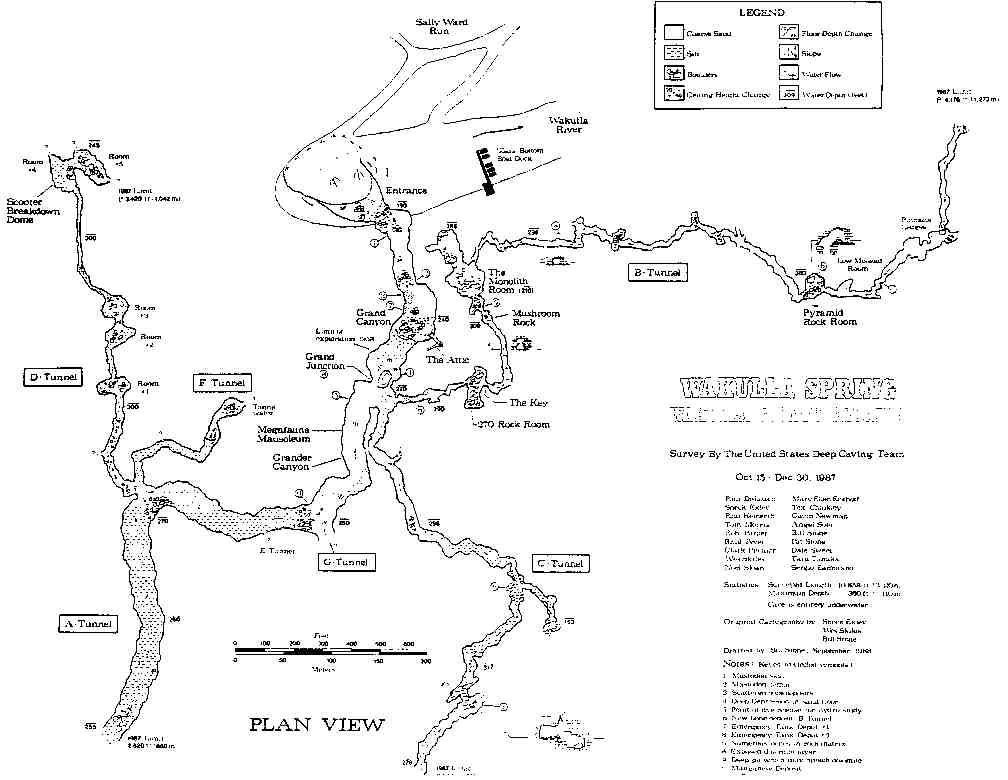
Beneath the spring basin lies the entrance to the Wakulla cave system. The cave descends into a network of large conduits and chambers that extend for many miles beneath the surrounding landscape.
The primary cave passage extends southward from the spring for more than 3.8 miles. Large conduit dimensions and remarkable depth characterize much of the system, making it one of the most significant underwater caves in North America.
Multiple secondary conduits intersect the main passage, including connections to Leon Sinks and other portions of the Woodville Karst Plain groundwater system. These interconnected pathways illustrate the complexity of groundwater movement beneath the region.
Exploration History
Scientific interest in Wakulla Springs dates to 1850 when Sarah Smith reported seeing the bones of an ancient mastodon on the spring bottom. Subsequent investigations revealed the remains of numerous extinct Ice Age animals preserved within the spring and cave system.
In 1930, the Florida Geological Survey conducted one of the first formal investigations of the spring under the direction of geologist Herman Gunter. Using hard-hat diving equipment, dredges, and specialized recovery tools, researchers recovered fossils from the spring basin, including a mastodon skeleton that is now displayed at the Museum of Florida History.
Modern cave exploration accelerated during the latter half of the twentieth century. In 1987, Dr. Bill Stone led a major expedition into the cave system that included legendary cave divers Sheck Exley and Wes Skiles. The team explored more than 4,000 feet into the cave while documenting the system for a National Geographic special and demonstrating innovative rebreather technology.
Further exploration occurred during the Wakulla 2 Project in 1998 and 1999, bringing together more than one hundred volunteers from around the world. These efforts significantly expanded understanding of the cave system and contributed to advances in underwater exploration technology.
On December 15, 2007, divers from the Woodville Karst Plain Project successfully connected the Wakulla Springs and Leon Sinks cave systems. The discovery established the Wakulla-Leon Sinks system as the longest underwater cave in the United States and one of the largest underwater cave systems in the world.
Underwater Cave System
The Wakulla cave system consists of a vast dendritic network of underwater conduits extending beneath the Woodville Karst Plain. Survey and exploration efforts have documented dozens of miles of underwater passage, with ongoing projects continuing to expand understanding of the system.
The cave is characterized by large, tube-like conduits that maintain relatively consistent dimensions for long distances. In some locations, these passages intersect larger chambers and junctions where multiple conduits converge.
One of the most significant discoveries in the system’s history was the physical connection between Wakulla Springs and Leon Sinks. This breakthrough demonstrated the extensive nature of groundwater movement within the Woodville Karst Plain and reinforced the importance of the region’s interconnected cave systems.
Today, the Wakulla-Leon Sinks cave system remains one of the most important cave-diving exploration projects in the world.
Hydrological Characteristics
Wakulla Springs is among the largest freshwater springs on Earth. Flow rates commonly range between 200 and 300 million gallons of water per day, although significantly higher flows have been recorded during periods of elevated groundwater recharge.
A record flow measurement recorded in April 1973 exceeded one billion gallons of water per day, demonstrating the immense scale of the groundwater system feeding the spring.
The spring serves as a major discharge point for the Floridan Aquifer and provides valuable insight into groundwater movement throughout the Woodville Karst Plain.
Wildlife
Wakulla Springs supports one of the richest freshwater ecosystems in Florida.
Visitors commonly observe alligators, manatees, turtles, fish, river otters, and numerous species of birds. During cooler months, manatees often seek refuge within the spring’s relatively warm water.
The surrounding forests, wetlands, and river corridor provide habitat for a diverse collection of wildlife, making the park one of Florida’s premier destinations for nature observation and photography.
Historical Lodge
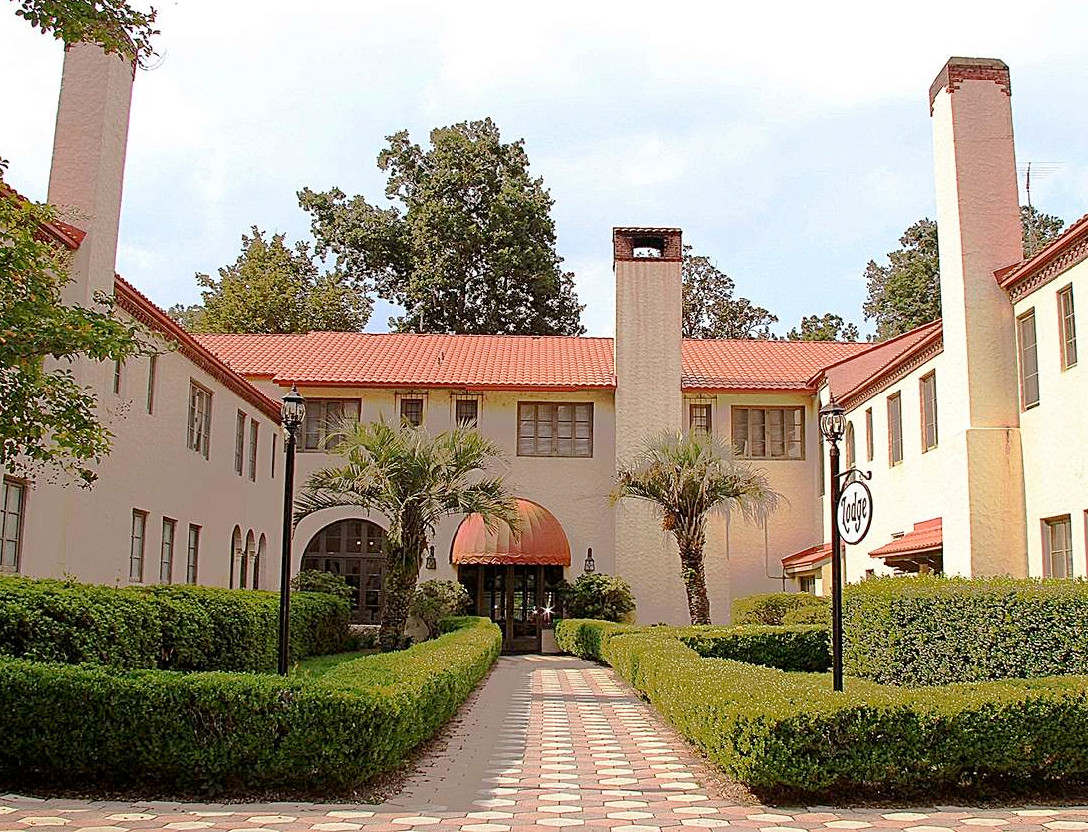
Overlooking the spring is the historic Wakulla Springs Lodge, one of Florida’s most iconic hotels. Constructed in the 1930s, the lodge features Art Deco architecture, hand-painted ceilings, original elevators, and a rich history tied to the development of Florida tourism.
The lodge remains a centerpiece of the park and continues to welcome visitors seeking a unique connection to Florida’s past.
Film History
Wakulla Springs has served as a filming location for numerous movies, television programs, and documentaries.
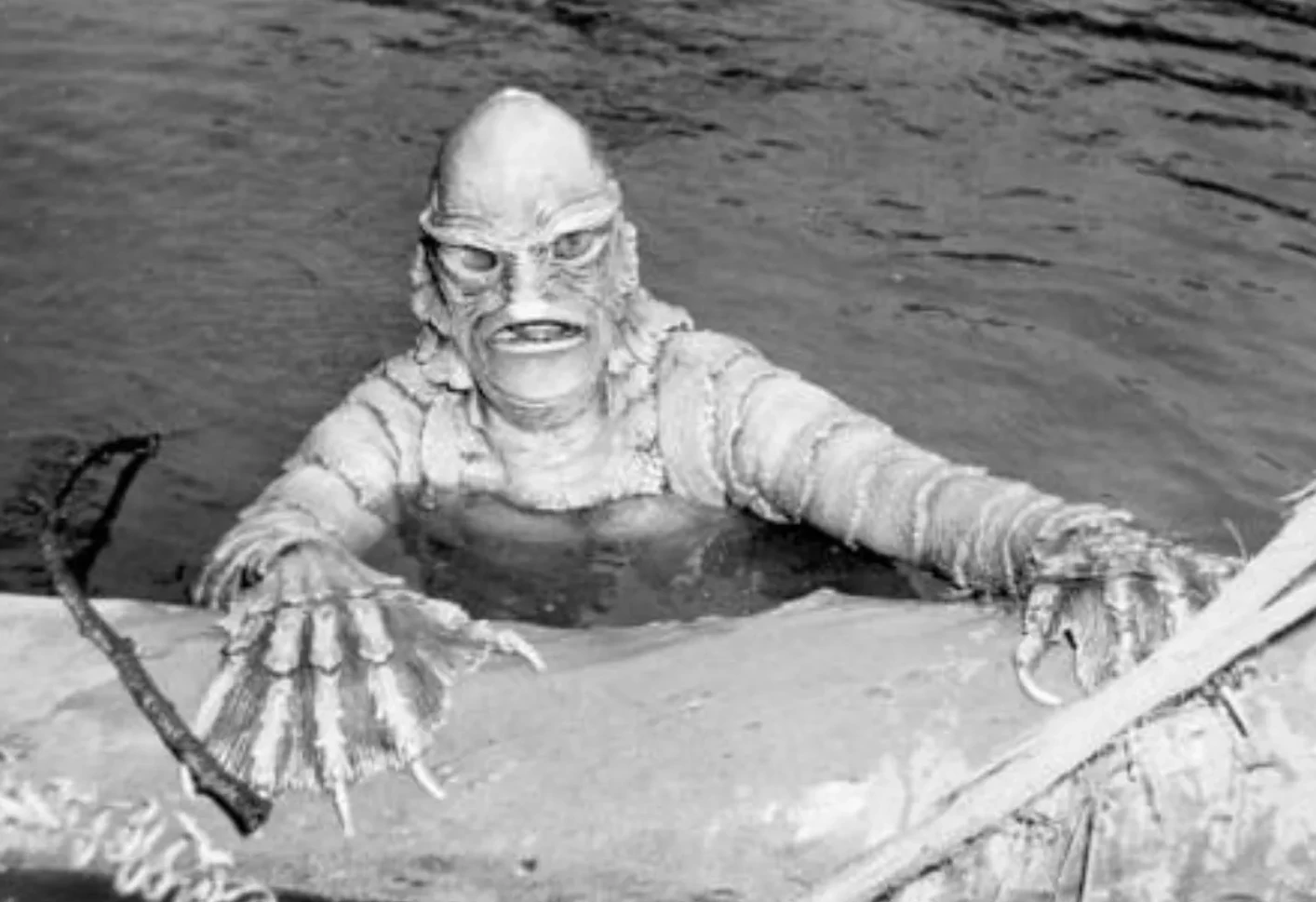
Among the most famous productions filmed at the spring are scenes from Creature from the Black Lagoon and several Tarzan films. The spring’s clear water, lush surroundings, and dramatic underwater scenery made it a natural choice for filmmakers seeking to capture Florida’s wild beauty.
Cave Data
Wakulla Springs is not open to recreational cave diving. Access to the underwater cave system is restricted and requires special authorization through state permitting processes.
Unlike many Florida springs, Wakulla Springs does not fall under Florida’s navigable waterways doctrine due to a barrier installed across the spring decades ago. As a result, access to the cave system remains tightly controlled.
The cave continues to serve as an important site for scientific research, exploration, and groundwater studies conducted by qualified teams operating under approved permits.
Current Status
The spring continues to attract a variety of people seeking to experience one of Florida’s most famous natural attractions.
- Researchers
- Wildlife enthusiasts
- Photographers
- Swimmers
- Visitors
Ongoing scientific studies and conservation efforts continue to improve understanding of groundwater flow, spring health, and ecosystem dynamics throughout the Woodville Karst Plain.
Exploration of the Wakulla-Leon Sinks cave system also continues, with researchers and cave divers expanding knowledge of one of the world’s most extensive underwater cave networks.
The Hidden Rivers of Florida documents the springs, rivers, sinkholes, caves, and groundwater systems that shape Florida’s landscape. Through exploration, photography, research, and firsthand observation, the project seeks to connect visitors with the hidden waterways flowing beneath the state.
Frequently Asked Questions
Wakulla Springs is one of the largest freshwater springs in the world and discharges hundreds of millions of gallons of groundwater each day.
Yes. Beneath the spring lies the Wakulla-Leon Sinks cave system, one of the largest underwater cave systems in North America.
No. Access to the underwater cave system is restricted and requires special state authorization.
Yes. Manatees are frequently observed in the spring and river, particularly during cooler months.
Yes. Swimming is permitted in designated areas of the spring basin.
Wakulla Springs was used as a filming location for several classic productions, including Creature from the Black Lagoon and Tarzan films.
The Wakulla-Leon Sinks Cave System is an extensive underwater cave network beneath the Woodville Karst Plain and is among the largest underwater cave systems in the world.
Yes. Guided boat tours operate when water clarity allows visitors to observe wildlife and underwater features within the spring system.
Continue Exploring Florida’s Hidden Waters
If you enjoyed the information about this springs, you’ll love the free guide:
The 25 Most Notable Springs and Cave Systems in Florida
From world-famous destinations like Wakulla, Jackson Blue Spring, and Peacock Springs to lesser-known hidden gems, this guide introduces some of Florida’s most fascinating natural wonders.
Download your free copy and continue exploring beyond the surface.
Get the Free Guide →Nearby Springs
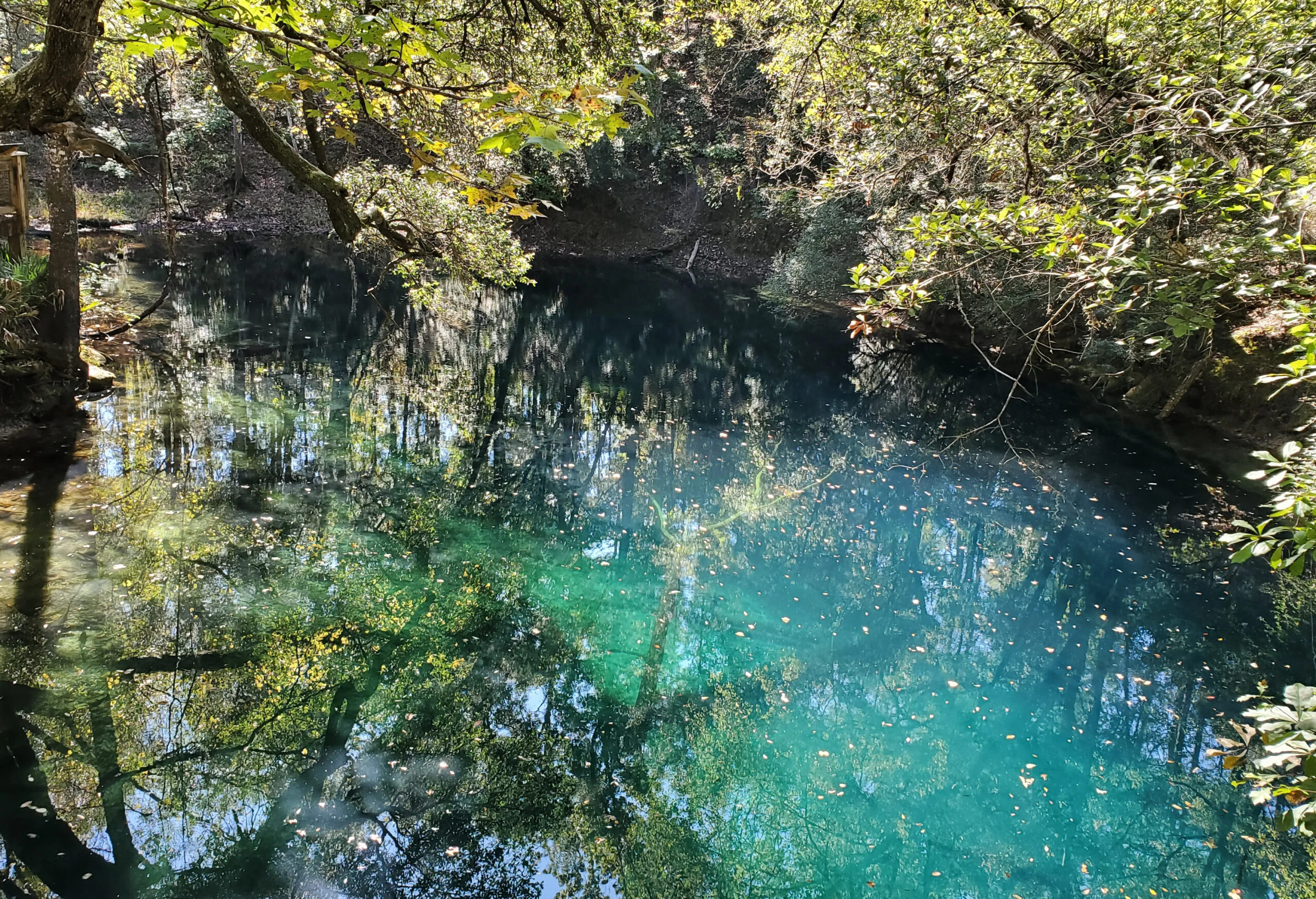
Photo Gallery
Coming soon