Madison Blue Spring
Location: Madison County, Florida, United States
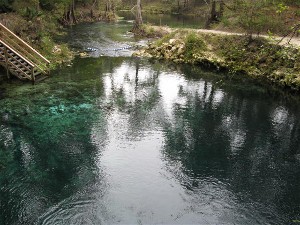
Madison Blue Spring is one of Florida’s premier cave-diving destinations and a centerpiece of the Suwannee River Basin. Located within Madison Blue Spring State Park, the spring is known for its crystal-clear water, strong flow, and extensive underwater cave system that attracts divers from around the world.
The spring emerges from the Floridan Aquifer and discharges into the Withlacoochee River before eventually joining the Suwannee River. Beneath the spring basin lies an extensive network of underwater passages that have become an important site for cave-diving exploration, training, and survey work.
Today, Madison Blue Spring is recognized as one of the finest examples of a North Florida spring cave and remains a favorite destination for both visitors and cave divers.
FREE FLORIDA SPRINGS GUIDE
Want to discover more of Florida’s hidden waterways?
Download The 25 Most Notable Springs and Cave Systems in Florida and explore some of the state’s most remarkable spring basins, underwater cave systems, and hidden natural treasures.
✓ Featured springs throughout Florida
✓ Cave systems and exploration highlights
✓ Popular destinations and hidden gems
✓ Instant download
Kayakers, canoeists, and paddleboarders can access Madison Blue Spring via the Withlacoochee River and explore one of the most scenic spring basins in North Florida. The spring’s clear blue water creates a striking contrast with the darker river water, making the spring easy to identify from the water.
While visiting, paddlers can enjoy the spring run, observe wildlife, and experience one of the most beautiful examples of a first-magnitude spring within the Suwannee River Basin.Geological Context
Madison Blue Spring formed within the limestone of the Floridan Aquifer through the gradual dissolution of rock by groundwater over thousands of years.
The spring serves as a major discharge point within the Suwannee River Basin and provides a window into the extensive conduit systems that transport groundwater beneath North Florida. The cave system’s large passage dimensions, strong flow, and clear water illustrate the powerful geological processes responsible for shaping Florida’s underground rivers.
The spring’s connection to the Withlacoochee and Suwannee River watersheds highlights the complex relationship between groundwater and surface water throughout the region.
Structure & Layout
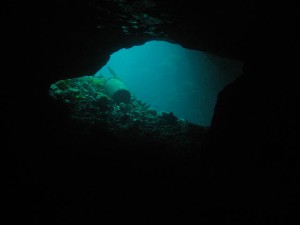
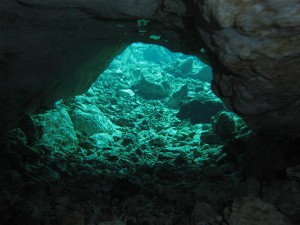
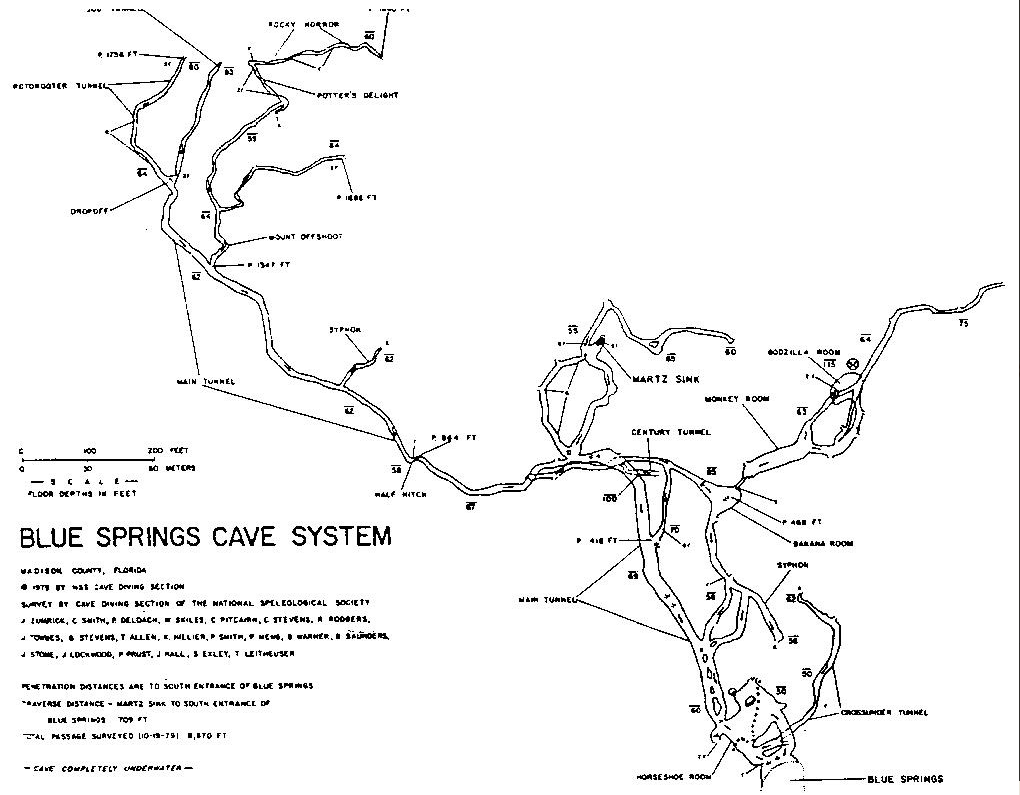
The primary opening to Madison Blue Spring is located within the spring basin and serves as the most recognizable opening into the cave system. Strong spring flow emerges from the cave, creating the crystal-clear water that has made the spring famous.
A second, smaller opening known as the Rabbit Hole provides access to the cave system near the main opening. Because of the force of the current exiting the spring, cave divers commonly use the Rabbit Hole as their entry point before exiting through the main spring opening at the conclusion of the dive.
Located upstream from the spring basin within the state park, Martz Sink provides another connection to the cave system. The sink can be used as both an entry and exit point and serves as an important secondary access location for cave divers.
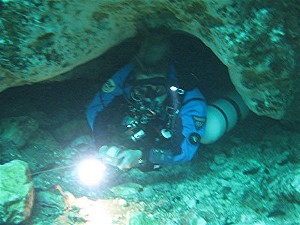
One of the most distinctive passages within Madison Blue Spring is Rocky Horror. This low, narrow restriction allows only a single dive team to safely pass through at a time. Because of this limitation, cave divers use a simple but effective signaling system involving a slate with boxes marked “IN” and “OUT” and a clip.
When a team enters Rocky Horror, the clip is moved to the “IN” position. Upon exiting the passage, the clip is returned to the “OUT” position. If a team arrives and finds the marker in the “IN” position, they must avoid entering the restriction and instead utilize an alternate route through the system.
This procedure has been passed through the cave-diving community for years and remains an important part of safe navigation within the cave.
Beyond Rocky Horror lies an area known as the Courtyard. This section of the cave is considered one of the highlights of the Madison Blue system and rewards divers who venture beyond the restriction with larger passages and impressive cave formations.
Exploration History
Madison Blue Spring has long been recognized as one of Florida’s most important cave-diving destinations. Exploration and survey efforts have documented extensive underwater passage while helping improve understanding of groundwater movement throughout the Suwannee River Basin.
The system’s combination of strong flow, large passages, and multiple entrances has made it a popular location for training, exploration, underwater photography, and scientific study.
Today, Madison Blue remains one of the most frequently visited cave systems in North Florida.
Hydrological Characteristics
Madison Blue Spring functions as a major groundwater discharge point connected to the Floridan Aquifer.
Groundwater emerging from the cave system maintains a relatively constant temperature throughout the year and contributes to the flow of the Withlacoochee River. Water clarity is often exceptional, providing ideal conditions for underwater exploration and photography.
The extensive conduit network hidden beneath the spring demonstrates the scale of groundwater movement occurring beneath the Suwannee River Basin.
Cave Data
Madison Blue Spring is considered one of Florida’s premier cave-diving destinations. Strong flow, exceptional visibility, and extensive passage development make the system a favorite among cave divers from around the world.
Most cave dives begin through the Rabbit Hole due to the force of water exiting the main spring opening. Divers should also be familiar with the Rocky Horror passage protocol and understand the significance of the IN/OUT marker system before entering the cave.
Because the site is located within a Florida State Park, solo diving and the use of diver propulsion vehicles are prohibited. Divers should also be aware that the park limits the number of cave divers permitted in the system at any one time. You may need to wait for a team to exit before you are permitted entry.
Current Status
Madison Blue Spring remains one of Florida’s most popular cave-diving destinations and is managed as part of Madison Blue Spring State Park.
To protect both the cave system and divers, the park limits the number of cave divers allowed in the system at any given time. As a result, divers often arrive early to secure entry, particularly during weekends and periods of favorable conditions.
Because the spring is located within a Florida State Park, both solo diving and diver propulsion vehicles (scooters) are prohibited. These regulations help maintain safety while preserving access to one of Florida’s most significant underwater cave systems.
Today, Madison Blue continues to attract divers, researchers, photographers, and visitors seeking to experience one of North Florida’s most remarkable springs.
The Hidden Rivers of Florida documents the springs, rivers, sinkholes, caves, and groundwater systems that shape Florida’s landscape. Through exploration, photography, research, and firsthand observation, the project seeks to connect visitors with the hidden waterways flowing beneath the state.
Frequently Asked Questions
Madison Blue Spring is located in Madison County, Florida, within Madison Blue Spring State Park.
The spring is known for its crystal-clear water, strong flow, and extensive underwater cave system, making it one of Florida’s most popular cave-diving destinations.
The Rabbit Hole is a smaller entrance to the cave system located near the main spring opening. Divers commonly use it as their primary entry point.
Martz Sink is a small sinkhole located upstream from the spring basin that provides an additional entry and exit point into the cave system.
Rocky Horror is a low, narrow restriction within the cave system that can safely accommodate only one dive team at a time. Divers use an IN/OUT marker system to indicate whether the passage is occupied.
The Courtyard is a larger section of the cave located beyond Rocky Horror and is considered one of the most impressive areas within the system.
No. Because the spring is located within a Florida State Park, diver propulsion vehicles are prohibited.
No. Solo diving is prohibited within the state park cave system.
The park limits the number of cave divers allowed in the system at one time. Arriving early helps ensure access, particularly on busy weekends and holidays.
Yes. Madison Blue Spring is a major spring within the Suwannee River Basin and is connected to the Floridan Aquifer.
Continue Exploring Florida’s Hidden Waters
If you enjoyed the information about this springs, you’ll love the free guide:
The 25 Most Notable Springs and Cave Systems in Florida
From world-famous destinations like Wakulla, Jackson Blue Spring, and Peacock Springs to lesser-known hidden gems, this guide introduces some of Florida’s most fascinating natural wonders.
Download your free copy and continue exploring beyond the surface.
Get the Free Guide →Nearby Springs
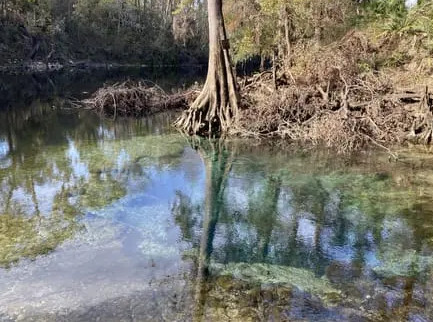
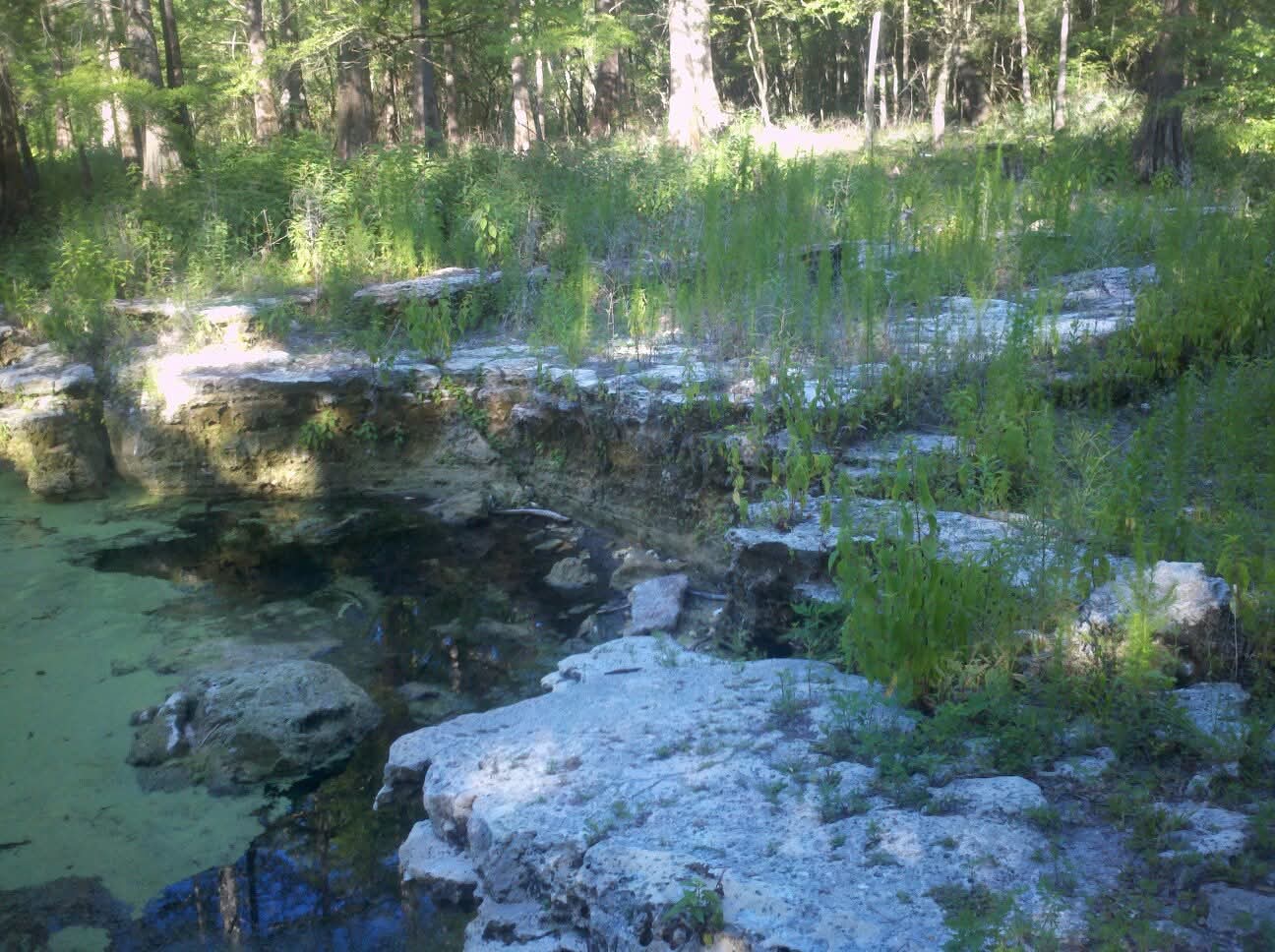
Photo Gallery