
Silver Springs
Location: Marion County, Florida, United States
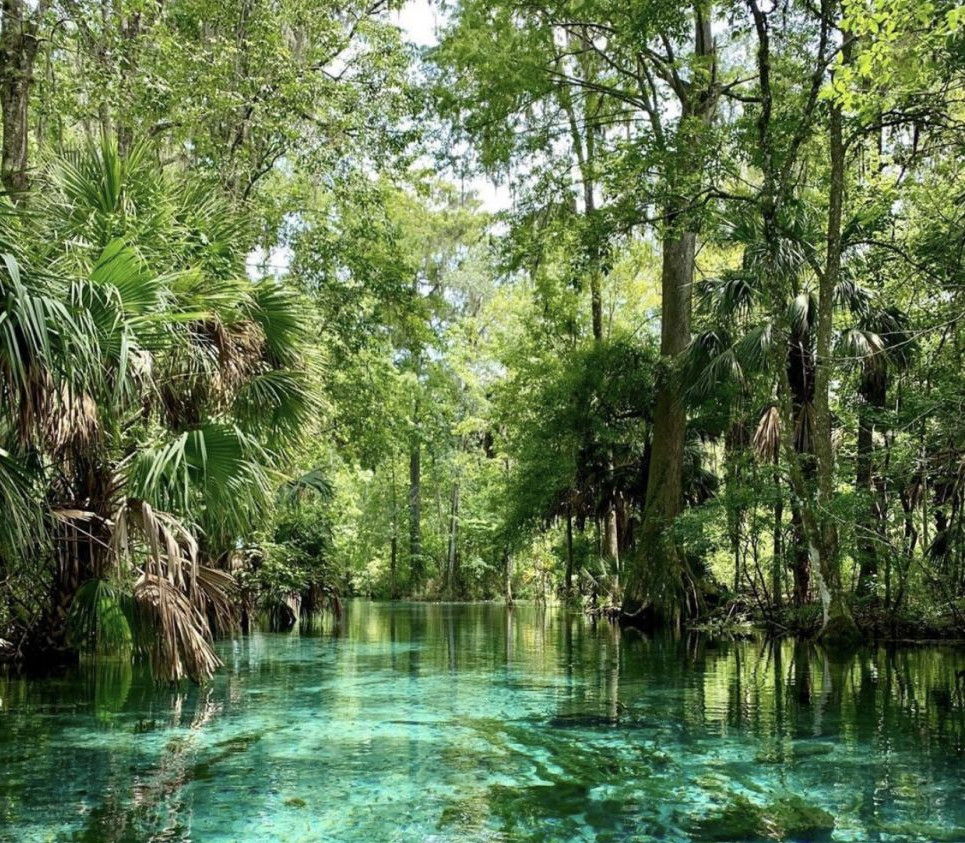
Silver Springs is one of Florida’s most famous natural attractions and among the largest artesian spring systems in the world. Located near Ocala, the spring group produces millions of gallons of crystal-clear water each day, creating the Silver River and providing a remarkable window into the Floridan Aquifer.
For generations, visitors have traveled to Silver Springs to experience its famous glass-bottom boat tours, abundant wildlife, and exceptionally clear water. The spring has also served as the backdrop for numerous films, television productions, and documentaries, helping establish its reputation as one of Florida’s most iconic natural destinations.
Today, Silver Springs State Park attracts paddlers, hikers, wildlife enthusiasts, photographers, and nature lovers from around the world.
FREE FLORIDA SPRINGS GUIDE
Want to discover more of Florida’s hidden waterways?
Download The 25 Most Notable Springs and Cave Systems in Florida and explore some of the state’s most remarkable spring basins, underwater cave systems, and hidden natural treasures.
✓ Featured springs throughout Florida
✓ Cave systems and exploration highlights
✓ Popular destinations and hidden gems
✓ Instant download
Silver Springs offers one of the most popular paddling experiences in Florida. Kayakers, canoeists, and paddleboarders can launch within Silver Springs State Park and explore the clear waters of the Silver River as it winds through forests and wetlands downstream of the spring basin.
While paddling, watch for turtles, alligators, wading birds, fish, manatees during colder months, and the area’s famous rhesus macaques. The combination of crystal-clear water, abundant wildlife, and scenic surroundings makes Silver Springs one of Florida’s premier paddling destinations.
Geological Context
Silver Springs is fed by a large group of artesian spring vents connected to the Floridan Aquifer. Groundwater emerging through limestone conduits reaches the surface with remarkable clarity, allowing visitors to see underwater features that are often hidden in other river systems.
The spring group consists of numerous vents that collectively discharge vast quantities of groundwater into the Silver River. The clarity of the water allows visitors to observe fish, turtles, aquatic vegetation, and limestone formations beneath the surface.
Like many of Florida’s springs, Silver Springs developed through karst processes that dissolved the underlying limestone over thousands of years.
Structure & Layout
Rather than a single spring vent, Silver Springs consists of a large collection of individual spring openings that combine to form one of Florida’s most productive spring systems.
These vents vary in size and depth and are visible from both glass-bottom boats and paddling routes throughout the spring basin.
Water emerging from Silver Springs forms the Silver River, a spring-fed waterway known for its clear water, abundant wildlife, and scenic beauty. The river provides opportunities for paddling, wildlife viewing, and photography.
The Silver River eventually joins the Ocklawaha River, becoming part of a larger watershed that ultimately connects to the St. Johns River system.
Historical Significance
Silver Springs has attracted visitors for thousands of years. Native American communities utilized the spring long before European settlement, recognizing its importance as a source of fresh water and natural resources.
In the late nineteenth century, Silver Springs became one of Florida’s earliest tourist attractions. The development of glass-bottom boats allowed visitors to view the underwater world beneath the spring, creating a unique attraction that remains popular today.
During the twentieth century, the spring served as a filming location for numerous movies and television programs, including underwater adventure films and television series that showcased Florida’s natural beauty.
Wildlife
Silver Springs supports a diverse ecosystem that includes fish, turtles, alligators, manatees, river otters, wading birds, and numerous other species. The spring’s clear water and abundant aquatic vegetation provide habitat for a wide variety of wildlife, making the area one of Florida’s premier destinations for nature observation.
One of the most unusual residents of Silver Springs is a population of free-ranging rhesus macaques. The monkeys were introduced during the 1930s by a tour boat operator who hoped to create a “jungle cruise” experience for visitors. Believing the monkeys would remain confined, he released them on an island within the Silver River. Unfortunately for his plan, rhesus macaques are capable swimmers. Over time, many of the monkeys left the island and established populations throughout the surrounding forests and river corridors.
Today, the monkeys remain one of Silver Springs’ most recognizable attractions. Visitors frequently observe them along the riverbanks while paddling or taking boat tours. Over the decades, sightings have been reported far beyond Silver Springs, with individual monkeys and small groups occasionally observed throughout North Florida, including areas near Tallahassee. Although popular with photographers and tourists, the monkeys are wild animals and should always be viewed from a safe distance without attempting to feed or approach them.
Hydrological Characteristics
Silver Springs is one of Florida’s largest groundwater discharge systems. Water emerging from the Floridan Aquifer flows through numerous spring vents before forming the Silver River.
The exceptional clarity of the water results from natural filtration through limestone and sand layers within the aquifer. This clarity allows visitors to observe underwater features that provide insight into Florida’s hidden groundwater systems.
The spring serves as an important example of the relationship between groundwater, surface water, and Florida’s karst geology.
Spring Data
Unlike many of Florida’s cave-diving destinations, Silver Springs is not generally known for recreational scuba diving. The spring’s significance lies in its remarkable water clarity, numerous spring vents, and historical importance rather than extensive public access to underwater cave systems.
Most visitors experience the spring through glass-bottom boat tours, paddling excursions, wildlife observation, and photography rather than diving activities.
Current Status
- Glass-bottom boat tours
- Paddling excursions
- Hiking trails
- Wildlife observation opportunities
Ongoing conservation and research efforts help improve understanding of the spring system and the groundwater resources that sustain it.
Today, Silver Springs continues to introduce new generations of visitors to the hidden world of Florida’s springs and aquifer systems.
The Hidden Rivers of Florida documents the springs, rivers, sinkholes, caves, and groundwater systems that shape Florida’s landscape. Through exploration, photography, research, and firsthand observation, the project seeks to connect visitors with the hidden waterways flowing beneath the state.
Frequently Asked Questions
Silver Springs is famous for its crystal-clear water, glass-bottom boat tours, abundant wildlife, and status as one of Florida’s oldest tourist attractions.
Yes. A population of wild rhesus macaques lives along portions of the Silver River. The monkeys are descendants of animals introduced during the 1930s and can occasionally be observed from the water.
In many areas, yes. The spring’s exceptional water clarity allows visitors to see fish, vegetation, limestone formations, and spring vents beneath the surface.
Glass-bottom boats allow visitors to view the underwater environment through transparent panels in the floor of the vessel. Silver Springs is famous for offering these tours.
Yes. Kayaks, canoes, and paddleboards are popular ways to explore the Silver River and observe the area’s wildlife and spring-fed waters.
Yes. Silver Springs is fed by groundwater emerging from the Floridan Aquifer through numerous spring vents.
The rhesus macaques are wild animals and should never be approached, fed, or handled. Visitors should observe them from a safe distance and follow park regulations.
Continue Exploring Florida’s Hidden Waters
If you enjoyed the information about this springs, you’ll love the free guide:
The 25 Most Notable Springs and Cave Systems in Florida
From world-famous destinations like Wakulla, Jackson Blue Spring, and Peacock Springs to lesser-known hidden gems, this guide introduces some of Florida’s most fascinating natural wonders.
Download your free copy and continue exploring beyond the surface.
Get the Free Guide →Nearby Springs
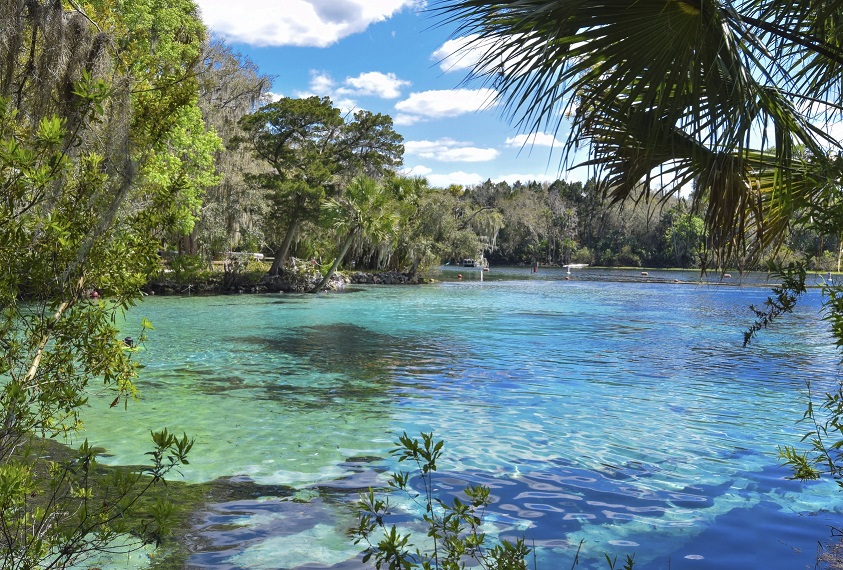
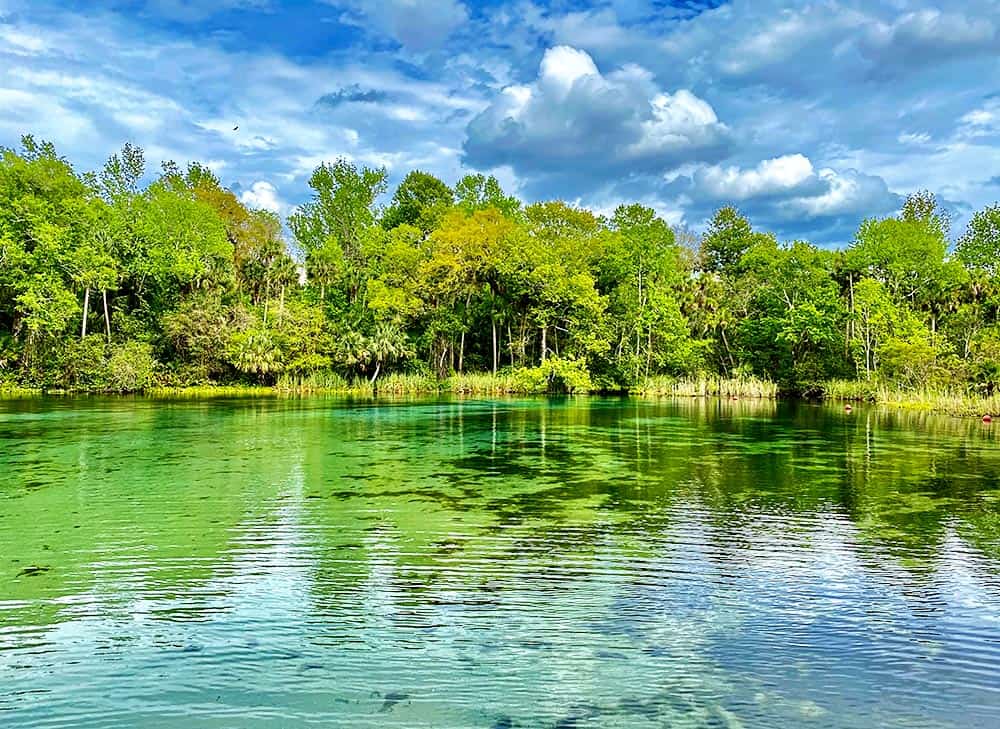
Photo Gallery
Coming soon