
Little Devil’s Spring
Location: Gilchrist County, Florida, United States
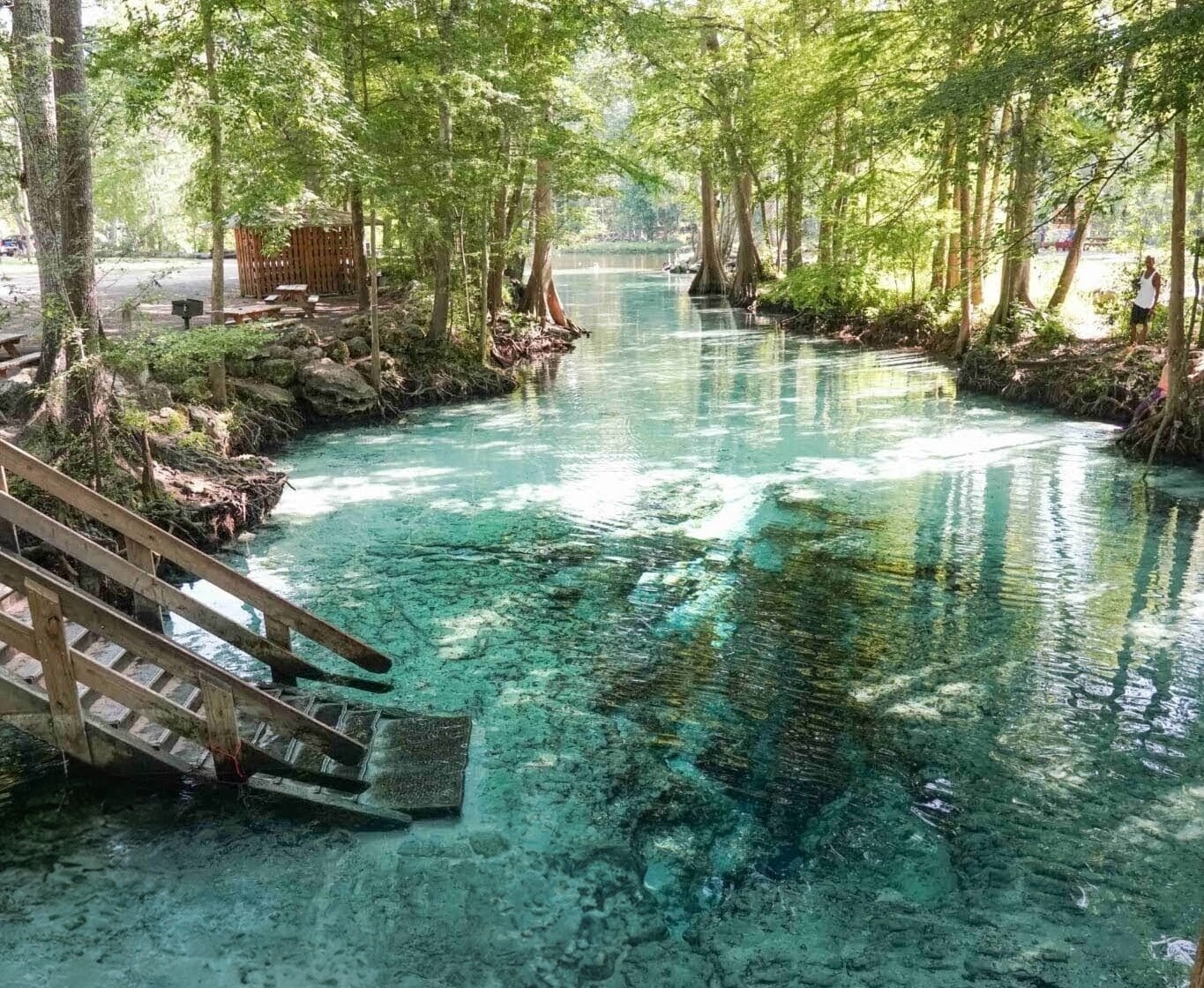
Little Devil’s Spring is located at the head of the spring run of the Devil’s Spring System. It feeds the short spring run that connects to Devil’s Eye and Devil’s Ear before joining the Santa Fe River. Although overshadowed by its more famous neighbors, Little Devil’s is a significant spring in its own right, featuring a large spring vent and a short but challenging cave system that sees very few visitors.
Little Devil’s Spring is located near High Springs, Florida, in the Santa Fe River Basin. It serves as the primary source of water for the spring run that flows downstream over the Devil’s Eye and Devil’s Ear spring vents before entering the Santa Fe River.
Unlike Devil’s Eye and Devil’s Ear, which are well known among both recreational and cave divers, Little Devil’s receives relatively little attention. The spring vent is broad and visually impressive, but the underwater cave is short and contains a significant restriction that limits access. As a result, even experienced cave divers seldom visit the system.
- Little Devil’s Spring (current page)
- Devil’s Eye & Ear
FREE FLORIDA SPRINGS GUIDE
Want to discover more of Florida’s hidden waterways?
Download The 25 Most Notable Springs and Cave Systems in Florida and explore some of the state’s most remarkable spring basins, underwater cave systems, and hidden natural treasures.
✓ Featured springs throughout Florida
✓ Cave systems and exploration highlights
✓ Popular destinations and hidden gems
✓ Instant download
Kayakers, canoeists, and paddleboarders can access Little Devil’s Spring from the Santa Fe River. The spring run connecting the cave system to the river provides clear water, abundant aquatic vegetation, and opportunities to observe fish and wildlife.
Paddlers approaching from the river can easily identify the spring run by the striking contrast between the clear spring water and the darker tannic water of the Santa Fe River. Little Devil’s Spring is at the head of the run.
The land surround the spring run is private property and requires an entry fee to access. If you visit the spring run, you must remain in the water.
Geological Context
Like the other springs within Ginnie Springs, Little Devil’s is fed by the Floridan Aquifer. Groundwater moving through fractures and solution passages within the Ocala Limestone emerges through the spring vent before flowing downstream over the interconnected Devil’s Cave System.
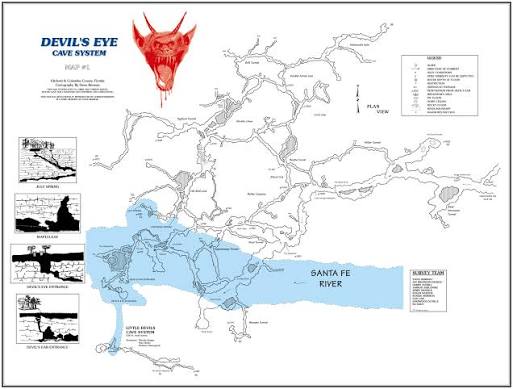
The spring occupies the farthest point in the spring run and serves as its main source. The water from Little Devil’s Spring passes over the Devil’s Eye and Ear openings before joining the Santa Fe River. Together, these openings represent different expressions of the same groundwater conduit.
Structure & Layout
Little Devil’s consists of a large spring vent that opens into a submerged limestone passage.
Unlike Devil’s Eye and Devil’s Ear, no cavern zone attracts recreational divers or swimmers. Instead, the cave begins almost immediately beneath the spring opening.
The explored passage extends approximately 432 feet (132 meters) from the entrance and reaches a maximum depth of just over 70 feet (21 meters).
Near the end of the explored cave, a no-mount restriction prevents further progress while wearing scuba cylinders. Divers wishing to continue beyond the restriction must remove their equipment, making this section appropriate only for highly experienced cave divers trained in specialized no-mount techniques.
Because of this restriction and the cave’s relatively limited length, Little Devil’s receives very little diver traffic.
Hydrological Characteristics
Little Devil’s provides a significant portion of the groundwater flowing through the Devil’s spring run.
Water emerging from the spring flows through the short spring run before passing over Devil’s Eye and Devil’s Ear and discharging into the Santa Fe River.
Like the rest of the Ginnie Springs complex, the spring maintains excellent water clarity under normal conditions due to the constant discharge from the Floridan Aquifer. Heavy rainfall and elevated river levels can temporarily affect visibility within the basin.
Exploration History
Little Devil’s has long been recognized as one of the three principal openings associated with the Devil’s Cave System.
While Devil’s Eye and Devil’s Ear became internationally known through exploration, training, and recreational cave diving, Little Devil’s has remained largely overlooked. Its relatively short passage and terminal no-mount restriction offer little incentive for repeated exploration compared to the miles of surveyed passage accessible through the neighboring entrances.
As a result, Little Devil’s remains one of the least-dived caves within the Ginnie Springs property despite its connection to one of the world’s most famous cave systems.
Cave Data
Little Devil’s is suitable only for certified cave divers with appropriate overhead-environment training.
Unlike Devil’s Eye and Devil’s Ear, the system is not commonly used for cave training or long penetrations. Instead, it attracts experienced cave divers interested in visiting every component of the Devil’s Cave System.
The no-mount restriction near the end of the cave significantly limits exploration and contributes to the spring’s low visitation rate.
Current Status
Little Devil’s remains one of the least visited areas within Ginnie Springs.
Although thousands of visitors pass nearby each year, relatively few stop at the spring, and even fewer cave divers explore its submerged passage.
The Hidden Rivers of Florida documents the springs, rivers, sinkholes, caves, and groundwater systems that shape Florida’s landscape. Through exploration, photography, research, and firsthand observation, the project seeks to connect visitors with the hidden waterways flowing beneath the state.
Frequently Asked Questions
Little Devil’s Spring is the upstream spring that feeds the Devil’s Cave System spring run within Ginnie Springs.
Little Devil’s is believed to be part of the same system due to its proximity to the Devil’s Eye and Devil’s Ear openings. However, a connection has not been established.
The explored passage extends approximately 432 feet (132 meters). The additional passages place the spring at close to 600 feet (180 meters) in length.
The cave reaches a maximum depth of just over 70 feet (21 meters).
No. The cave is suitable only for certified cave divers with experience in no mount diving.
The cave is relatively short and terminates just beyond a significant no-mount restriction. Most cave divers visiting Ginnie Springs instead explore the much longer passages accessible through Devil’s Eye or Devil’s Ear.
Continue Exploring Florida’s Hidden Waters
If you enjoyed the information about this springs, you’ll love the free guide:
The 25 Most Notable Springs and Cave Systems in Florida
From world-famous destinations like Wakulla, Jackson Blue Spring, and Peacock Springs to lesser-known hidden gems, this guide introduces some of Florida’s most fascinating natural wonders.
Download your free copy and continue exploring beyond the surface.
Get the Free Guide →Nearby Springs
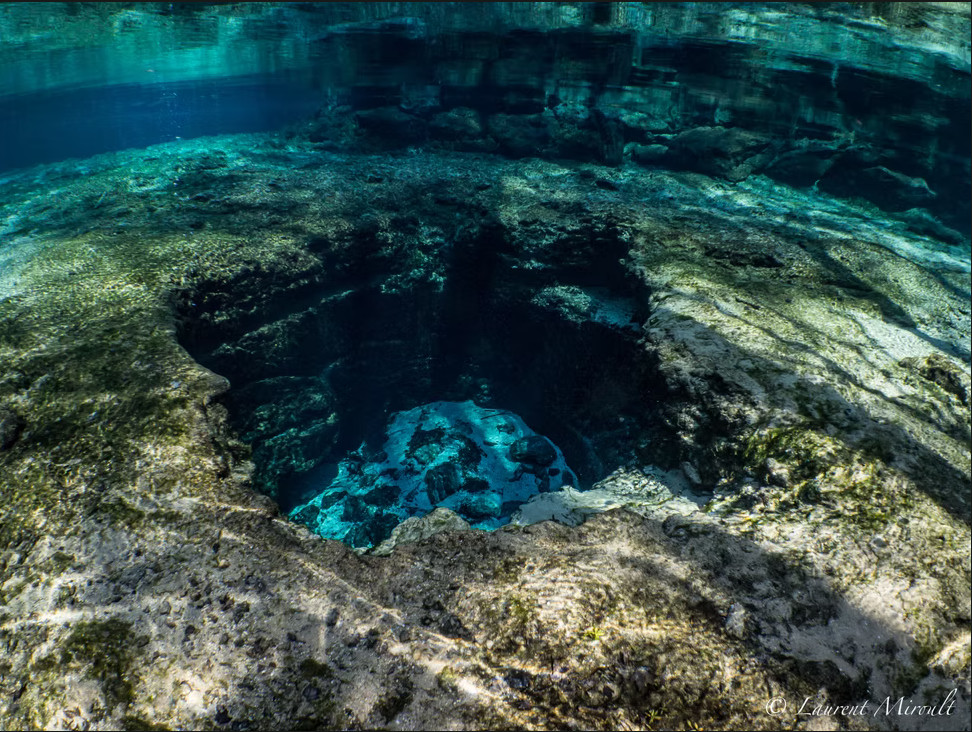
Photo Gallery
Coming soon