
Hornsby Spring
Location: Alachua County, Florida, United States
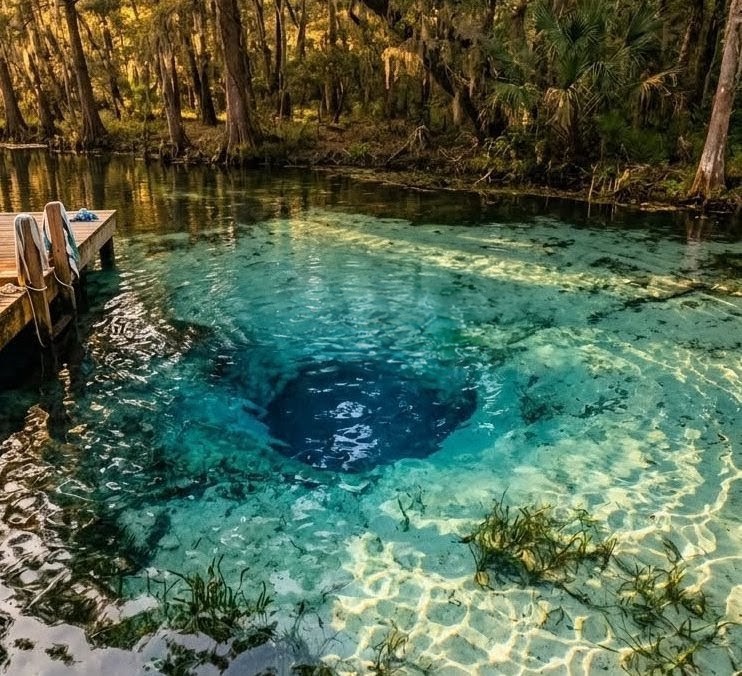
Hornsby Spring is located along the Santa Fe River near High Springs, Florida. Once classified as a first-magnitude spring, declining groundwater discharge has reduced its average flow below the first-magnitude threshold. Despite this decline, Hornsby remains one of the most historically and environmentally significant springs in the Santa Fe River Basin.
Fed by the Floridan Aquifer, the spring discharges through a limestone vent into a scenic, mile-long spring run before joining the Santa Fe River. Beneath the spring lies an underwater cave system explored by generations of cave divers, while the surrounding landscape preserves evidence of human activity dating back thousands of years.
Today, Hornsby Spring tells two stories. One of Florida’s prehistoric past and another of the modern challenges facing the state’s springs through groundwater withdrawals and nutrient pollution.
FREE FLORIDA SPRINGS GUIDE
Want to discover more of Florida’s hidden waterways?
Download The 25 Most Notable Springs and Cave Systems in Florida and explore some of the state’s most remarkable spring basins, underwater cave systems, and hidden natural treasures.
✓ Featured springs throughout Florida
✓ Cave systems and exploration highlights
✓ Popular destinations and hidden gems
✓ Instant download
Although Hornsby Spring is surrounded by the private property of Camp Kulaqua, paddlers can still visit the spring by canoe or kayak from the Santa Fe River. The mile-long spring run provides public navigable access to the basin, allowing visitors to enjoy the scenic surroundings without crossing private land.
Visitors should respect private property by remaining on the water unless they have permission to enter Camp Kulaqua. The spring itself is part of the retreat center, and land access is restricted to camp guests and authorized visitors.
Geological Context
Like many springs throughout North Florida, Hornsby Spring is part of the Floridan Aquifer, one of the world’s most productive groundwater systems. Over millions of years, slightly acidic groundwater dissolved the underlying limestone, creating an intricate network of conduits and caves that transport groundwater beneath the Santa Fe River Basin.
Historically, Hornsby Spring discharged enough water to earn first-magnitude status. Today, reduced groundwater levels caused largely by aquifer withdrawals have significantly decreased the spring’s average discharge, illustrating the close relationship between groundwater use and spring health.
Structure & Layout
Hornsby Spring emerges into a limestone basin surrounded by mature hardwood forest. The basin serves as the source of a beautiful spring run that winds approximately one mile before entering the Santa Fe River.
The spring run is slow-moving and remarkably clear under normal flow conditions. Its gentle current makes it a popular destination for paddlers exploring the Santa Fe River.
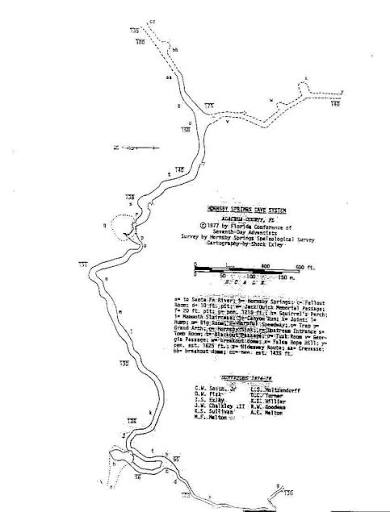
Beneath the basin lies an underwater cave system developed within the Ocala Limestone. Large passages that once boasted excellent visibility and steady flow have made Hornsby a favorite destination for Florida cave divers.
Exploration History
Hornsby Spring long attracted cave explorers interested in documenting the groundwater systems beneath the Santa Fe River Basin. Survey teams mapped significant portions of the cave while contributing valuable information about regional groundwater flow and karst development.
Archaeological Significance
Long before European settlement, Hornsby Spring was an important gathering place for prehistoric people. Archaeological excavations have uncovered mastodon fossils, stone tools, and other artifacts preserved within and around the spring basin.
These discoveries indicate that people visited the spring thousands of years ago, relying on its dependable freshwater supply and the wildlife it attracted. Researchers believe prehistoric hunters may have used the spring as a natural trap, herding large animals such as mastodons toward the water where they could be more easily hunted. The combination of extinct animal remains and human-made tools makes Hornsby Spring one of the more significant archaeological sites associated with Florida’s springs.
Hydrological Characteristics
Hornsby Spring is fed by groundwater from the Floridan Aquifer and discharges into the Santa Fe River through its mile-long spring run.
Historically classified as a first-magnitude spring, Hornsby’s average discharge has steadily declined due to groundwater withdrawals from the Floridan Aquifer. In 2003, the spring stopped flowing entirely for a period and may have temporarily functioned as a siphon – an unusual event highlighting the sensitivity of Florida’s karst groundwater systems.
Water-quality studies also identified elevated nitrate and phosphate concentrations, sewage contamination, and resulting algae blooms. These conditions degraded water quality, damaged native vegetation, and raised concerns about human health and the long-term ecological condition of the spring.
Cave Data
Due to the change in status from a first-magnitude spring to a stagnant spring, Hornsby no longer offers suitable conditions for diving. While the spring basin is in navigable waterway, the surrounding property is privately owned and diving is typically only allowed with special permission.
Current Status
Hornsby Spring is located within Camp Kulaqua, a private Christian retreat and conference center. Public land access is generally restricted, but paddlers may legally reach the spring by canoe or kayak via the Santa Fe River and its mile-long spring run. Visitors should remain on the navigable waterway unless they have permission to enter the surrounding private property.
Environmental concerns have dramatically changed the spring over the past several decades. Declining aquifer levels reduced its discharge below first-magnitude status, while nutrient pollution from sewage and wastewater contributed to algae blooms and declining water quality.
In 2015, the Florida Department of Environmental Protection (DEP) and the Suwannee River Water Management District (SRWMD) initiated restoration efforts aimed at reducing sewage and wastewater entering the Santa Fe River watershed. These projects have focused on reducing nutrient pollution, improving water quality, and protecting the Floridan Aquifer that supplies Hornsby Spring.
Although the spring faces ongoing environmental challenges, it remains an important reminder of both the vulnerability and resilience of Florida’s spring ecosystems.
The Hidden Rivers of Florida documents the springs, rivers, sinkholes, caves, and groundwater systems that shape Florida’s landscape. Through exploration, photography, research, and firsthand observation, the project seeks to connect visitors with the hidden waterways flowing beneath the state.
Frequently Asked Questions
Hornsby Spring is located near High Springs in Alachua County, Florida, where it discharges into the Santa Fe River.
Yes. Hornsby was historically classified as a first-magnitude spring, but declining groundwater discharge has reduced its average flow below that threshold.
Yes. While land access is generally restricted because the spring is located within Camp Kulaqua, visitors may reach the spring by canoe or kayak from the Santa Fe River.
Swimming is limited because the spring is located on private property, and historical water-quality issues have affected recreational use.
Yes. An underwater cave system lies beneath the spring and is accessible only to certified cave divers. However, conditions have been less than optimal over the past couple of decades.
Archaeologists have discovered mastodon fossils, prehistoric stone tools, and other artifacts at the spring, indicating it served as an important location for prehistoric people thousands of years ago.
In 2003, declining groundwater levels caused the spring to temporarily stop flowing and may have allowed it to function as a siphon. The event highlighted the effects of groundwater withdrawals on Florida’s aquifer system.
Since 2015, the Florida Department of Environmental Protection and the Suwannee River Water Management District have worked to reduce sewage and wastewater entering the Santa Fe River watershed, improving water quality and helping protect Hornsby Spring.
Continue Exploring Florida’s Hidden Waters
If you enjoyed the information about this springs, you’ll love the free guide:
The 25 Most Notable Springs and Cave Systems in Florida
From world-famous destinations like Wakulla, Jackson Blue Spring, and Peacock Springs to lesser-known hidden gems, this guide introduces some of Florida’s most fascinating natural wonders.
Download your free copy and continue exploring beyond the surface.
Get the Free Guide →Nearby Springs
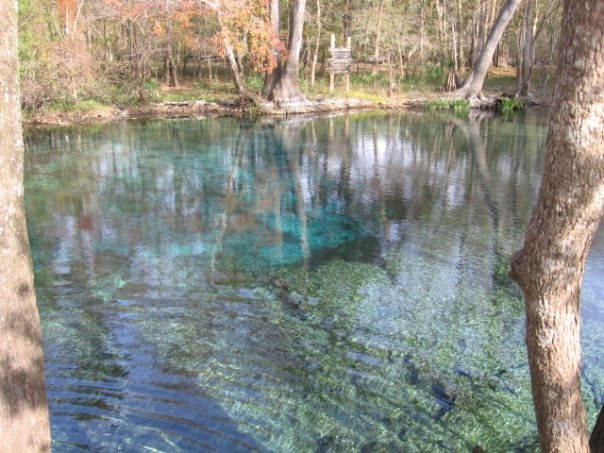
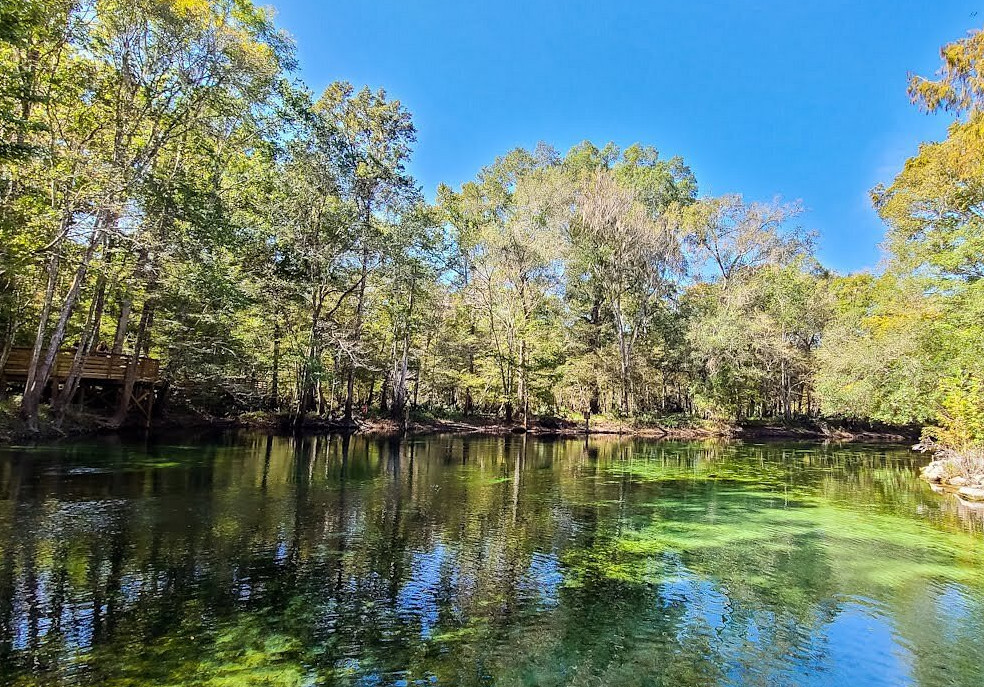
Photo Gallery
Coming soon