
Suwannee River Basin
Overview
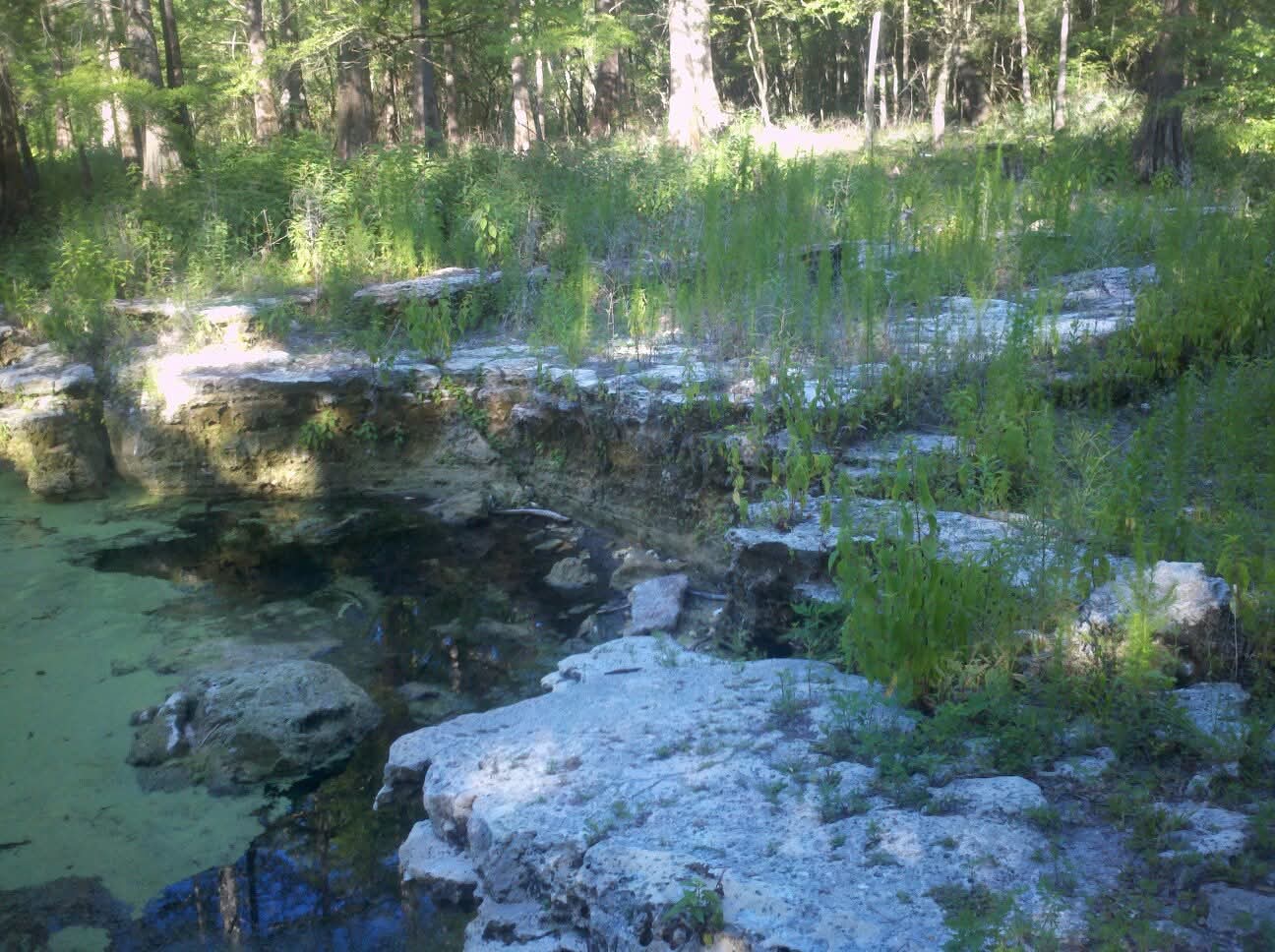
The Suwannee River Basin contains one of the most extensive concentrations of underwater cave systems in North America. Extending across north Florida and south Georgia, the basin encompasses numerous first-magnitude springs, karst windows, sinkholes, and submerged conduits that transport groundwater through the Floridan Aquifer before discharging into the Suwannee River and its tributaries.
The region’s porous limestone geology has produced hundreds of springs and many miles of mapped underwater cave passage. These systems range from small spring vents to complex cave networks that extend for miles beneath forests, rivers, and rural landscapes.
Today, the Suwannee River Basin is recognized as one of the world’s premier destinations for cave exploration, scientific research, and technical diving.
Geological Context
Karst Development
The basin is underlain by limestone formations deposited during periods when much of Florida was covered by shallow seas. Over millions of years, slightly acidic groundwater dissolved portions of the limestone, creating an interconnected network of fractures, conduits, and caves.
As these passages enlarged, groundwater flow became concentrated within underground drainage systems. Collapse of cave ceilings formed sinkholes and spring basins, while surviving conduits evolved into the underwater cave systems explored today.
The Floridan Aquifer
The Floridan Aquifer serves as the primary groundwater source throughout the region. Rainfall infiltrates the limestone and moves through an extensive subsurface network before emerging at springs along the Suwannee River and its tributaries.
Many of the basin’s cave systems represent accessible portions of this larger groundwater flow network.
Major Cave Diving Regions
- Wes Skiles Peacock Springs State Park
- Madison Blue Spring
- Manatee Blue Spring
- Little River Spring
- Pot Spring
- Convict Spring
- Royal Spring
- Lafayette Blue Spring
- Cow Spring
- Telford Spring
- Luraville Spring
- Bonnet Spring
- Troy Spring
Wes Skiles Peacock Springs State Park
Peacock Springs is among the most visited cave-diving destinations in Florida. The park contains multiple entrances connected by an extensive underwater cave system that has played a significant role in cave-diving training, exploration, and survey projects.
Its clear water, accessible entrances, and extensive mapped passages have made Peacock Springs a cornerstone of modern cave diving.
Madison Blue Spring
Located along the Withlacoochee River, Madison Blue Spring features a large spring basin leading to a substantial underwater cave system. The site is known for strong flow conditions and exceptional visibility.
Manatee Blue Spring
Manatee Blue Spring is one of the largest springs within the Withlacoochee River Basin and serves as an important discharge point for groundwater moving through the Floridan Aquifer. The spring provides access to an underwater cave system that has been explored and surveyed for thousands of feet beneath the surrounding landscape.
Its combination of strong flow, clear water, and extensive underwater passage has made Manatee Spring an important site for cave exploration and groundwater research.
Catfish Hotel
Catfish Hotel is another window into the Manatee Blue Springs cave system. It is a submerged karst feature connected to the basin’s broader groundwater network. Although smaller than some of the region’s major cave systems, it contributes to understanding groundwater movement and cave development within the basin.
Little River Spring
Little River Spring contains one of the largest spring basins in the region and provides access to an extensive cave system that has been the focus of numerous exploration efforts.
Pot Spring
Located near Madison Blue Spring, Pot Spring is part of the extensive karst landscape that characterizes the Suwannee River Basin. The spring provides access to an underwater cave system connected to the region’s broader groundwater network. Although less frequently visited than some neighboring sites, Pot Spring contributes to the understanding of groundwater flow, cave development, and the hydrogeology of the Floridan Aquifer.
Convict Spring
Convict Spring is a first-magnitude spring located within the Suwannee River Basin. The spring provides access to an extensive underwater cave system that has been explored and surveyed by cave divers for decades. Its clear water and significant discharge make it an important component of the basin’s groundwater network.
Royal Spring
Royal Spring emerges near the Suwannee River and serves as another window into the region’s karst landscape. Beneath the surface, underwater passages extend into the limestone aquifer, contributing to the growing understanding of groundwater flow and cave development within the basin.
Lafayette Blue Spring
Lafayette Blue Spring is one of the most significant cave-diving destinations within the Suwannee River Basin. Beneath the spring basin lies an extensive underwater cave system that connects to multiple karst features throughout the surrounding area, including Green Sink and several other sinkhole entrances. These interconnected openings provide access to different portions of the same groundwater network and have made the system a focus of exploration, survey, and scientific study. The spring serves as an important discharge point for the Floridan Aquifer while offering insight into the scale and complexity of the basin’s underground drainage systems.
Cow Spring
Cow Spring is a major cave-diving site connected to the broader karst network of the Suwannee Basin. Exploration continues to expand understanding of the system’s relationship to surrounding springs and groundwater flow paths.
Telford Spring
Telford Spring serves as another important access point into the basin’s underground drainage network and has contributed significantly to regional cave exploration projects.
Luraville Spring
Luraville Spring is located near Telford Spring and provides another access point into the same underwater cave system. The spring serves as a separate opening within the basin’s interconnected karst network, offering insight into the complex groundwater pathways that characterize the Suwannee River Basin. Exploration and survey efforts have helped document the relationship between Luraville, Telford, and the surrounding cave passages.
Bonnet Spring
Bonnet Spring is a lesser-known but significant feature within the Suwannee River Basin’s karst terrain. Bonnet Spring was connected to the Peacock Springs cave system in the early 2010s. Like many springs in the region, it reflects the complex interaction between groundwater movement, limestone dissolution, and the development of Florida’s extensive underground cave systems.
Troy Spring
Troy Spring is a first-magnitude spring located along the Suwannee River. While no known underwater cave system has been documented at the site, the spring remains a popular destination for divers due to its clear water and historical significance. The spring run contains the remains of the Civil War-era paddle steamer Madison, which was scuttled in 1863 to prevent its capture by Union forces. Today, the combination of natural beauty and underwater history makes Troy Spring one of the basin’s most distinctive dive sites.
Exploration History
The Suwannee River Basin has played a central role in the development of cave diving in the United States. Beginning with early spring explorations and continuing through modern survey projects, divers have documented hundreds of miles of submerged passage throughout the region.
Numerous discoveries within the basin continue to contribute to hydrogeological research and groundwater management.
Technological advancements in lighting, survey methods, rebreathers, and sidemount configurations have enabled explorers to extend the known boundaries of many systems while improving safety and documentation.
Hydrology
Groundwater movement within the basin is complex and often extends across large distances underground. Dye tracing, water chemistry studies, and cave surveys have demonstrated connections between springs, sinkholes, and river systems that may be separated by many miles on the surface.
These underground pathways influence water quality, spring discharge, and ecosystem health throughout the basin.
Ecological Importance
The springs and cave systems of the Suwannee River Basin support diverse aquatic ecosystems. Many species depend upon the stable temperatures and water quality associated with spring-fed environments.
Protection of groundwater resources remains critical to maintaining the ecological integrity of the basin and preserving these unique habitats for future generations.
Legacy
The Suwannee River Basin represents one of the most significant karst regions in North America. Its springs and underwater cave systems have shaped the history of cave exploration, contributed to scientific understanding of groundwater systems, and continue to attract explorers from around the world.
From Peacock Springs to Madison Blue, Little River, Cow Spring, and countless lesser-known sites, the basin remains a living record of Florida’s hidden underground landscape.
Current Status
The Suwannee River Basin remains one of the most active regions for cave exploration and groundwater research in Florida. Many of the basin’s major cave systems have been surveyed for miles, yet significant portions of the underground drainage network remain unexplored or only partially documented.
Several springs within the basin continue to serve as important destinations for cave divers, researchers, and conservation efforts. Ongoing survey projects, improved mapping techniques, and advancements in diving technology continue to expand knowledge of the region’s interconnected cave systems.
- Groundwater quality
- Aquifer recharge
- Environmental change
Today, the Suwannee River Basin stands as one of North America’s most significant karst regions, offering valuable insight into the complex relationship between groundwater, geology, and cave development.
See also: Maps of Cave Systems in North Florida
Return to Florida Cave Systems
Frequently Asked Questions
The Suwannee River Basin is a large watershed that encompasses portions of north Florida and south Georgia. The basin contains numerous springs, sinkholes, and underwater cave systems connected to the Floridan Aquifer.
The basin contains some of the most extensive and well-known underwater cave systems in North America. Sites such as Peacock Springs, Madison Blue Spring, Lafayette Blue Spring, and Little River Spring have played important roles in cave-diving exploration, training, and research.
Not all springs are directly connected, but many are linked through complex groundwater pathways within the Floridan Aquifer. Scientific studies, cave surveys, and dye tracing have revealed numerous underground connections throughout the region.