
Devil’s Cave System (The Eye and the Ear)
Location: Gilchrist County, Florida, United States
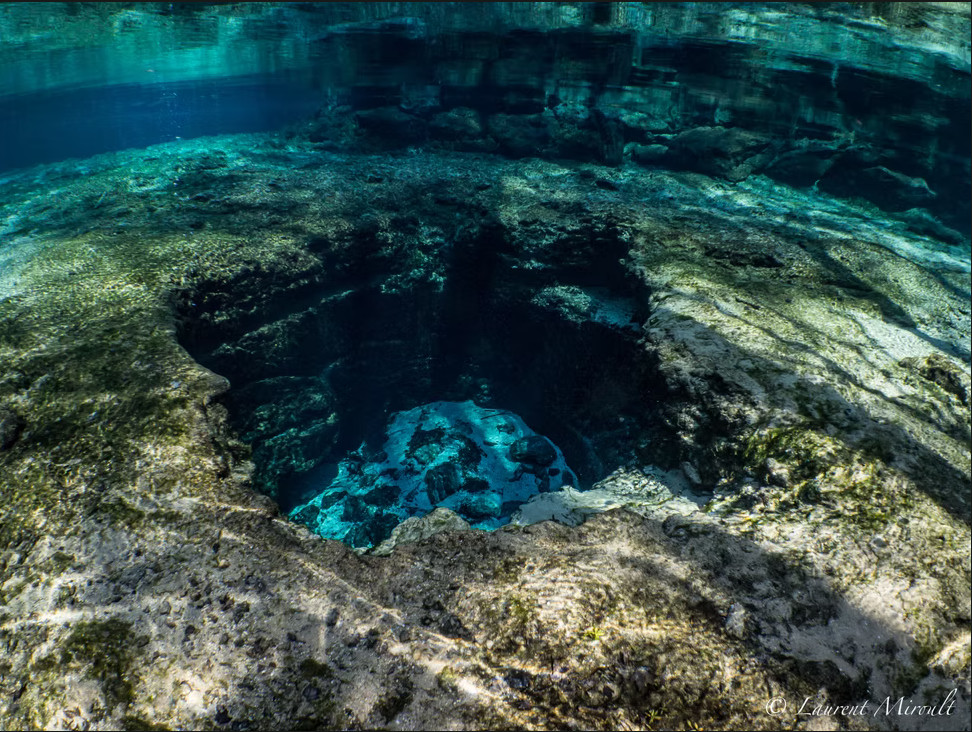
Devil’s Eye and Devil’s Ear are two of the most famous cave-diving entrances in Florida and serve as primary access points to the Devil’s Cave System within the Santa Fe River Basin. Located on the grounds of Ginnie Springs Outdoors near High Springs, Florida, the system attracts cave divers, instructors, explorers, and underwater photographers from around the world.
Accessible both from Ginnie Springs Outdoors and by boat via the Santa Fe River, Devil’s Eye and Devil’s Ear provide access to an extensive underwater cave system known for its clear water, strong flow, and significant role in cave-diving education.
For decades, the system has served as one of North America’s premier training locations for cavern, cave, and technical diving while continuing to reveal new passages through ongoing exploration efforts.
- Little Devil’s Spring
- Devil’s Eye & Ear (current page)
FREE FLORIDA SPRINGS GUIDE
Want to discover more of Florida’s hidden waterways?
Download The 25 Most Notable Springs and Cave Systems in Florida and explore some of the state’s most remarkable spring basins, underwater cave systems, and hidden natural treasures.
✓ Featured springs throughout Florida
✓ Cave systems and exploration highlights
✓ Popular destinations and hidden gems
✓ Instant download
Kayakers, canoeists, and paddleboarders can access Devil’s Ear from the Santa Fe River and observe one of Florida’s most impressive spring vents. The spring run connecting the cave system to the river provides clear water, abundant aquatic vegetation, and opportunities to observe fish and wildlife.
Paddlers approaching from the river can easily identify the spring by the striking contrast between the clear spring water and the darker tannic water of the Santa Fe River.
The land surround the spring run is private property and requires an entry fee to access. If you visit the spring run, you must remain in the water.
Geological Context
The Devil’s Cave System formed within the limestone of the Floridan Aquifer through the gradual dissolution of rock by groundwater over thousands of years.
The system serves as a major groundwater discharge point within the Santa Fe River Basin and represents one of many interconnected cave systems found throughout North Florida. Water emerging from the cave enters the Santa Fe River through a short spring run, creating the distinctive blue water for which the site is known.
The extensive cave development found within the system provides insight into the powerful geological processes responsible for shaping Florida’s hidden rivers.
Structure & layout
Devil’s Ear is located at the end of the spring run where it meets the Santa Fe River. The opening consists of an elongated, oblong spring vent that serves as one of the primary openings of the cave system.
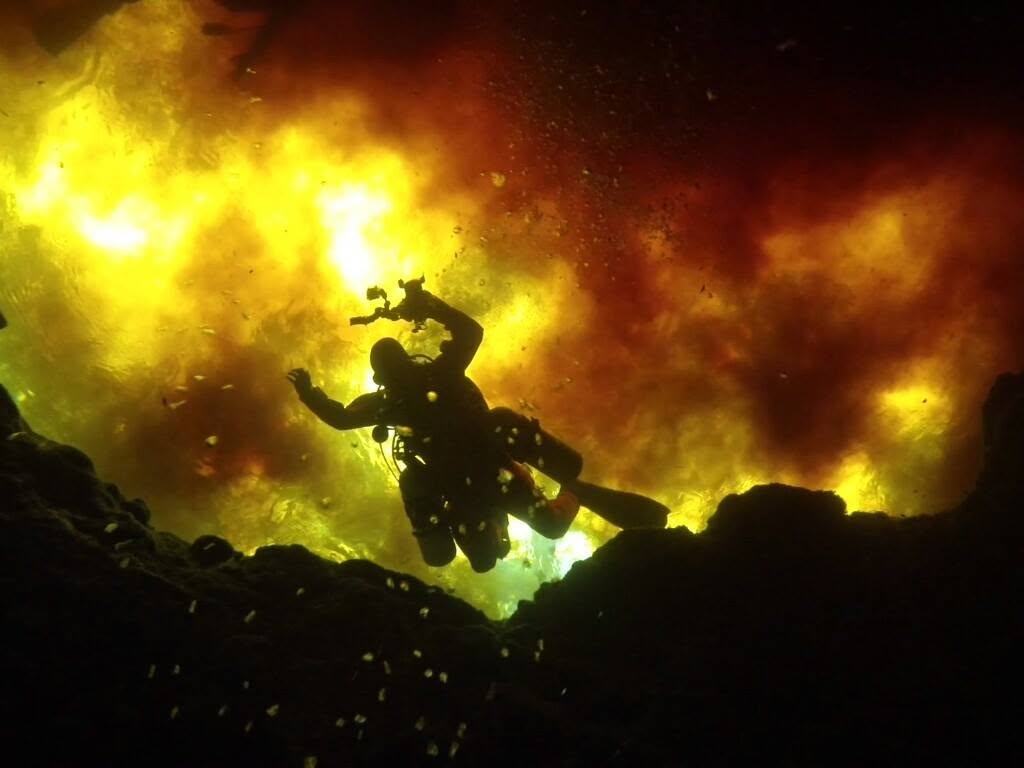
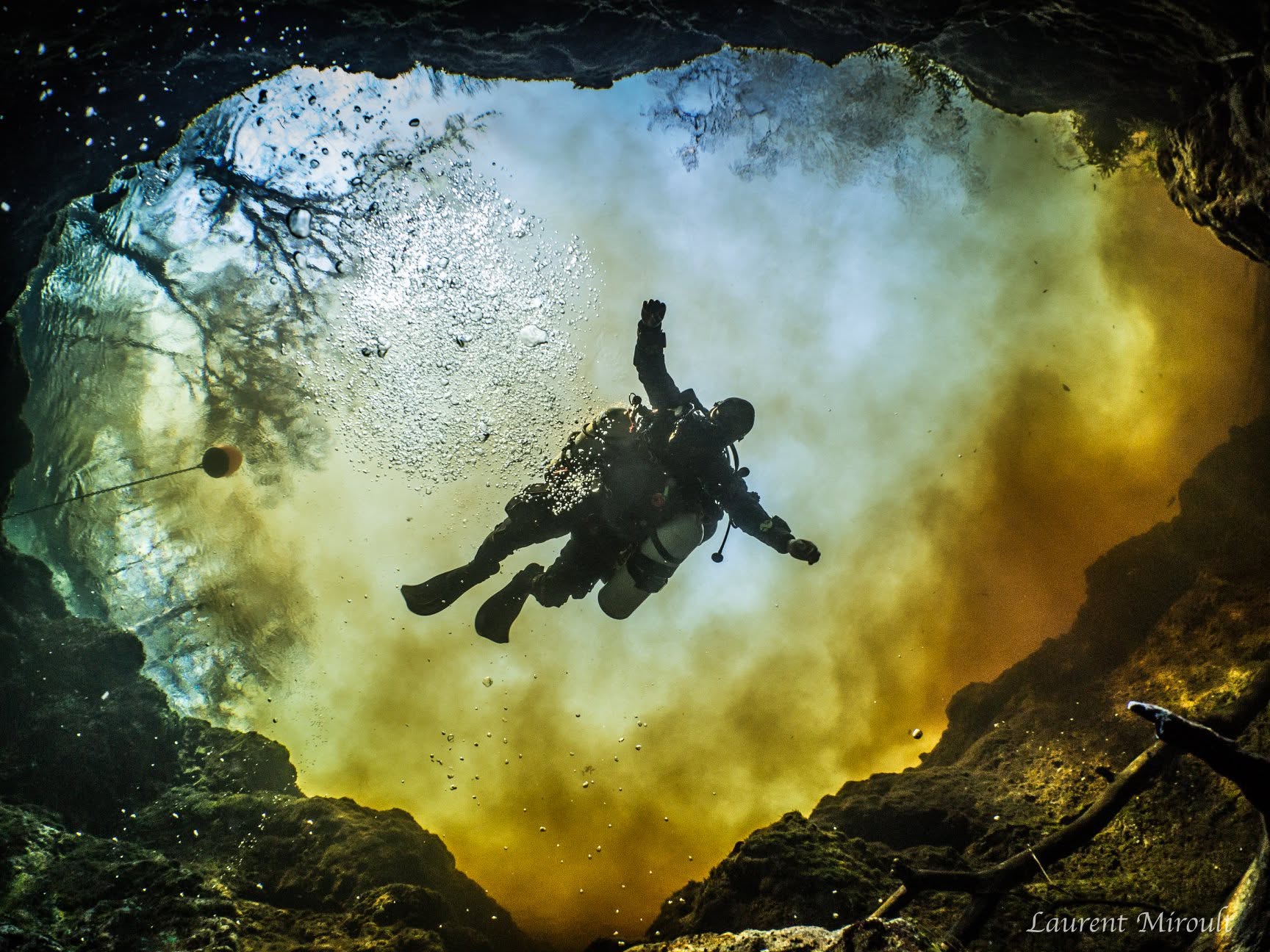
The Ear is famous for its powerful spring flow, which can create a unique visual phenomenon during periods when the Santa Fe River rises above normal levels. As tannic river water begins moving toward the spring run, the strong flow exiting Devil’s Ear pushes it back. From inside the cave, the darker water appears to spill into view like a curtain of blood-colored water suspended above the passage.
This striking contrast between crystal-clear spring water and tannic red river water creates some of the most dramatic photographic opportunities in Florida cave diving.
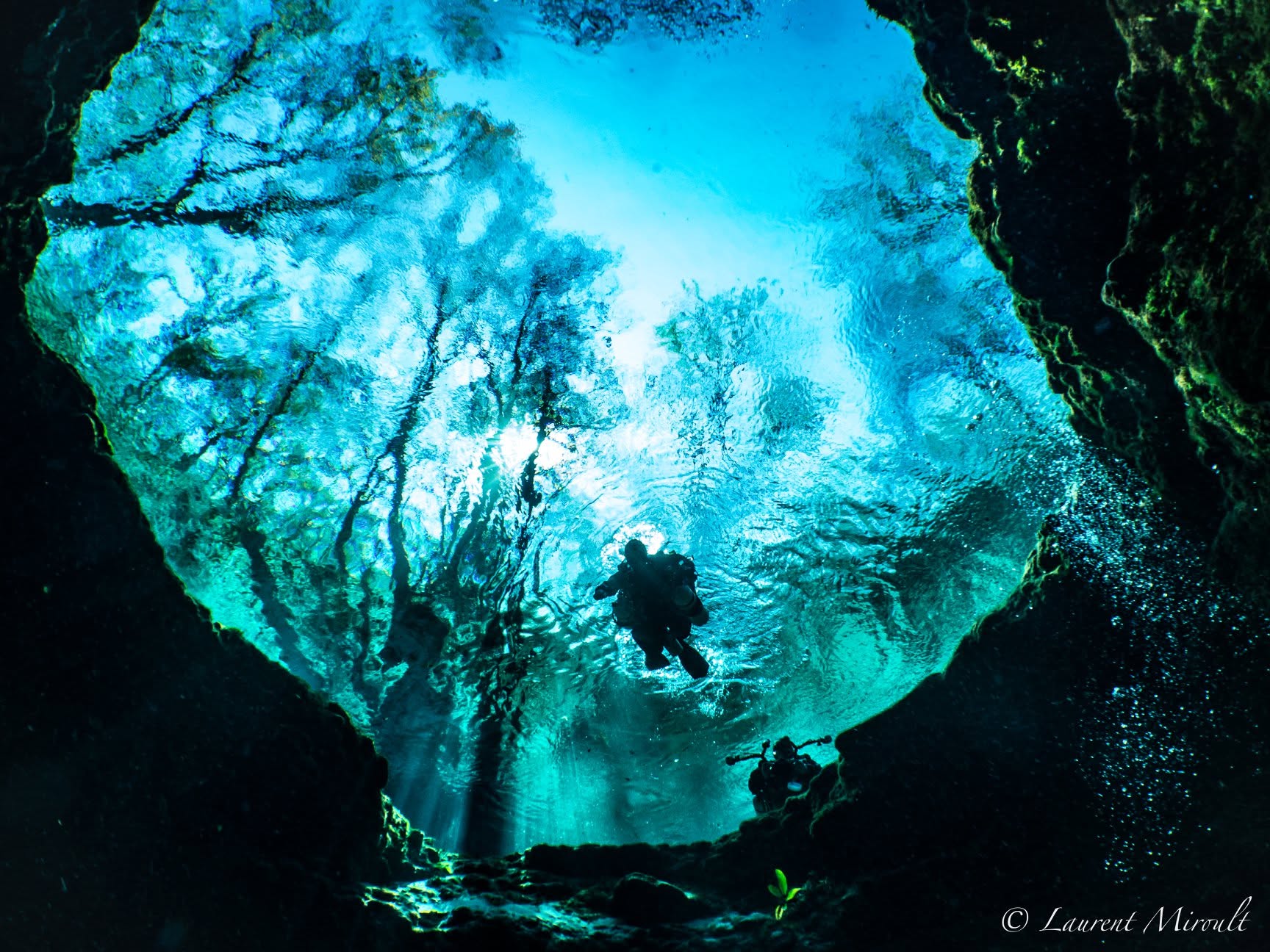
Located approximately fifty feet upstream from the river within the spring run, Devil’s Eye consists of a large oval opening that provides another entrance into the cave system.
Viewed from above, Devil’s Eye and Devil’s Ear resemble the features from which they derive their names. The Eye’s oval shape contrasts with the elongated Ear, creating one of the most recognizable spring formations in Florida.
The Eye provides direct access to the main cave system and is commonly used by cave divers and instructors conducting training dives.
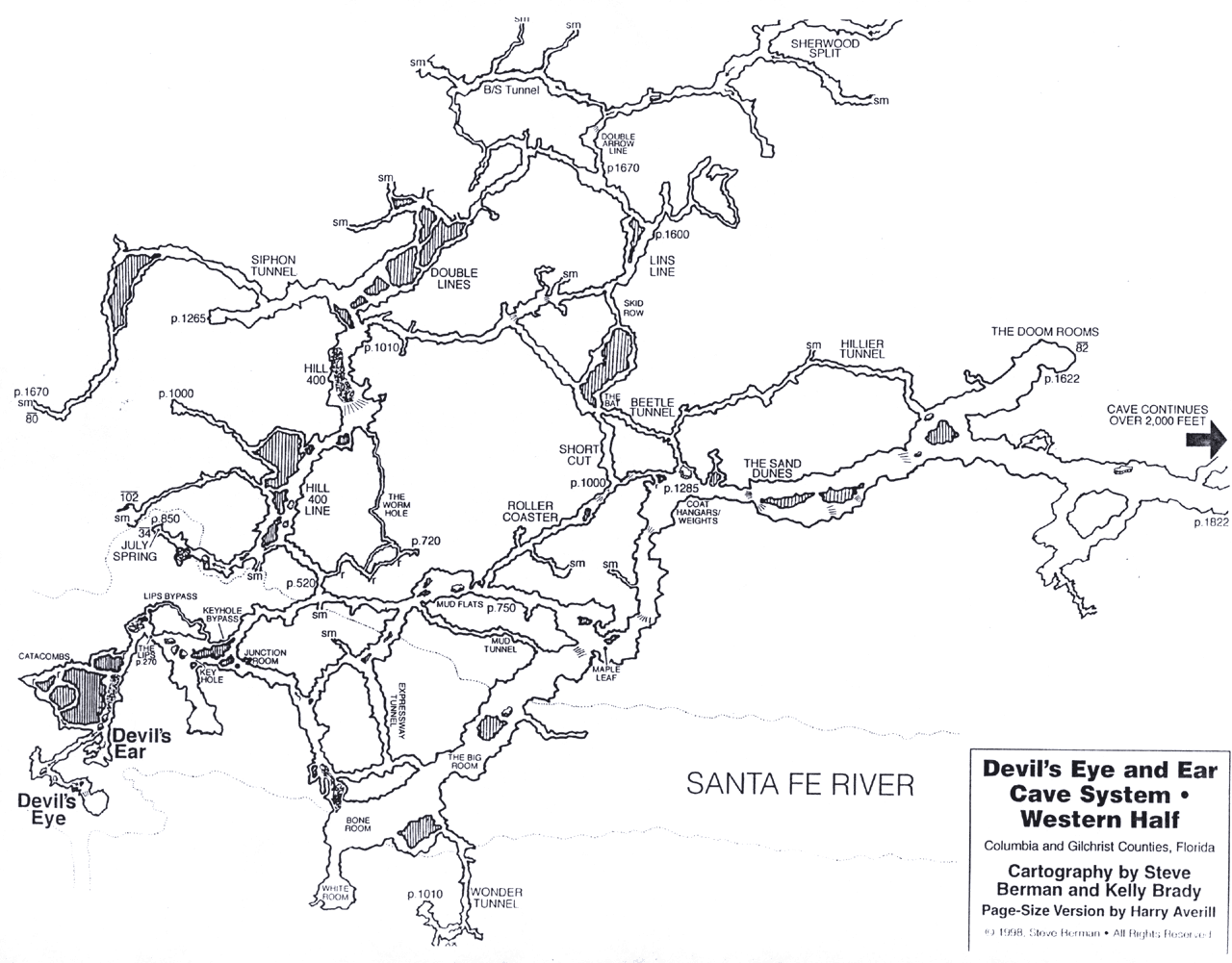
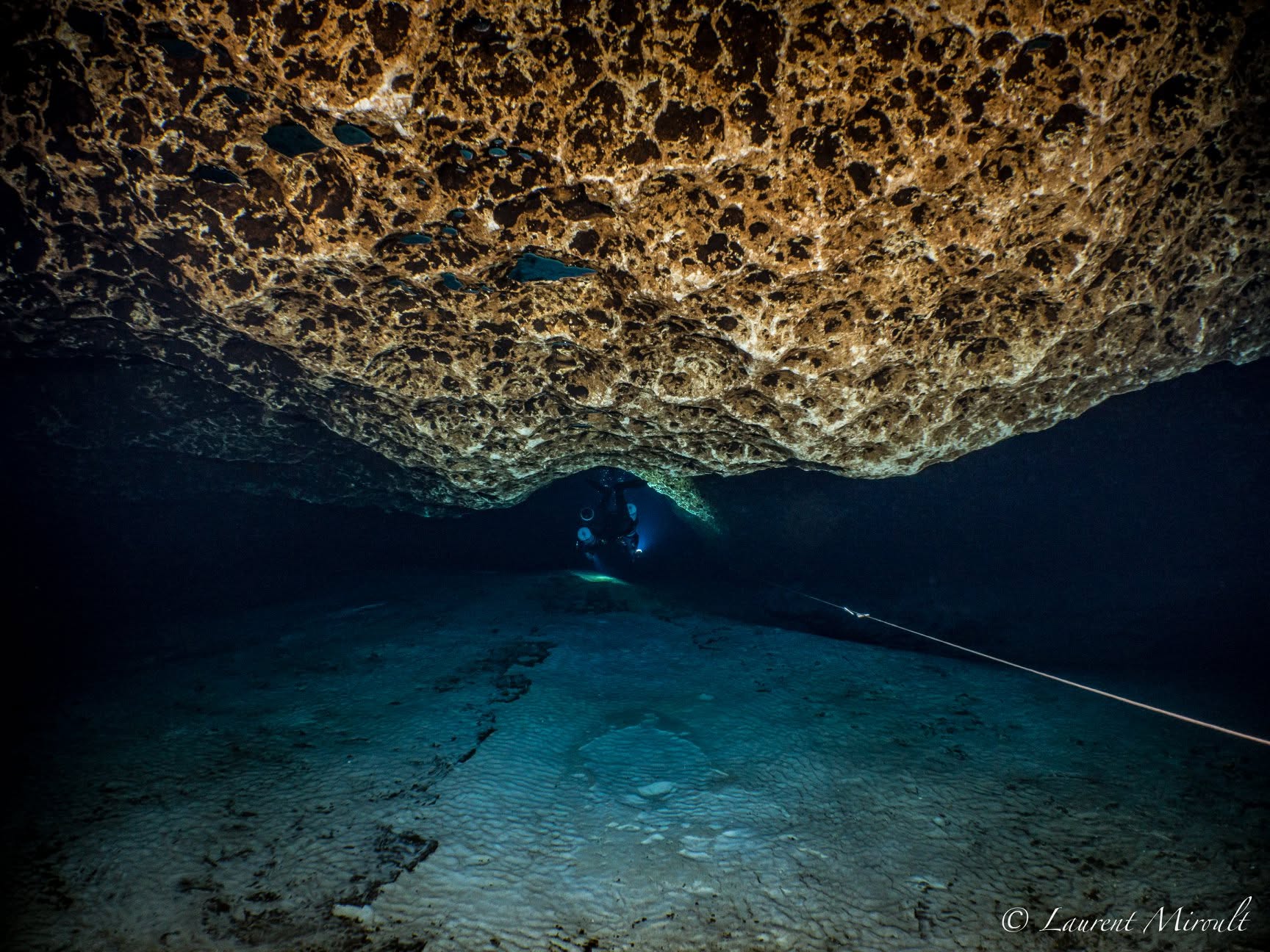
Beyond the Eye and Ear lies an extensive network of underwater passages that extends beneath the surrounding landscape. Large tunnels, flow passages, and complex intersections characterize much of the system, making it an ideal environment for both training and exploration.
The cave remains one of the most frequently visited underwater cave systems in the world.
Exploration History
Devil’s Eye and Devil’s Ear have played a significant role in the history of Florida cave diving. The system became one of the primary training locations for cave-diving instruction during the growth of the sport and continues to serve that role today.
Exploration of the cave system has continued for decades. One of the most significant modern discoveries occurred in the late 2000s when explorer Marius Frei, known for discovering Jackson Blue II, located a previously unknown passage within the system.
The discovery led to the exploration of a deeper section of the cave and added several thousand feet to the known length of the Devil’s Cave System. Following the initial discovery, additional exploration teams continued surveying and documenting the newly discovered area, further expanding understanding of the system.
These discoveries demonstrated that even one of Florida’s most heavily visited cave systems still held significant secrets waiting to be revealed.
Hydrological Characteristics
Devil’s Eye and Devil’s Ear function as major discharge points for groundwater moving through the Floridan Aquifer.
The system produces strong spring flow that emerges through both openings before entering the Santa Fe River. During periods of elevated river levels, the interaction between spring water and river water creates unique flow patterns visible from both above and below the surface.
The system’s strong flow, exceptional visibility, and extensive passage development make it one of the most recognizable groundwater features within the Santa Fe River Basin.
Cave Data
Devil’s Eye and Devil’s Ear are among the most popular cave-diving training sites in the world. The system’s combination of strong flow, clear water, extensive passage development, and convenient access has made it a favorite destination for instructors and students alike.
The cave supports training at every overhead-diving level, from introductory cavern courses to advanced cave and technical-diving programs. At the same time, the system continues to provide opportunities for exploration and discovery, demonstrating that even well-known caves can still hold unexplored passages.
Due to the overhead environment, diving beyond the cavern zone should only be undertaken by properly trained and equipped cave divers.
Current Status
Devil’s Eye and Devil’s Ear remain among the most visited cave-diving sites in Florida and continue to serve as important locations for cave-diving education and exploration.
The system supports training programs ranging from cavern diving to advanced cave-diving courses and remains one of the most important instructional sites in North America. At the same time, exploration efforts continue to improve understanding of the cave’s extent and relationship to other groundwater systems within the Santa Fe River Basin.
Today, Devil’s Eye and Devil’s Ear remain central to Florida’s cave-diving community and continue to attract divers from around the world.
The Hidden Rivers of Florida documents the springs, rivers, sinkholes, caves, and groundwater systems that shape Florida’s landscape. Through exploration, photography, research, and firsthand observation, the project seeks to connect visitors with the hidden waterways flowing beneath the state.
Frequently Asked Questions
Devil’s Eye is a large oval spring opening located within the spring run, while Devil’s Ear is an elongated opening located where the spring run meets the Santa Fe River.
Viewed from above, the shape and position of the two openings resemble an eye and an ear.
Yes. The system can be accessed from the Santa Fe River by kayak, canoe, paddleboard, or boat, as well as from Ginnie Springs Outdoors.
During periods of elevated river levels, tannic water from the Santa Fe River can push toward the spring run. The strong flow exiting the Ear pushes the darker water back, creating a dramatic visual effect that resembles blood-colored water spilling into the cave.
Yes. Both openings provide access to the same underwater cave system.
Yes. The system is one of the most important cave-diving training locations in North America and supports instruction from cavern through advanced cave-diving levels.
Yes. Exploration projects have continued to expand understanding of the system, including significant discoveries made in the late 2000s that added thousands of feet of previously unknown passage.
Yes. The cave system is part of the Floridan Aquifer and serves as a major groundwater discharge point within the Santa Fe River Basin.
Continue Exploring Florida’s Hidden Waters
If you enjoyed the information about this springs, you’ll love the free guide:
The 25 Most Notable Springs and Cave Systems in Florida
From world-famous destinations like Wakulla, Jackson Blue Spring, and Peacock Springs to lesser-known hidden gems, this guide introduces some of Florida’s most fascinating natural wonders.
Download your free copy and continue exploring beyond the surface.
Get the Free Guide →Nearby Springs
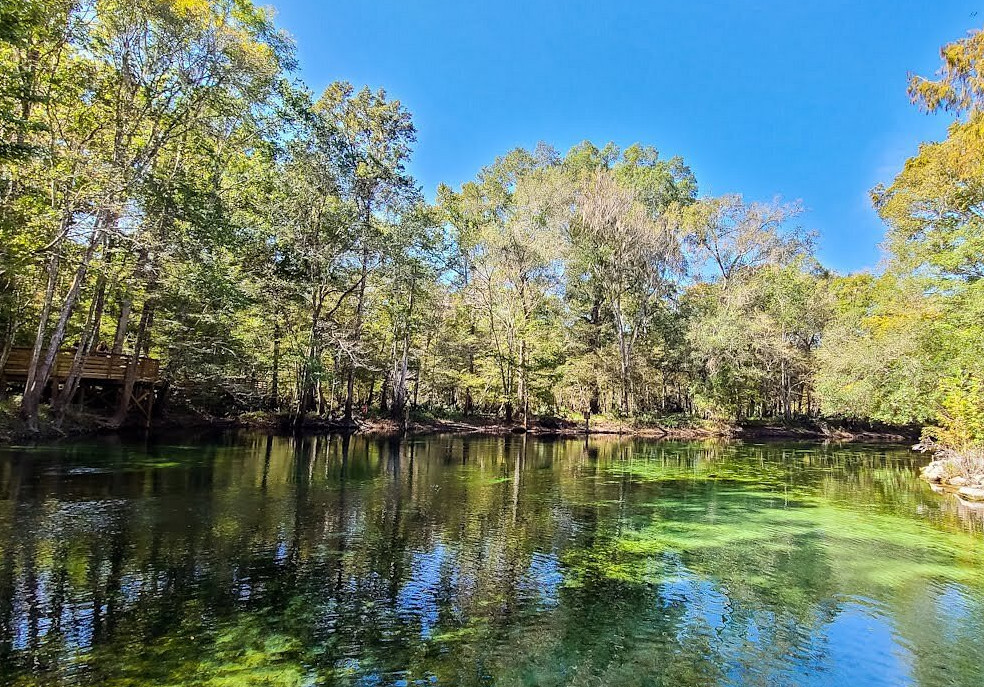
Photo Gallery
The following images were taken in Devil’s Cave System by Laurent Miroult.
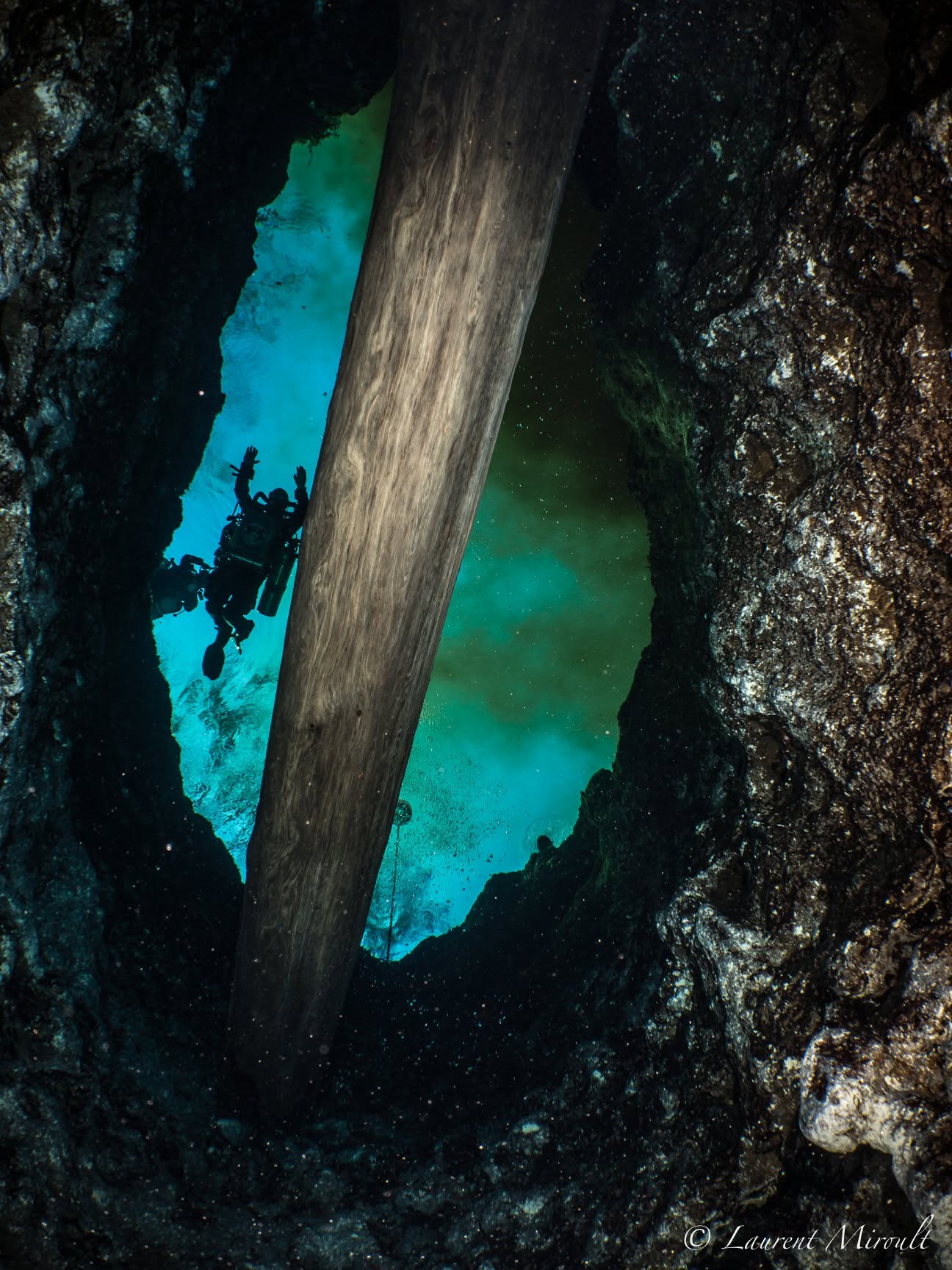
For more photos by Laurent Miroult, please visit cavediving.pictures