
Hidden Spring | Bone Cave
Location: Washington County, Florida, United States
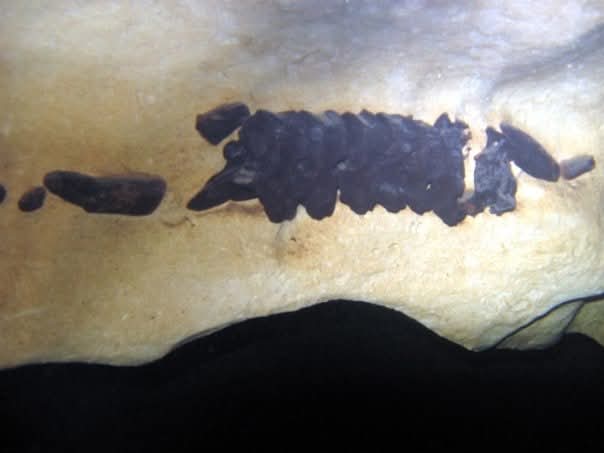
The system receives its names from two distinctive characteristics: the concealed nature of the spring’s entrance and the presence of fossilized bone within the cave. The opening lies in a small, nondescript section of the creek floor and is not visible from the surface under normal conditions.
FREE FLORIDA SPRINGS GUIDE
Want to discover more of Florida’s hidden waterways?
Download The 25 Most Notable Springs and Cave Systems in Florida and explore some of the state’s most remarkable spring basins, underwater cave systems, and hidden natural treasures.
✓ Featured springs throughout Florida
✓ Cave systems and exploration highlights
✓ Popular destinations and hidden gems
✓ Instant download
Hidden Spring can be reached by kayak, canoe, or paddleboard from the boat launch at the end of River Road west of New Hope, Florida. Depending on water levels and current conditions, paddlers can access the spring by going Holmes Creek north for about 15 minutes. The route is generally suitable for recreational paddlers, though conditions may vary throughout the year.
As you approach the spring, watch for changes in water color, clarity, and vegetation that often indicate groundwater entering the system. Because Hidden Spring is not located in a cul de sac type of spring basin, it is generally not visible unless the water level is very low. Paddlers may encounter limestone formations, submerged vents, native wildlife, and the clear blue water commonly associated with Florida’s spring systems. The spring provides a unique opportunity to observe the connection between Florida’s surface waterways and the hidden groundwater network flowing beneath the landscape.
Geological Context
The spring discharges from the Floridan Aquifer into Holmes Creek.
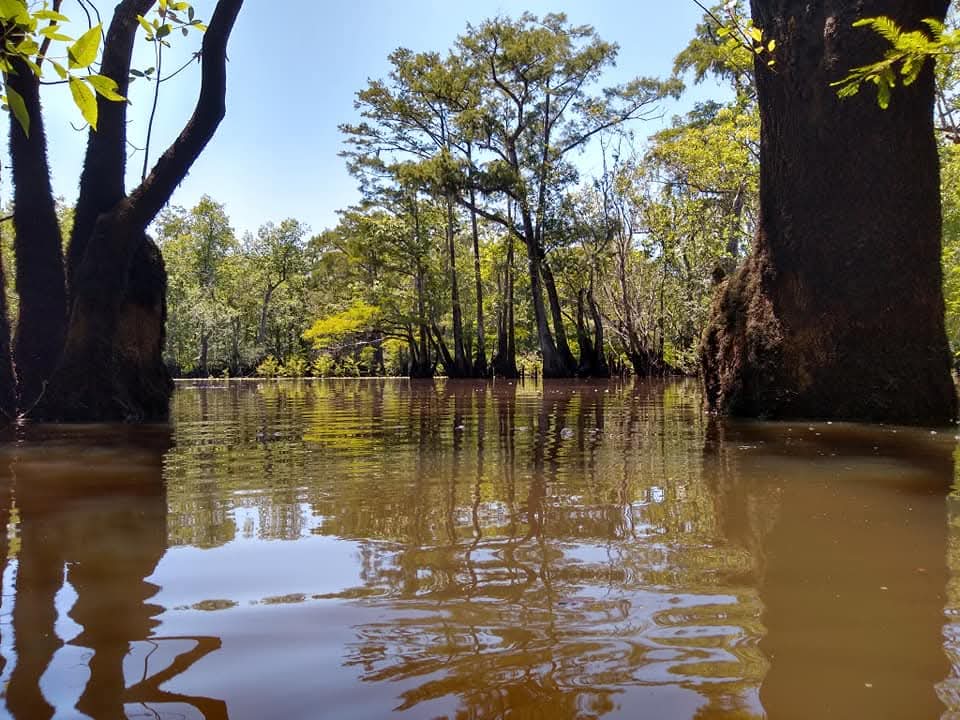
The creek water is frequently tannic, obscuring the spring from surface view. A subtle clearing in the water just outside the opening marks the discharge zone.
The entrance is low and requires sidemount configuration to access. Beyond the restriction, the cave opens into more moderately sized passage.
Structure & Layout
The entrance is low and requires sidemount configuration to gain access.
Immediately beyond the initial restriction, the passage opens into more navigable space. The main line continues straight for approximately 100 feet before reaching an intersection.
- One passage leads toward a section where the fossilized spine of a dugong is visible embedded within the limestone wall.
- The primary passage continues into additional segments of the cave.
One looped section consists of a narrow, winding passage with several small offshoot tunnels. Another primary route continues several hundred feet through a low, silty area where improper technique can quickly reduce visibility.
The system contains a mixture of confined passage, loops, and sediment-sensitive sections.
Hydrological Characteristics
Hidden Spring exhibits steady but moderate discharge relative to other Holmes Creek systems.
Because the opening is small and positioned in the creek floor, entry conditions can vary depending on creek stage.
Interior flow remains manageable once beyond the initial restriction, though the silty sections require precise buoyancy control.
Fossil Features
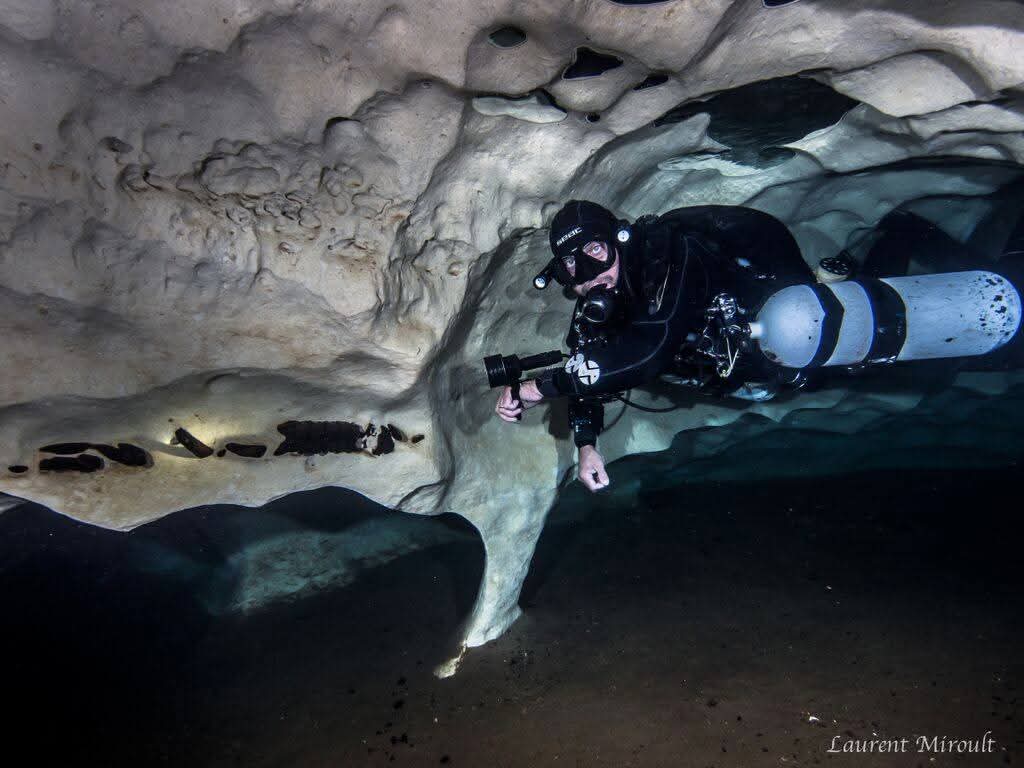
Hidden Spring is also known as Bone Cave due to the presence of a fossilized dugong spine embedded within the limestone wall.
Dugongs, marine mammals once present in Florida’s ancient waters, no longer inhabit the region. The preserved vertebral column visible within the cave reflects the marine origins of Florida’s limestone formations.
This fossil feature is one of the defining characteristics of the system.
Exploration & Mapping
Exploration of Hidden Spring documented the primary passage and its looping branches, clarifying the internal layout and establishing mapped passage through multiple sections.
Survey work confirmed the branching configuration and identified the fossil-bearing corridor as a distinctive interior landmark.
Due to its low entrance and silty interior sections, it is generally approached by divers trained in sidemount configuration and careful propulsion techniques.
Portions of this cave system were explored and surveyed during cave dives conducted by Rob Neto while documenting Florida’s underwater cave systems for the book The Hidden Rivers of Florida.
You will need to know the location of the spring to dive it. It’s located in what appears to be the main section of Holmes Creek with few landmarks to announce its presence, hence the name Hidden Spring. On rare occasions, when the creek level is low, you can see the opening. Most of the time, it’s hidden beneath a thick layer of tannic water that looks primed for a family of alligators, especially during the winter months when they seek out the warmer spring waters.
Once you find the spring, the opening is low and the flow feels significant despite it not being a first magnitude spring. Entry requires sidemount configuration. Sidemount also makes other areas of the cave more comfortable as it is a low, silty cave.
The highlight of the cave is the dugong spine embedded in one of the walls. Please do not touch or disturb it. It’s been there for millions of years unharmed by divers and should remain so for future generations of cave divers. Admire it. Photograph it. Video it. Then explore the rest of the cave.
Cave Data
Current Status
- Low sidemount-only entry
- DFossil presence
- Looped narrow passage
- Silt-prone interior sections
The Hidden Rivers of Florida documents the springs, rivers, sinkholes, caves, and groundwater systems that shape Florida’s landscape. Through exploration, photography, research, and firsthand observation, the project seeks to connect visitors with the hidden waterways flowing beneath the state.
Frequently Asked Questions
The spring is located about 15 minutes from the boat launch on River Road near New Hope, Florida in Holmes Creek.
Trained and certified cave divers can dive the cave in sidemount configuration. The opening is low and will not accommodate backmount configuration.
Yes, it’s a short paddle from the nearest launch. The spring is difficult to find under normal conditions. The only time it is visible from the surface is during drought conditions.
Yes, the spine of an extinct species of dugong is embedded in one of the walls of the cave. At one point, the Florida panhandle was part of the gulf, as evidenced by the multitude of fossils of sea creatures in many of the caves in the area.
Continue Exploring Florida’s Hidden Waters
If you enjoyed the information about this springs, you’ll love the free guide:
The 25 Most Notable Springs and Cave Systems in Florida
From world-famous destinations like Wakulla, Jackson Blue Spring, and Peacock Springs to lesser-known hidden gems, this guide introduces some of Florida’s most fascinating natural wonders.
Download your free copy and continue exploring beyond the surface.
Get the Free Guide →Nearby Springs
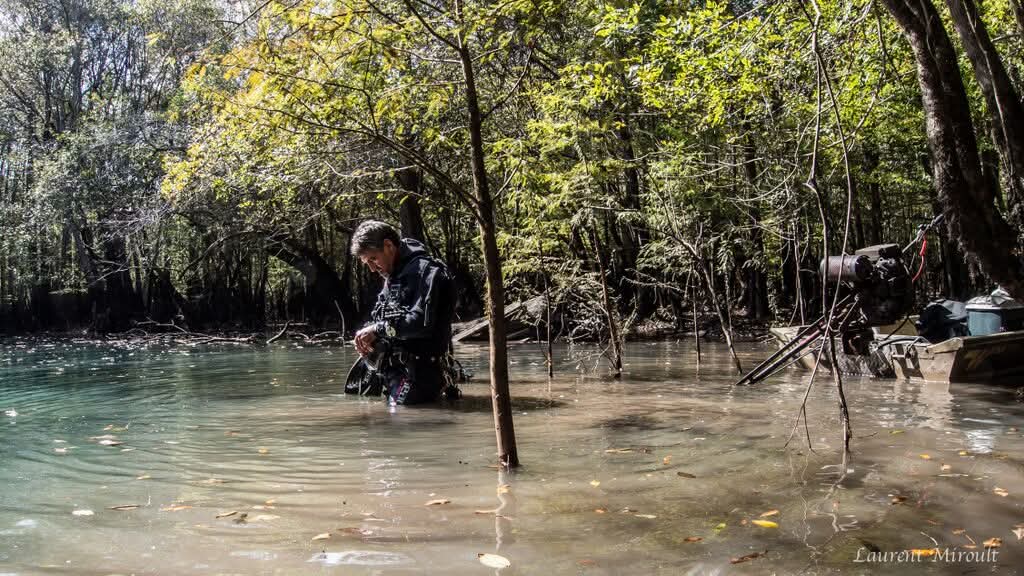

Photo Gallery
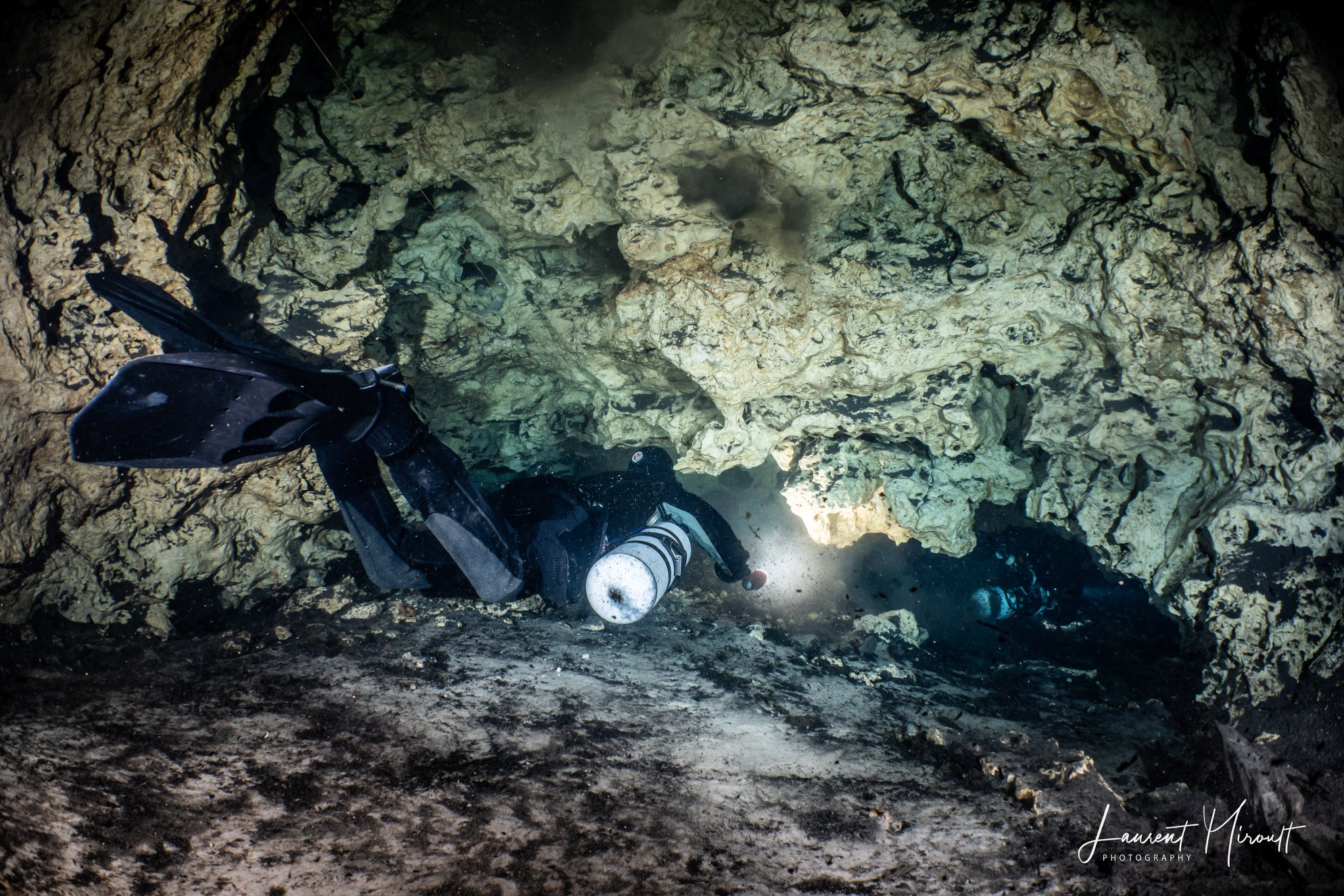
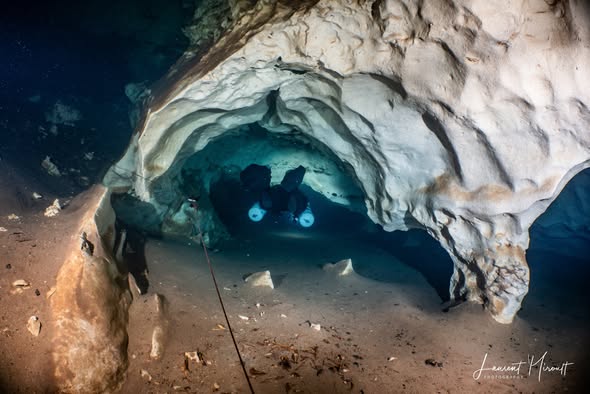
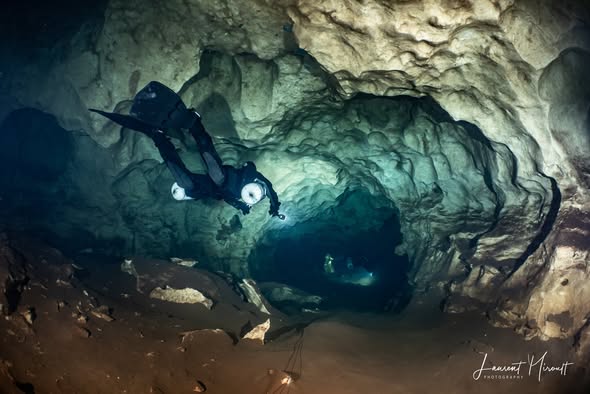
The following images were taken in Hidden Spring/Bone Cave by Laurent Miroult.
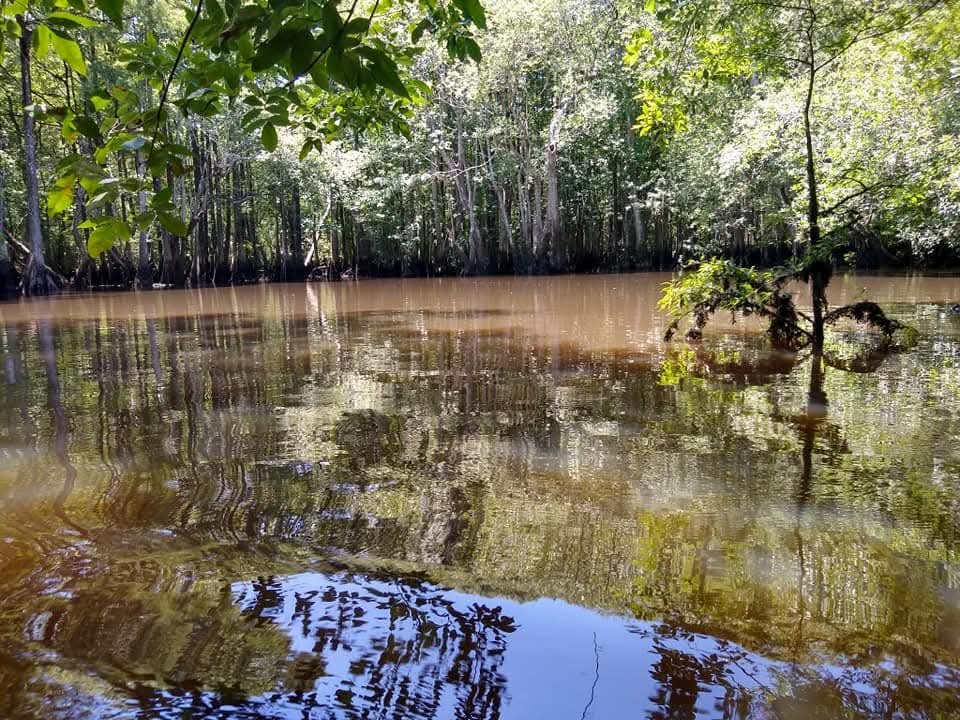
For more photos by Laurent Miroult, please visit cavediving.pictures