
Morrison Spring
Location: Walton County, Florida, United States
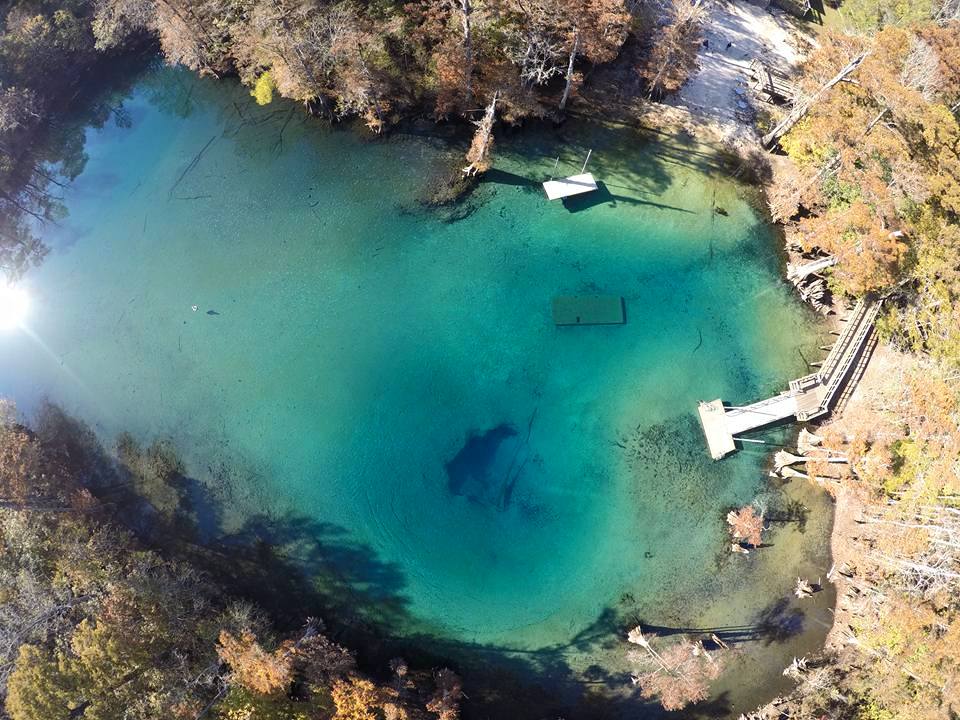
Located off the Choctawhatchee River south of Ponce de Leon in Walton County, the spring is widely recognized for its large open basin and historical cave system.
Although a deep cave once extended beyond the cavern zone, access to the deeper section has been blocked for decades.
FREE FLORIDA SPRINGS GUIDE
Want to discover more of Florida’s hidden waterways?
Download The 25 Most Notable Springs and Cave Systems in Florida and explore some of the state’s most remarkable spring basins, underwater cave systems, and hidden natural treasures.
✓ Featured springs throughout Florida
✓ Cave systems and exploration highlights
✓ Popular destinations and hidden gems
✓ Instant download
Geological Context
Morrison Spring discharges from Florida’s karst limestone aquifer into a large, picturesque basin before flowing toward the Choctawhatchee River.
The spring’s magnitude classification reflects its significant and sustained flow. Although the deeper cave is no longer accessible, continued discharge through smaller openings beneath the collapsed section indicates that substantial passage remains beyond the blockage.
Structure & Layout
The spring basin is wide and open, with the primary opening located at the bottom.
- The rim of the opening begins at approximately 25 feet of depth.
- The entrance to the main cavern is located at approximately 45 feet.
- The cavern floor slopes to approximately 99 feet.
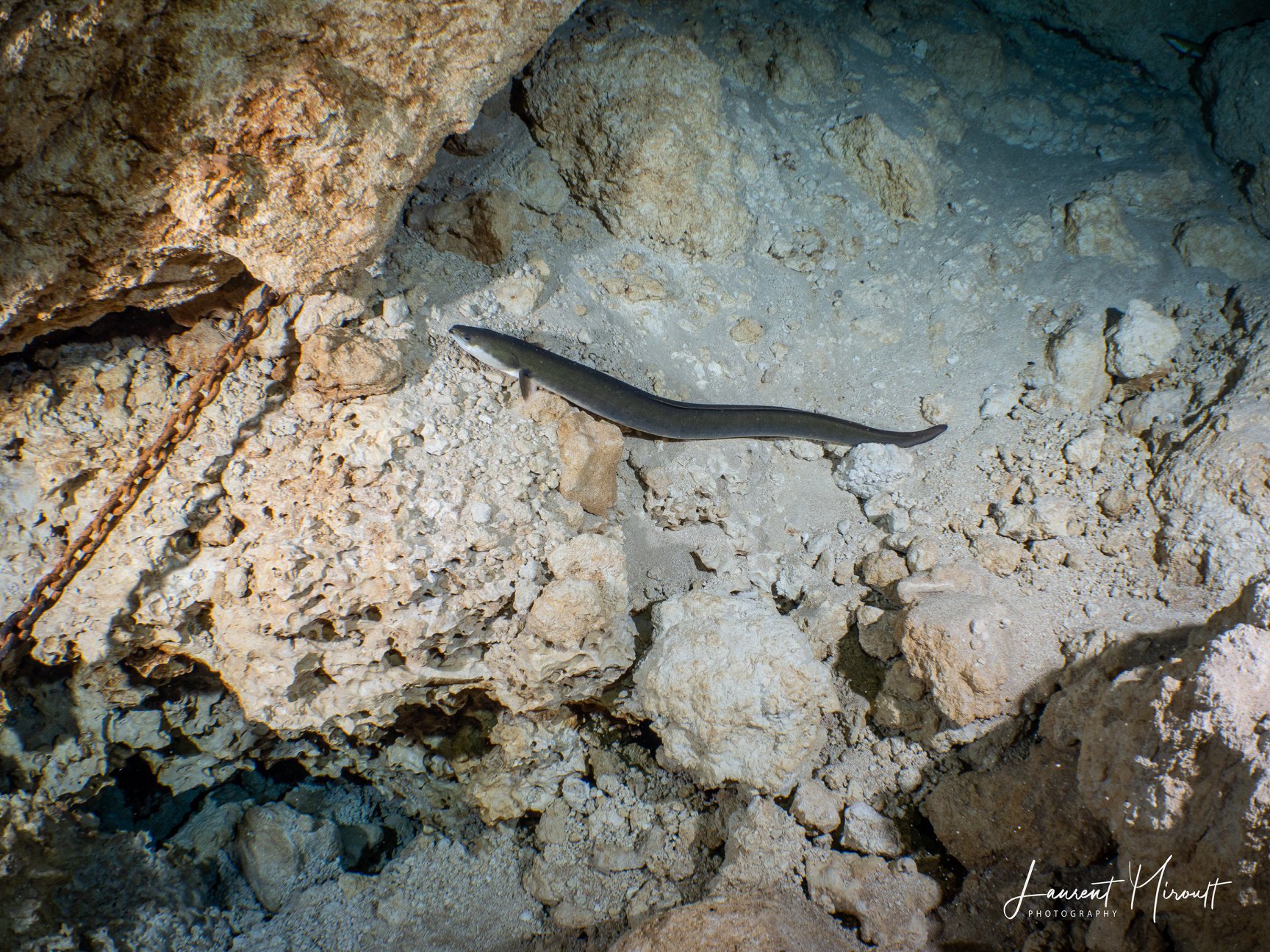
The main cavern is large and rounded, inhabited by numerous Florida freshwater eels that are frequently observed along the bottom.
A secondary cavern area extends roughly 50 feet inward before terminating at a large boulder with no continuation beyond.
Early Cave Exploration
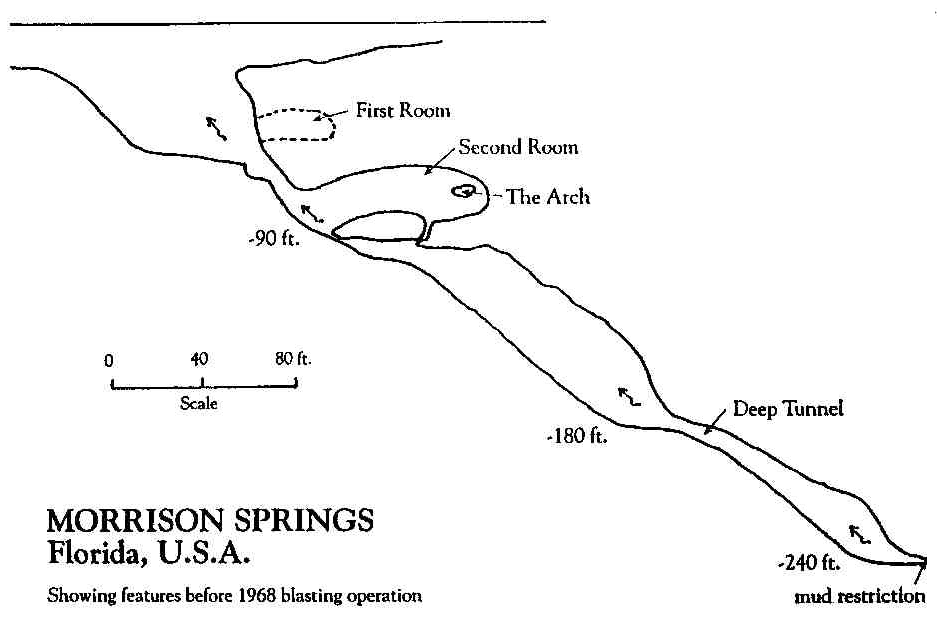
Prior to its closure, Morrison Spring contained a deep cave passage extending beyond the cavern.
Sheck Exley explored, mapped, and surveyed the system in its early years, reaching depths of approximately 240 feet before encountering a mud restriction. These dives were conducted on air, prior to the widespread use of Trimix in deep cave exploration.
The cave represented one of the deeper known spring systems in the region during that era.
Closure of the Deep Cave
Following multiple fatalities within the cave system, local authorities intervened. Explosives were reportedly used to collapse portions of the passage, blocking access to the deeper section.
Subsequent structural collapse sealed the cave beyond the cavern zone.
While discharge from the deeper system remains visible in certain areas, attempts to bypass the obstruction have proven unsuccessful due to strong flow and the size of the blockage.
Regional Significance
Morrison Spring remains one of the most historically significant spring sites in the Florida Panhandle.
As a first magnitude spring with documented deep exploration history, it represents both the geological power of the Floridan Aquifer and an important chapter in early Florida cave diving development.
Cave Data
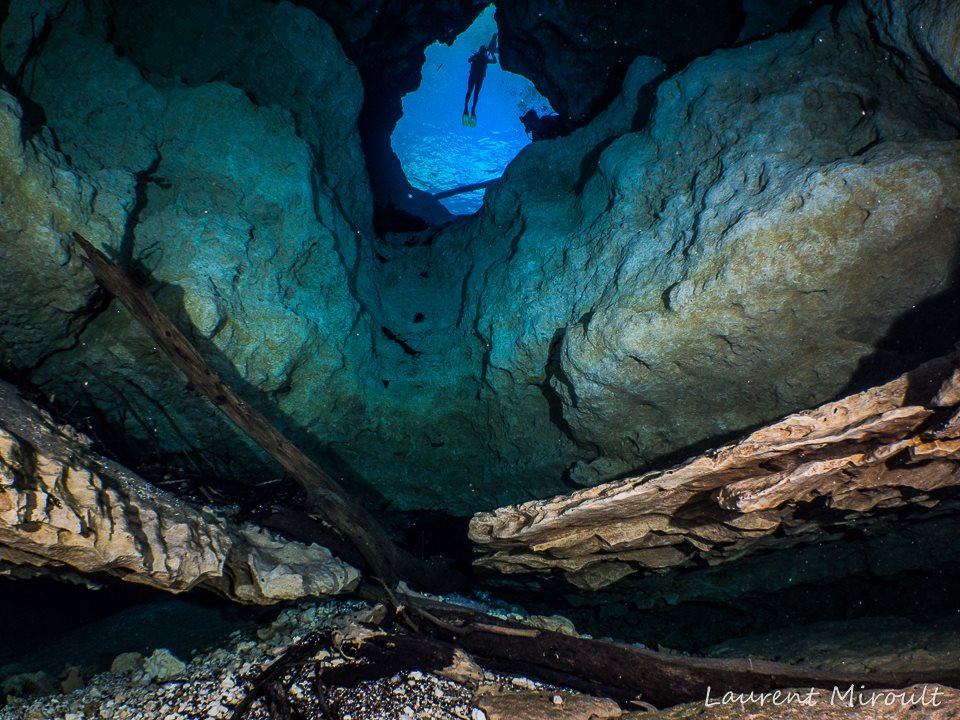
While not as picturesque as Cypress Spring, Morrison is a beautiful spring. The basin descends along a mild slope until reaching the bowl toward the opposite side from the beach entry. The trunk of an old cypress tree balances across the bowl at about 25 feet of depth. You’ll often see other divers perched on the trunk.
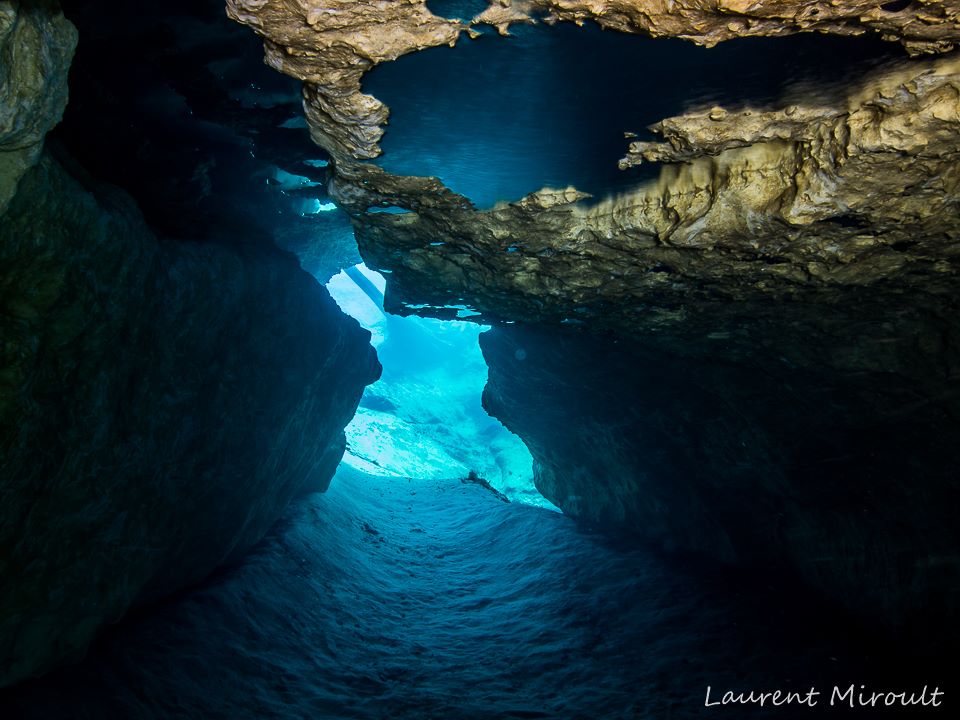
Morrison offers 2 caverns. One is shallow, located along the wall of the bowl. It penetrates about 60 feet before being blocked off by a large boulder. There doesn’t appear to be passable passage beyond that. The main cavern opening is located at the bottom of the bowl offset to one side. As you descend into it, you might notice pea gravel dancing in the current coming from inside. Hug the floor as you pull yourself into its dark depths.
Once inside, you’ll see a large cavern that descends to a depth of 99 feet and is 50-60 feet in diameter. Look closely and you’ll see several freshwater eels swimming around the floor of the cavern to your left. There’s more pea gravel dancing in the current at the bottom of the cavern. Beneath the large boulder that sits below the opening, is a small tunnel where most of the current comes from. Unfortunately, the current is too strong, and the passage is too small, to penetrate into that area to get to the deeper cave that was explored by Sheck Exley in the 1960s.
Current Status
- Large open basin
- Clear water
- Presence of freshwater eels
- Historical significance
The Hidden Rivers of Florida documents the springs, rivers, sinkholes, caves, and groundwater systems that shape Florida’s landscape. Through exploration, photography, research, and firsthand observation, the project seeks to connect visitors with the hidden waterways flowing beneath the state.
Frequently Asked Questions
The spring is located south of Ponce de Leon off of highway 81. There are small signs along the road directly traffic to Morrison Spring through Morrison Springs Road.
The basin is suitable for recreational divers and is often used for training. There is a training platform located about 15-20 feet below the surface. The basin is 45 feet deep and large enough to accommodate several divers. The cavern should only be visited by trained and certified cavern divers.
The spring basin is about 20 feet deep around the rim of the opening to the caverns. The deeper basin reaches a depth of 45 feet. The cavern is 95 feet at its deepest.
Yes, you can visit the spring through the Morrison Springs Park. There is a small fee to enter as well as a maximum capacity, so you should arrive early on weekends if you wish to get into the park. You can also visit the spring by water by launching from the boat launch, however, you must have a boat trailer to launch there..
After multiple fatalities in the cave system, the local sheriff ordered the spring to be closed off through the use of explosives. The order was carried out and the deeper section of the cave was blocked by a large boulder.
Continue Exploring Florida’s Hidden Waters
If you enjoyed the information about this springs, you’ll love the free guide:
The 25 Most Notable Springs and Cave Systems in Florida
From world-famous destinations like Wakulla, Jackson Blue Spring, and Peacock Springs to lesser-known hidden gems, this guide introduces some of Florida’s most fascinating natural wonders.
Download your free copy and continue exploring beyond the surface.
Get the Free Guide →Nearby Springs
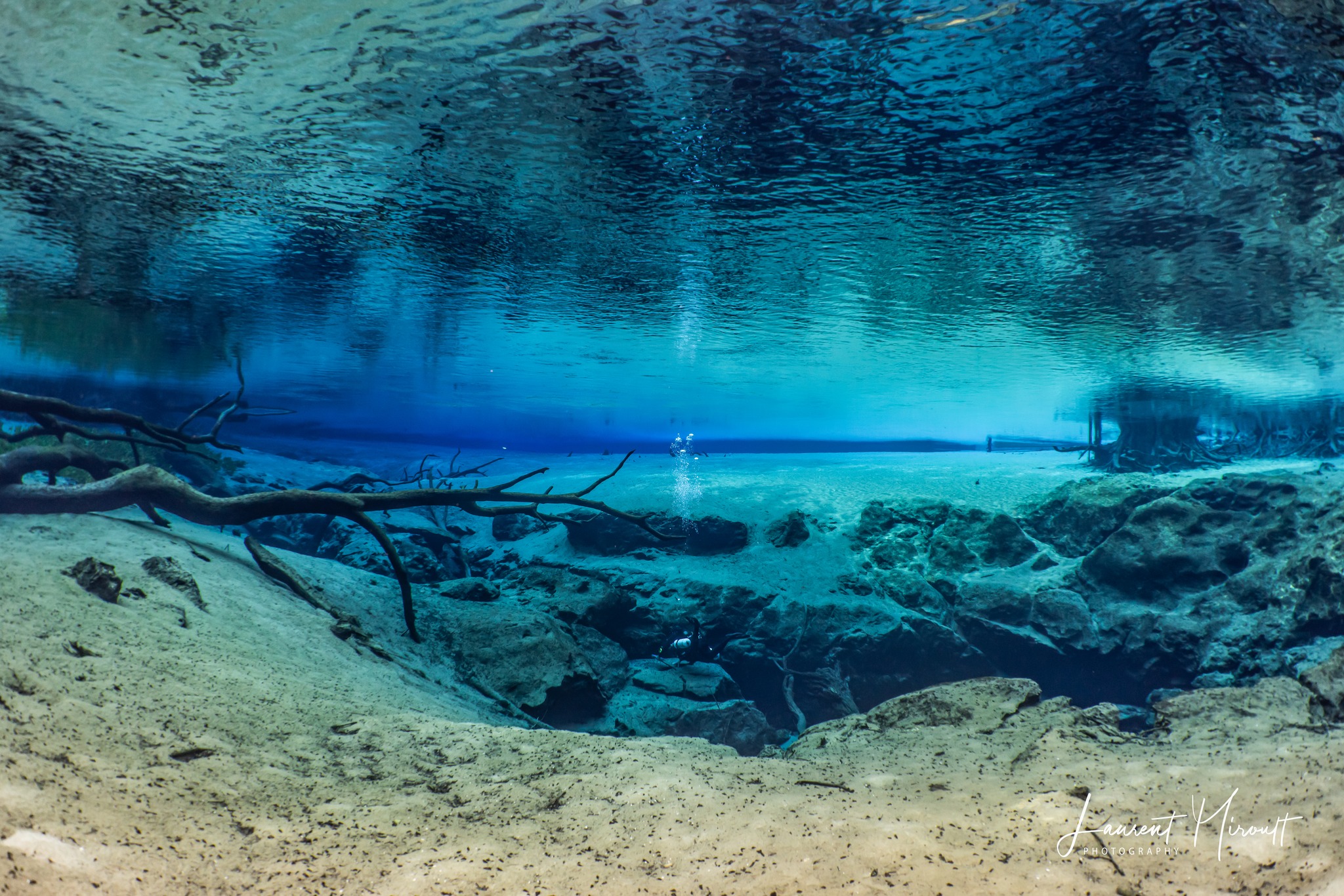
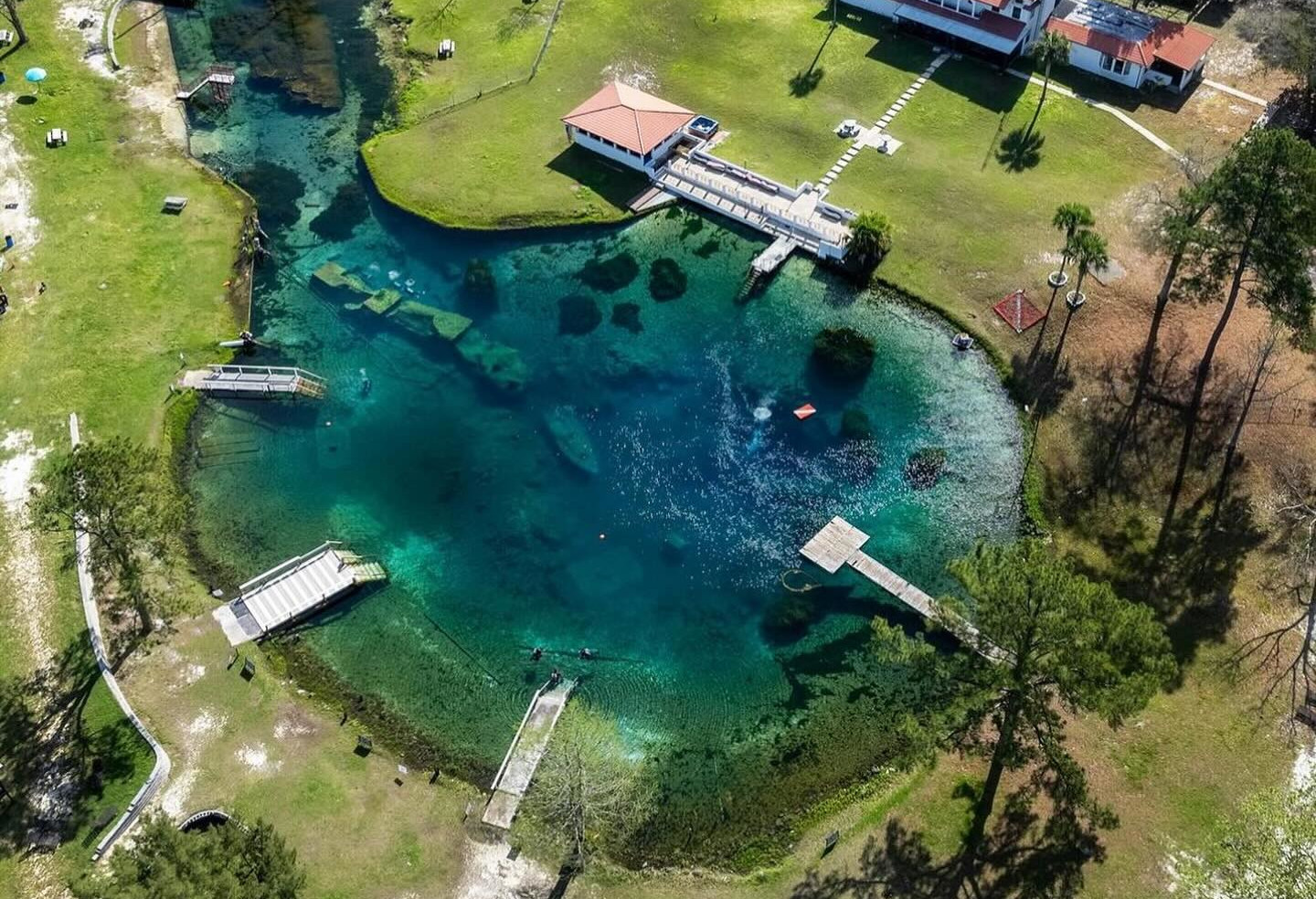
Photo Gallery
The following images were taken in Morrison Spring by Laurent Miroult.
For more photos by Laurent Miroult, please visit cavediving.pictures