
Little River Spring
Location: Suwannee County, Florida, United States
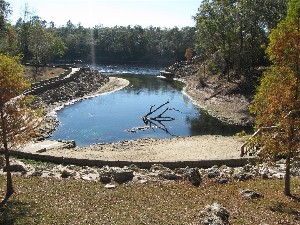
Little River Spring is one of the first-magnitude springs in the Suwannee River Basin and one of Florida’s premier cave-diving destinations. Located near Branford, Florida, the spring forms a beautiful, crystal-clear basin before flowing a short distance into the Suwannee River.
Beneath the spring lies an extensive underwater cave system known for its large passages, strong flow, and impressive visibility. Combined with easy public access, Little River has become a favorite destination for cave divers, photographers, swimmers, paddlers, and nature enthusiasts alike.
Today, Little River Spring serves as both a popular recreational spring and an important window into the hidden groundwater flowing through the Floridan Aquifer.
FREE FLORIDA SPRINGS GUIDE
Want to discover more of Florida’s hidden waterways?
Download The 25 Most Notable Springs and Cave Systems in Florida and explore some of the state’s most remarkable spring basins, underwater cave systems, and hidden natural treasures.
✓ Featured springs throughout Florida
✓ Cave systems and exploration highlights
✓ Popular destinations and hidden gems
✓ Instant download
Little River Spring can be reached by paddling the Suwannee River or by launching directly from the county park. The short spring run offers crystal-clear water and excellent opportunities to observe fish, turtles, and the dramatic limestone walls surrounding the spring basin.
Paddlers visiting from the Suwannee River are rewarded with one of the river’s most beautiful spring-fed tributaries and an ideal place to stop and enjoy the scenery.
Geological Context
Little River Spring emerges from the Floridan Aquifer, where groundwater has dissolved limestone over thousands of years to create an extensive network of submerged conduits.
The spring is a major discharge point within the Santa Fe River Basin, releasing millions of gallons of water each day before entering the nearby Suwannee River. Its underwater cave system demonstrates the scale and complexity of Florida’s hidden rivers beneath the surface.
Like many North Florida springs, Little River is part of an interconnected karst landscape of springs, sinkholes, and underground passages that define the region.
Structure & Layout
Little River Spring opens into a large limestone basin with exceptionally clear water. A boardwalk and observation deck overlook the spring, providing visitors with excellent views of the basin and the spring vent below.
The basin is a popular destination for swimming and snorkeling during the warmer months.
The cave entrance lies beneath the headspring and provides access to an extensive underwater cave system. Strong spring flow exits the cave throughout the year, maintaining the clarity and temperature for which the spring is known.
Beyond the entrance, divers encounter large limestone passages with significant flow. The cave gradually expands into a network of tunnels that have been explored and surveyed for many miles.
The combination of passage size, flow, and visibility has made Little River one of Florida’s classic cave dives.One of Little River Spring’s most recognizable underwater landmarks is an old well casing that penetrates the ceiling of the cave. Installed decades ago, the pipe extends through the limestone and into the passage, creating one of the few places in a Florida cave where the surface and the underground environment are visibly connected.
Today, the well casing serves as a popular waypoint for cave divers and underwater photographers, offering a unique reminder of the relationship between Florida’s groundwater resources and the extensive cave systems hidden beneath the surface.
Exploration History
Little River Spring has been explored by generations of cave divers and has become one of the best-known cave systems within the Suwannee River Basin.
Exploration projects have expanded knowledge of the cave while contributing to a better understanding of groundwater movement beneath North Florida. The system continues to serve as both a training location for experienced cave divers and an active site for survey and exploration.
Its accessibility and impressive underwater scenery have also made Little River a favorite destination for underwater photographers.
Long before scuba equipment made underwater cave exploration possible, Little River Spring attracted the attention of local slave Abe Davis. During the 1850s, Davis reportedly made repeated breath-hold dives into the spring, descending far enough into the opening to fuel local curiosity about what lay beneath the surface. Although his explorations were necessarily limited by the lack of technology of the time, his willingness to venture into the spring made him one of Florida’s earliest known underwater explorers. He was known to enter the cave system through one opening, navigate the dark passage, and exit through another opening. His remarkable dives serve as an early chapter in the long history of exploration that would eventually reveal the extensive cave system hidden beneath Little River Spring.
Note: The second opening that Abe Davis used during his swims is no longer passable today.
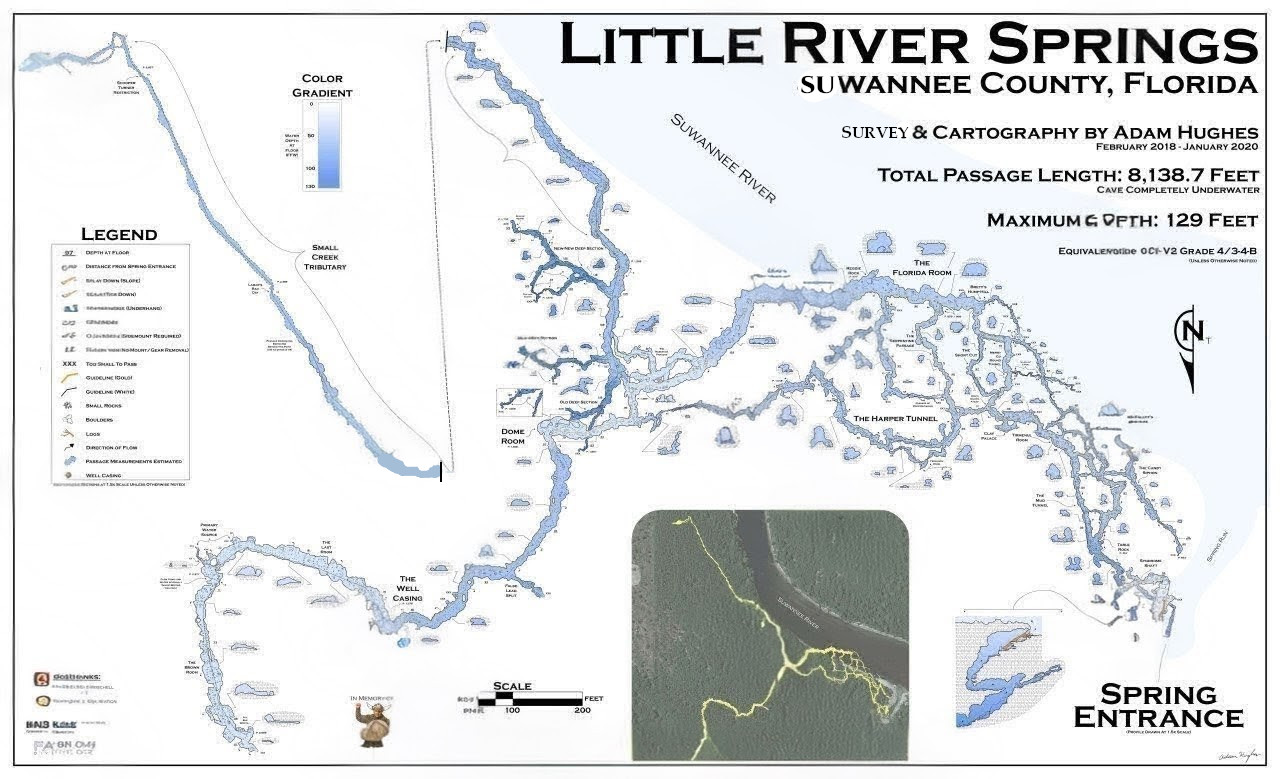
Hydrological Characteristics
Little River Spring serves as a major discharge point for the Floridan Aquifer.
The spring releases a large volume of groundwater that forms Little River before quickly joining the Suwannee River. The strong spring flow maintains excellent visibility and supports the diverse aquatic ecosystem found within the spring basin.
The cave system provides valuable insight into groundwater movement throughout the Santa Fe River Basin.
Cave Data
Little River Spring is considered one of Florida’s premier cave-diving destinations. The system features large passages, strong spring flow, and excellent visibility, making it a favorite among experienced cave divers.
The spring is suitable only for properly trained cave divers beyond the cavern zone. Divers should plan for the strong current exiting the cave and always follow accepted cave-diving procedures.
For qualified divers, Little River offers one of the most enjoyable and frequently visited cave systems in North Florida.
Current Status
Little River Spring remains one of North Florida’s most popular springs for both recreation and cave diving.
The spring is managed as a county park and offers public access for swimming, picnicking, wildlife viewing, and cave diving. The underwater cave system continues to attract certified cave divers from around the world, while the spring basin provides a scenic destination for families and outdoor enthusiasts.
Visitors should be aware that the cave system is suitable only for properly trained and equipped cave divers.
This system is discussed in The Hidden Rivers of Florida because of its importance to cave exploration and ground water research.
Learn about the bookContinue Exploring Florida’s Hidden Waters
If you enjoyed the information about this springs, you’ll love the free guide:
The 25 Most Notable Springs and Cave Systems in Florida
From world-famous destinations like Wakulla, Jackson Blue Spring, and Peacock Springs to lesser-known hidden gems, this guide introduces some of Florida’s most fascinating natural wonders.
Download your free copy and continue exploring beyond the surface.
Get the Free Guide →Frequently Asked Questions
Little River Spring is located near Branford in Suwannee County, Florida.
Yes. Little River Spring discharges directly into the Suwannee River and is part of the Suwannee River Basin.
Yes. Swimming is permitted in the spring basin.
Yes. Beneath the spring lies an extensive underwater cave system that is popular with certified cave divers.
Yes. The spring can be accessed from the county park or by paddling from the Suwannee River.
No. The cave beyond the cavern zone is suitable only for properly trained and equipped cave divers.
Its exceptionally clear water, large limestone basin, and extensive underwater cave system make it one of Florida’s most photogenic springs.
Yes. The spring is a major discharge point for groundwater flowing through the Floridan Aquifer.
Nearby Springs
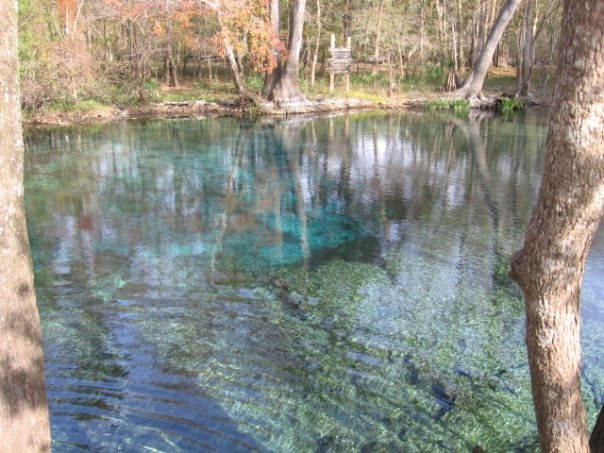
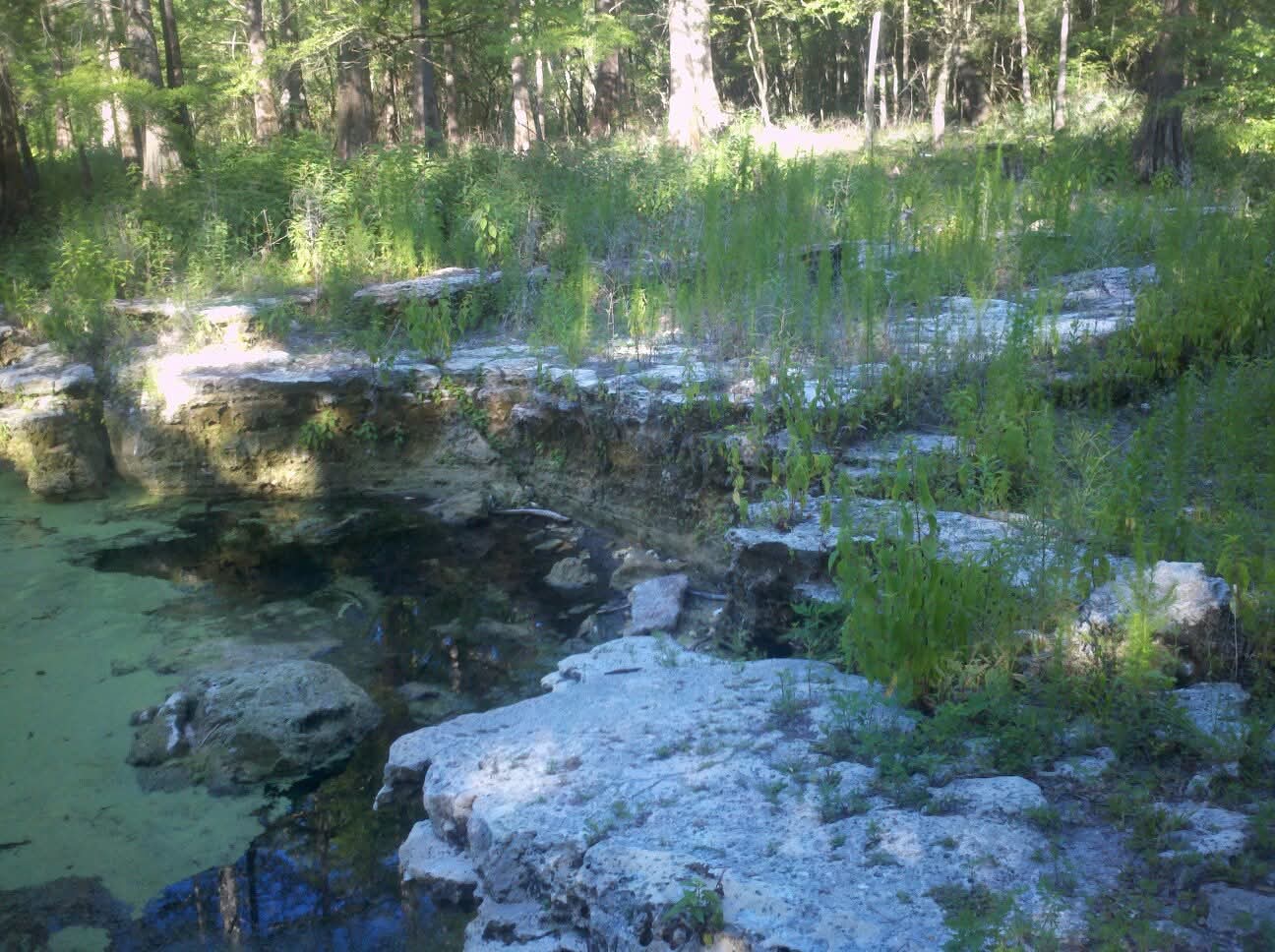
Photo Gallery
Coming soon