
Chassahowitzka Main Spring
Location: Citrus County, Florida, United States
Overview
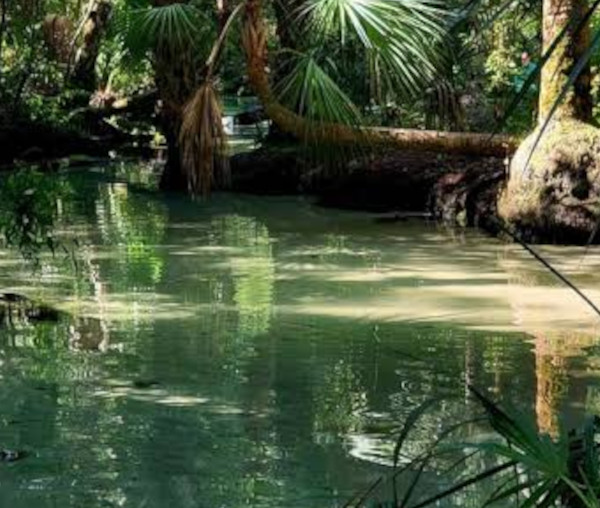
Chassahowitzka Main Spring emerges into a broad pool near the public boat ramp and campground, providing a major source of water for the river as it winds through coastal wetlands toward the Gulf of Mexico. The Chassahowitzka River is part of a first-magnitude spring system supplied by numerous groundwater outlets. The Main Spring is one of the largest individual springs in the system, while smaller springs and tributaries contribute additional groundwater farther along the river.
Unlike some of Florida’s inland springs, the Chassahowitzka system is strongly influenced by its proximity to the Gulf. Groundwater discharge, tides, and variations in salinity all contribute to the river’s changing character. Even springs located relatively close to one another can differ in water chemistry because their groundwater sources and underground pathways are not necessarily identical.
The Main Spring is also an important starting point for exploring the surrounding waterways. Paddlers can travel from the campground area into the river’s network of spring runs, including the route toward Seven Sisters Springs. The surrounding landscape of cypress, marsh, and coastal vegetation gives the area a more secluded character than many of Florida’s heavily developed spring destinations.
FREE FLORIDA SPRINGS GUIDE
Want to discover more of Florida’s hidden waterways?
Download The 25 Most Notable Springs and Cave Systems in Florida and explore some of the state’s most remarkable spring basins, underwater cave systems, and hidden natural treasures.
✓ Featured springs throughout Florida
✓ Cave systems and exploration highlights
✓ Popular destinations and hidden gems
✓ Instant download
Geological Context
Chassahowitzka Main Spring lies within Florida’s karst landscape, where groundwater gradually dissolves limestone and creates openings through which water can travel. Rainfall infiltrates the ground and replenishes the Floridan aquifer. As groundwater moves through the limestone, it follows fractures and dissolution enlarged conduits. Where these pathways intersect the surface, groundwater emerges through springs.
At Chassahowitzka Main Spring, groundwater discharges into a broad pool near the headwaters of the river. The spring basin provides a visible expression of the underground processes that sustain the river and its surrounding wetlands. The regional geology is closely connected to the area’s coastal setting. Groundwater emerging from the limestone mixes with water moving through the river and, farther downstream, with water influenced by the Gulf. This produces a changing environment in which salinity, water clarity, and aquatic vegetation vary from one part of the river system to another.
The Main Spring is part of a larger karst network rather than an isolated geological feature. The surrounding area contains numerous additional springs, small vents, and spring runs, each contributing to the complex relationship between groundwater and surface water along the Nature Coast. For more information on the additional springs, visit the main Chassahowitzka Springs page.
The Main Spring Pool
The Main Spring emerges into a large pool near the Chassahowitzka River Campground and public boat ramp. The pool marks the beginning of the river’s main channel and provides a recognizable starting point for visitors exploring the area. The spring is not simply a scenic pool. It is a groundwater discharge point that contributes substantially to the river’s flow. The water leaving the spring moves through the channel and combines with discharge from other springs and tributaries farther downstream. The pool is surrounded by vegetation typical of Florida’s coastal spring systems. Cypress trees, wetland plants, and other native vegetation frame the waterways, creating habitat for fish, turtles, birds, and other wildlife.
Water conditions can vary with rainfall, groundwater levels, tides, and the mixing of different water sources. The coastal setting means that the Chassahowitzka River does not behave exactly like an inland spring run. Salinity and circulation can change along the river, and the water emerging from individual springs may differ in chemistry.
The Main Spring is also a convenient access point for paddlers. Visitors can launch near the campground and follow the river toward other springs and tributaries, although shallow areas and changing water levels can affect navigation.
The Chassahowitzka Main Spring is a convenient starting point for exploring the river. The public boat launch and campground provide access for visitors using kayaks, canoes, paddleboards, and suitable small watercraft. Paddling downstream offers views of the spring-fed channel and surrounding wetlands. Upstream routes provide access to narrower waterways and features such as Seven Sisters Springs, although water levels and shallow passages can affect navigation.
The river is especially appealing to visitors interested in wildlife and quiet outdoor recreation. Cypress trees, marsh vegetation, and natural shorelines provide a setting that differs from the developed spring parks found elsewhere in Florida. Visitors should be aware that the river is shallow in many places. Tides can influence water levels, and some passages may become difficult to navigate under certain conditions. Paddlers should plan their routes carefully and avoid damaging vegetation or stirring up bottom sediments.
The Main Spring area is also used by boaters and other visitors. During busy periods, considerate navigation helps reduce conflicts between paddlers, swimmers, and motorized craft. Before visiting, check current launch arrangements, rental availability, water levels, and local rules.
The Chassahowitzka River
The Chassahowitzka River flows approximately 5.6 miles from its headspring area to the Gulf. Despite its relatively short length, the river passes through a diverse landscape of spring-fed channels, cypress wetlands, marshes, and coastal waterways. The Main Spring provides a major portion of the river’s groundwater supply. Other springs contribute water along the channel, including Seven Sisters Springs and smaller features such as Crab Spring, Baird Spring, and Potter’s Creek Spring. The river is relatively shallow, and water depths vary with location and tides. Its coastal position also means that tidal conditions can influence water levels and the movement of water through portions of the system.
Farther downstream, the river transitions from its upper spring-fed environment toward a more brackish estuarine setting. This transition supports a mixture of freshwater and saltwater species and makes the Chassahowitzka different from spring systems farther inland. The river’s natural character is one of its defining features. Much of the surrounding landscape remains dominated by wetlands and natural vegetation, making the area particularly attractive to paddlers and wildlife observers.
Chassahowitzka Main Spring is one part of the larger Chassahowitzka River system. Exploring the surrounding springs helps reveal how groundwater, limestone, wetlands, and coastal waterways fit together across Florida’s Nature Coast.
For a broader look at Florida’s springs, cave systems, and the people who explore them, read The Hidden Rivers of Florida: Discoveries.
Amazon | Audible
Available on Kindle Unlimited!
Buy Direct – Signed Copies Available
Free Shipping in the US | Bundle discounts available
Structure & Hydrology
Chassahowitzka Main Spring receives groundwater from the Floridan aquifer. Rainfall across the surrounding springshed replenishes the aquifer, and groundwater moves through the underlying limestone before emerging at the spring. The Southwest Florida Water Management District identifies the Chassahowitzka springshed as an area of approximately 190 square miles, extending across parts of southern Citrus County and northern Hernando County. Changes in rainfall and groundwater levels affect the amount of water discharged from the springs. The Main Spring is a major contributor to the river’s flow. Other springs and tributaries add water farther downstream, producing a connected surface water system that extends from the headwaters to the Gulf.
Tidal influence is an important part of the hydrology. Because the river is close to the Gulf, tides can affect water levels and spring discharge. Salinity also varies across the system, with some springs discharging water influenced by brackish groundwater. The river’s water quality and ecological conditions depend on several interacting factors, including groundwater flow, nutrient concentrations, salinity, and the health of submerged aquatic vegetation. Monitoring these conditions helps water managers evaluate changes in the spring system over time.
Cave Features & Exploration
The Chassahowitzka region contains limestone openings and submerged karst features associated with groundwater movement. These features range from shallow spring vents to underwater passages, but not every spring opening leads to an extensive cave system. Chassahowitzka Main Spring is best known for its role as a major groundwater outlet and the headwaters of the river. The spring pool and its surrounding waterways provide an opportunity to observe the relationship between the aquifer and the surface environment.
The wider region has also attracted underwater explorers interested in Florida’s karst geology. Individual caves and submerged openings should, however, be treated as separate features unless reliable survey information establishes a connection. Any underwater exploration should be limited to appropriately trained divers at sites where access is permitted. An opening visible from the surface does not establish that a passage is safe or suitable for entry.
Wildlife & Natural Habitat
The Chassahowitzka Main Spring and river support a mixture of freshwater and coastal wildlife habitats. Fish, turtles, aquatic invertebrates, and other animals use the spring pool and surrounding waterways. The vegetation along the river provides shelter and feeding areas, while the adjoining wetlands support wading birds, raptors, and other wildlife.
The lower river’s connection to the Gulf allows saltwater species to enter the system. Manatees, stingrays, blue crabs, and a variety of fish may be encountered in the broader river environment, although sightings vary by season and location. Salinity plays an important role in determining where particular plants and animals occur. The upper spring area differs from the lower river, where tidal influence and brackish conditions become more pronounced. Protecting the Main Spring therefore requires attention to the entire river system. Groundwater quality, aquatic vegetation, and surrounding wetlands all contribute to the habitat conditions found at the spring.
- Check current launch access and campground information before visiting.
- Plan for shallow water and changing tidal conditions.
- Use a kayak, canoe, or suitable small watercraft to explore connected waterways.
- Check conditions before paddling to Seven Sisters Springs or other tributaries.
- Avoid damaging submerged vegetation or stirring up bottom sediments.
- Respect wildlife and other visitors.
- Follow local regulations and posted access restrictions.
- Do not assume a visible underwater opening is safe or permitted for diving.
- Dogs are permitted on the river when paddling and canoeing. They are also permitted at the campground.
Conservation
The Chassahowitzka River system is designated an Outstanding Florida Water and an Outstanding Florida Spring. The Southwest Florida Water Management District also identifies it as a priority for surface-water improvement and management. The system faces several environmental challenges, including elevated nitrate concentrations, changes in salinity, potential reductions in historical spring flow, and declines in desirable submerged aquatic vegetation. Nutrient enrichment can encourage excessive algal growth and affect the balance of aquatic plants. Changes in salinity can alter which species thrive in different parts of the river, while damage to submerged vegetation can contribute to erosion and reduced water clarity. Groundwater protection is particularly important because the Main Spring depends on rainfall and recharge across the surrounding springshed. Land use, wastewater, fertilizer applications, and stormwater runoff can influence the quality of groundwater entering the aquifer.
Recreational activity can also affect the river. Boat traffic and repeated contact with shallow areas can damage aquatic vegetation and disturb sediments, especially in narrow waterways. Conservation efforts include water quality monitoring, flow assessments, vegetation surveys, and management plans designed to protect the spring system. Maintaining the health of the Main Spring depends on protecting both the spring itself and the broader landscape that supplies its groundwater.
History & Regional Significance
The Chassahowitzka area has a long history of human use associated with its freshwater resources, waterways, and access to the Gulf Coast. Springs and rivers provided water, food, and routes through the coastal landscape. The Main Spring remains the defining feature of the river’s headwaters. Its steady groundwater discharge sustains the river and creates the conditions that support the surrounding wetlands and wildlife.
Unlike some of Florida’s best-known springs, which have been developed into large recreational parks, the Chassahowitzka area retains much of its natural coastal character. The campground and launch area provide public access, but the river itself remains a landscape of winding channels, wetlands, and smaller spring runs.
The system is also significant from a water management perspective. Its springshed, groundwater discharge, and coastal hydrology make it an important example of the relationship between Florida’s aquifer, surface waterways, and Gulf Coast ecosystems.
Current Status
Chassahowitzka Main Spring remains a major groundwater source for the Chassahowitzka River and an important recreational destination on Florida’s Nature Coast. Public access is available near the Chassahowitzka River Campground and boat launch. Visitors can explore the spring area and connected waterways by paddlecraft or suitable small watercraft, subject to current access arrangements and local rules.
The system continues to face water quality and habitat challenges, including elevated nutrient concentrations, changes in salinity, and concerns about spring flow and aquatic vegetation. The Southwest Florida Water Management District monitors the river and maintains a management plan intended to support restoration and long-term protection. Visitors can help protect the spring by avoiding damage to submerged vegetation, minimizing sediment disturbance, respecting wildlife, and following local regulations.
Frequently Asked Questions
Chassahowitzka Main Spring is in southwestern Citrus County, Florida, near the Chassahowitzka River Campground and public boat launch.
It is the principal headspring of the Chassahowitzka River, but the river system receives groundwater from numerous additional springs and vents.
The Chassahowitzka River is classified as a first-magnitude spring system. The system includes the Main Spring and other groundwater outlets that collectively sustain the river.
Yes. Seven Sisters is reached by paddling through connected waterways. Shallow passages and changing water levels can affect the route, so visitors should check conditions before setting out.
The spring receives groundwater from the Floridan aquifer, but the coastal setting means water chemistry and salinity can vary across the wider system. The Main Spring should not automatically be described as having the same water chemistry as every other spring in the river.
Recreation is available in the area, but visitors should check current local rules and conditions before swimming. The site is a natural spring and river environment rather than a fully developed swimming facility.
The region contains submerged karst features and underwater openings, but these should not automatically be classified as extensive caves. Any overhead environment requires appropriate training and site specific knowledge.
The spring provides a major source of groundwater for the Chassahowitzka River. Its flow supports aquatic habitats, wetlands, and the river’s connection to the Gulf of Mexico.
Continue Exploring Florida’s Hidden Waters
If you enjoyed the information about this springs, you’ll love the free guide:
The 25 Most Notable Springs and Cave Systems in Florida
From world-famous destinations like Wakulla, Jackson Blue Spring, and Peacock Springs to lesser-known hidden gems, this guide introduces some of Florida’s most fascinating natural wonders.
Download your free copy and continue exploring beyond the surface.
Get the Free Guide →Nearby Springs
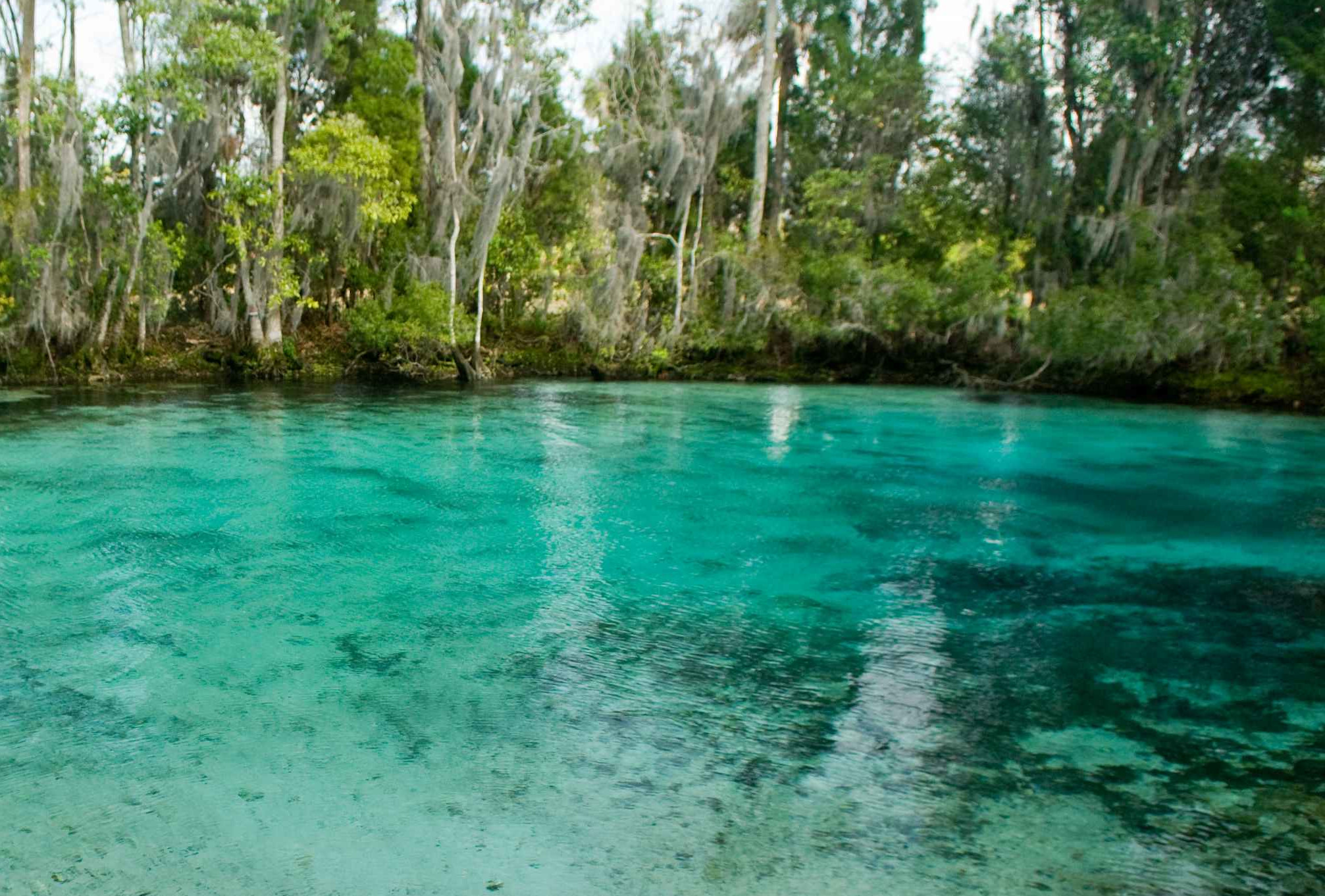
Photo Gallery
Coming soon