Troy Spring
Location: Suwannee County, Florida, United States
A First-Magnitude Spring with a Civil War Secret
Troy Spring is one of Florida’s most unique freshwater springs, combining crystal-clear spring water, rich history, and outdoor recreation in a single destination. Located within Troy Spring State Park near Branford, the first-magnitude spring is best known for its deep basin and the remains of a Civil War-era steamboat resting in the shallow spring run.
While many Florida springs are known solely for swimming or diving, Troy Spring offers visitors a chance to experience both natural and historical treasures. Whether snorkeling over the spring vent, exploring the Madison Wreck, hiking through pine forests, or paddling the Suwannee River, Troy Spring provides one of the most distinctive spring experiences in North Florida.
FREE FLORIDA SPRINGS GUIDE
Want to discover more of Florida’s hidden waterways?
Download The 25 Most Notable Springs and Cave Systems in Florida and explore some of the state’s most remarkable spring basins, underwater cave systems, and hidden natural treasures.
✓ Featured springs throughout Florida
✓ Cave systems and exploration highlights
✓ Popular destinations and hidden gems
✓ Instant download
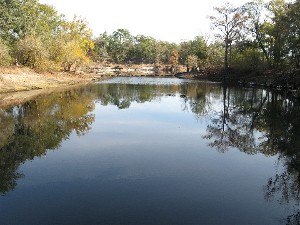
A canoe and kayak launch provides direct access to the Suwannee River from within the park. Paddlers can explore one of Florida’s most scenic rivers while using Troy Spring as a convenient starting point or stopping location during longer trips.
The calm spring run offers an easy transition between the spring and the river, making the park a popular destination for canoeists and kayakers exploring the Suwannee River Basin.
Geological Context
Troy Spring is a first-magnitude spring fed by the Floridan Aquifer, discharging millions of gallons of crystal-clear groundwater into the Suwannee River each day.
The spring emerges from a large limestone basin that reaches approximately 70 feet in depth before flowing through a short spring run into the river. Like many springs throughout the Suwannee River Basin, Troy Spring formed as groundwater dissolved the underlying limestone over thousands of years, creating the deep spring basin visible today.
Its location along the Suwannee River makes the spring an important contributor to the river’s flow and one of several major springs found throughout the region.
The Spring
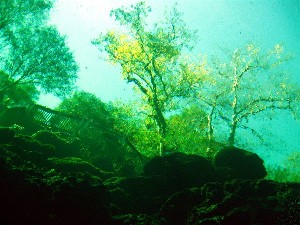
The centerpiece of the park is the impressive spring basin, where exceptionally clear blue water allows visitors to view the limestone walls and deep spring vent below.
Reaching depths of approximately 70 feet, the basin is considerably deeper than many recreational springs in North Florida and provides excellent visibility for swimmers, snorkelers, and open water divers.
A short spring run carries the cool spring water into the nearby Suwannee River, where one of the park’s most remarkable historical features awaits.
- Bring a snorkel to view both the deep spring basin and the remains of the Madison.
- Walk the short nature trail for a different perspective of the park’s sandhill and pine ecosystems.
- Launch a canoe or kayak to explore the Suwannee River after visiting the spring.
- Read the historical displays to learn about the Madison and its role during the Civil War.
- Arrive early during weekends and summer months, as the swimming area can become busy.
The Madison Wreck
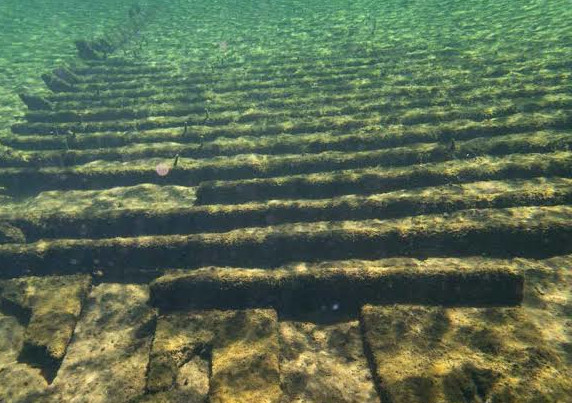
One of the defining features of Troy Spring State Park is the wreck of the Madison, a Civil War-era sidewheel steamboat resting in the spring run.
In 1863, Confederate forces deliberately scuttled the vessel to prevent it from falling into Union hands. More than 160 years later, portions of the wooden ribs and large iron spikes remain visible beneath the clear water, providing visitors with a rare opportunity to observe an authentic Civil War shipwreck in a freshwater spring.
Interpretive displays throughout the park tell the story of the Madison and its role during the Civil War, making the site an important historical landmark as well as a natural attraction.
Recreation
Troy Spring State Park offers a variety of recreational opportunities throughout the year.
Swimming and snorkeling are popular in the clear spring basin, where visitors can enjoy the constant temperature and exceptional visibility.
Picnic areas provide a relaxing place to spend the day, while the park’s peaceful setting makes it an excellent location for wildlife viewing and photography.
The combination of history and natural beauty makes Troy Spring one of the most distinctive state parks along the Suwannee River.
A scenic half-mile nature trail loops through the park, winding through rolling sandhills and longleaf pine forest. Interpretive signs along the trail introduce visitors to the area’s native plants, wildlife, and geological history while providing a peaceful walk through one of North Florida’s characteristic upland ecosystems.
Hydrological Characteristics
As a first-magnitude spring, Troy Spring contributes a substantial volume of groundwater to the Suwannee River. The constant discharge of cool, clear water supports aquatic ecosystems while helping maintain water quality and river flow. Like other major springs within the Suwannee River Basin, Troy Spring illustrates the close relationship between the Floridan Aquifer and North Florida’s rivers.
Open water diving is permitted within Troy Spring State Park and offers divers an opportunity to explore one of Florida’s deepest recreational spring basins.
The park prohibits the use of dive lights, and cave diving is not permitted. Although small overhead areas exist within the basin, penetration into these spaces is prohibited by park regulations.
These restrictions help protect both visitors and the fragile spring environment while allowing recreational divers to experience the remarkable clarity and depth of the basin.
Current Status
Troy Spring State Park is managed by the Florida Park Service and remains open for day-use recreation.
Swimming, snorkeling, open water diving, hiking, paddling, and wildlife viewing are all popular activities.
Dogs are welcome within the park but must remain on a handheld leash and are not permitted in the spring or surrounding water.
This system is discussed in The Hidden Rivers of Florida because of its importance to cave exploration and ground water research.
Learn about the bookContinue Exploring Florida’s Hidden Waters
If you enjoyed the information about this springs, you’ll love the free guide:
The 25 Most Notable Springs and Cave Systems in Florida
From world-famous destinations like Wakulla, Jackson Blue Spring, and Peacock Springs to lesser-known hidden gems, this guide introduces some of Florida’s most fascinating natural wonders.
Download your free copy and continue exploring beyond the surface.
Get the Free Guide →Frequently Asked Questions
Troy Spring is located within Troy Spring State Park near Branford in Suwannee County, Florida.
The spring basin reaches approximately 70 feet in depth.
Yes. Open water diving is permitted, but dive lights and cave diving are prohibited.
The Florida Park Service prohibits dive lights and cave penetration to discourage cave diving within the spring basin and protect visitor safety.
The Madison was a Civil War-era sidewheel steamboat intentionally scuttled in 1863. Portions of the wreck remain visible in the spring run today.
Yes. Canoes and kayaks may be launched from the park’s dock to explore the Suwannee River.
Yes. Dogs are welcome on a leash but are not permitted in the water.
Nearby Springs
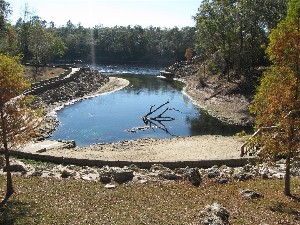
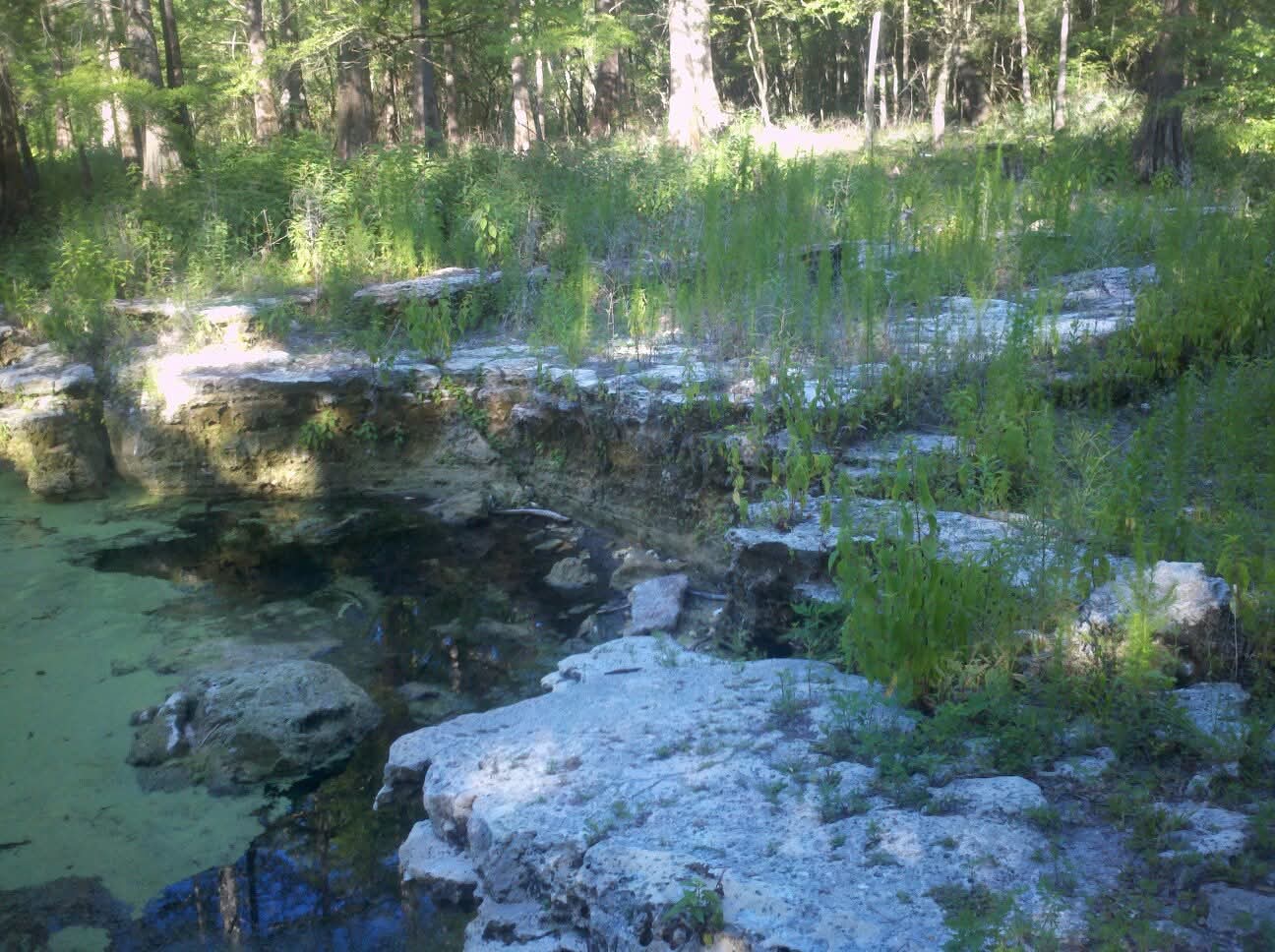
Photo Gallery