
Florida’s Nature Coast
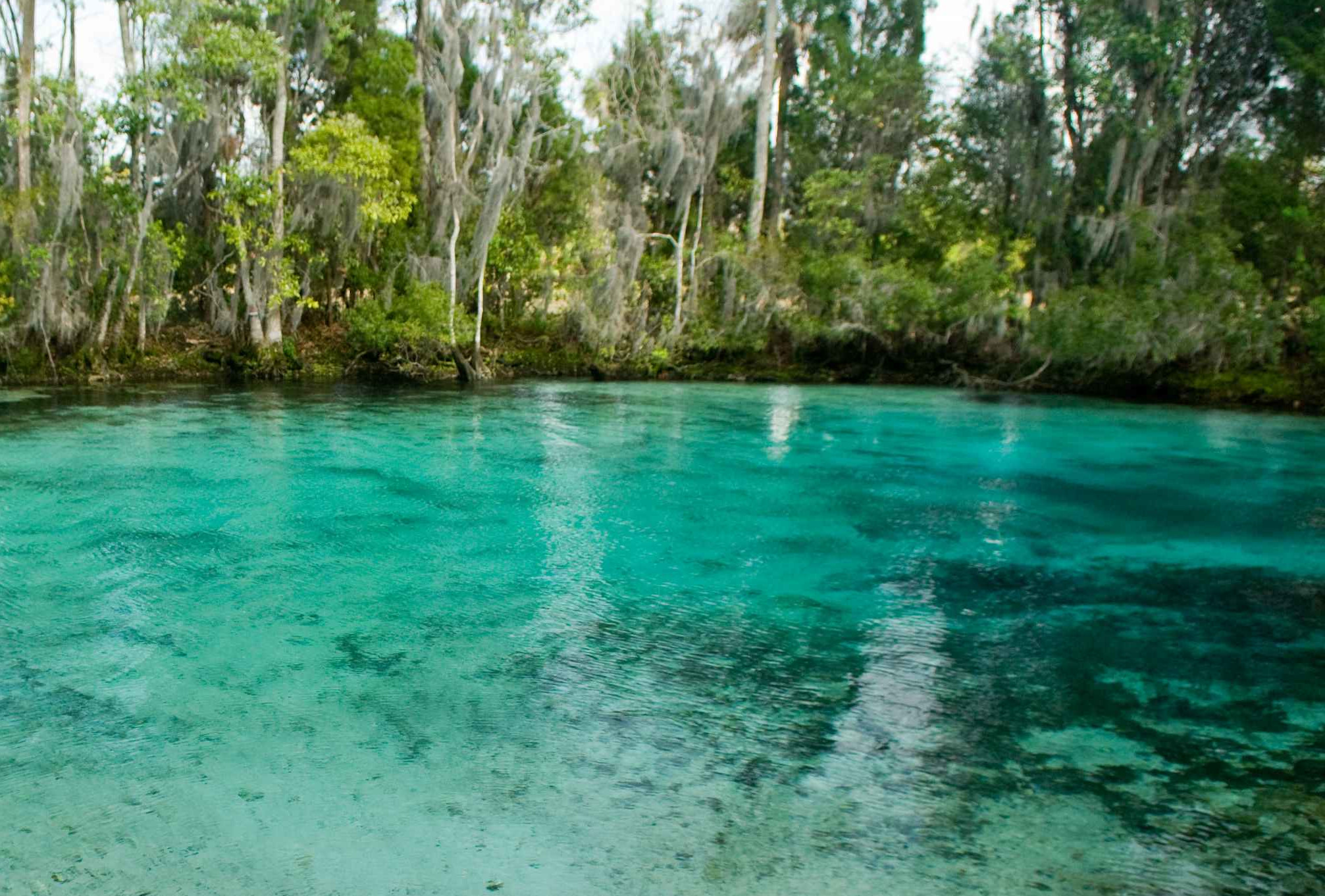
Overview
Florida’s Nature Coast stretches along the Gulf Coast through a landscape of freshwater springs, spring-fed rivers, coastal wetlands, sinkholes, and underwater cave systems. From Rainbow Springs and the Crystal River/Kings Bay springs group to Homosassa, Chassahowitzka, and Weeki Wachee, the region contains some of Florida’s most significant groundwater features.
The Nature Coast is particularly notable for the relationship between its inland aquifer, its spring systems, and the Gulf. Groundwater emerges through limestone openings to form clear spring pools and rivers, while underground conduits carry water through the karst landscape toward the coast.
The region is also important for cave exploration. Weeki Wachee contains an extensive underwater cave system, while Eagle’s Nest, the Diepolder cave systems, and Twin Dees represent important sites in the history of Florida cave diving.
Beyond the well-known springs and diving destinations, the Nature Coast contains numerous smaller springs, sinkholes, and groundwater features that contribute to the region’s hydrology and ecological diversity.
Today, Florida’s Nature Coast remains an important area for spring conservation, wildlife protection, recreational paddling, cave exploration, and the study of Florida’s groundwater systems.
The term Nature Coast is used here as a geographic region for organizing springs, rivers, and cave systems along Florida’s west-central Gulf Coast. It is not a single watershed. Individual sites may belong to different river basins or springsheds, and those hydrologic classifications remain important when understanding how groundwater moves through the region.
The Southwest Florida Water Management District identifies five major first-magnitude spring groups within the broader Springs Coast area: Rainbow Springs, Crystal River/Kings Bay, Homosassa Springs, Chassahowitzka Springs, and Weeki Wachee Springs. Together, these spring groups discharge more than one billion gallons of water per day.
Geological Context
Karst Development
The Nature Coast developed within Florida’s extensive limestone terrain. Rainwater becomes mildly acidic as it moves through the atmosphere and soil, gradually dissolving limestone along fractures and other weaknesses in the rock. Over long periods, this process enlarges openings and creates underground conduits, caves, sinkholes, and springs. Where groundwater reaches the surface, it may form an isolated spring pool, a cluster of vents, or the headwaters of a spring-fed river.
The region’s karst landscape extends from inland uplands to coastal wetlands. Some areas contain large, well-defined spring basins, while others are characterized by numerous small vents and submerged conduits beneath rivers and bays.
The Floridan Aquifer
The Floridan aquifer is the primary groundwater source for many of the Nature Coast’s major springs. Rainfall enters the ground across large springsheds and moves through porous limestone and dissolution-enlarged conduits before emerging at springs. Groundwater discharge helps maintain the temperature and flow of the spring-fed rivers. These stable conditions support aquatic vegetation, fish, turtles, and other wildlife, while warm spring water provides critical winter habitat for manatees. The groundwater system also connects inland features with coastal environments. Changes in groundwater quality, rainfall, land use, and water withdrawals can affect spring discharge and the ecological condition of the rivers and bays.
Regional Overview
Florida’s Nature Coast includes a diverse collection of spring systems and underwater caves. The region combines major recreational springs, important wildlife habitats, and some of Florida’s best-known cave-diving destinations.
- Major Spring Groups: Large groundwater discharges feed Rainbow River, Crystal River and Kings Bay, the Homosassa River, the Chassahowitzka River, and the Weeki Wachee River.
- Spring-Fed Rivers: Clear rivers carry groundwater toward the Gulf, supporting aquatic vegetation and wildlife.
- Underwater Cave Systems: Submerged limestone passages occur beneath several springs and sinkholes, including Weeki Wachee and Eagle’s Nest.
- Manatee Habitat: Kings Bay and other coastal spring systems provide warm-water refuges for manatees during cold weather.
- Coastal Wetlands: Marshes, swamps, and estuarine habitats connect freshwater systems with the Gulf Coast.
- Conservation Importance: Water quality, groundwater availability, aquatic vegetation, and responsible recreation are central to the long-term health of the region.
Major Spring Systems
Rainbow Springs
Rainbow Springs is one of Florida’s largest spring systems and the source of Rainbow River. Located near Dunnellon, the spring is known for its clear water, extensive aquatic vegetation, and long history of recreation.
The river carries spring water downstream toward the Withlacoochee River. Its headsprings, spring run, and surrounding landscape make it an important example of the connection between groundwater discharge and a spring-fed river ecosystem.
Crystal River and Kings Bay
The Crystal River/Kings Bay springs group contains numerous spring vents that discharge groundwater into Kings Bay. These springs are especially important for their ecological role as warm-water habitat for West Indian manatees.
Three Sisters Springs is one of the best known features of the system. Its clear water, limestone openings, and sheltered basin attract manatees during colder months. Other springs, including Hunter Springs and King Spring, contribute to the broader Kings Bay landscape.
Homosassa Springs
Homosassa Springs feeds the Homosassa River and forms part of a major coastal spring system. The area is known for its wildlife, clear spring water, and long history of tourism and wildlife viewing. The spring system supports aquatic habitats and contributes groundwater to the river as it moves toward the Gulf of Mexico.
Chassahowitzka Springs
The Chassahowitzka Springs system consists of multiple springs that feed the Chassahowitzka River. The main spring and smaller vents contribute to a short, shallow river that flows through coastal wetlands toward the Gulf.
The area is particularly well suited to paddling and wildlife observation. Seven Sisters Springs, Crab Spring, Baird Spring, and other smaller features demonstrate how numerous groundwater openings can contribute to a single river system.
Weeki Wachee Springs
Weeki Wachee Springs is the source of the Weeki Wachee River and one of Florida’s best known spring attractions. The spring is famous for its underwater mermaid performances, which began in 1947, but it is also notable for its extensive submerged cave system.
The river flows through a landscape of clear water, aquatic vegetation, wetlands, and coastal development before reaching the Gulf of Mexico. Other features associated with the broader Weeki Wachee system include Twin Dees Spring, also known as Little Spring, and Hospital Hole, a deep sinkhole beneath the river.
Major Cave Systems and Karst Features
Eagle’s Nest
Eagle’s Nest is widely regarded as one of the most challenging and technically demanding underwater cave systems in the world. The system descends to significant depths through a series of shafts, rooms, and passages that have attracted some of the most accomplished cave explorers in the diving community.
Often referred to as the “Mount Everest of cave diving,” Eagle’s Nest has played a major role in deep cave exploration, mixed-gas development, and technical diving advancement.
The cave’s depth and complexity require extensive training, experience, and specialized equipment. Its depth and complexity have earned Eagle’s Nest international recognition within the cave diving community.
Diepolder Cave Systems
The Diepolder Cave Systems hold historical significance as the birthplace of modern technical cave diving. Known for their depth and complexity, the Diepolder systems provide insight into the extensive groundwater conduits that characterize Florida’s karst landscape. Cave diving used to be allowed with a designated guided dive. Unfortunately, access has been revoked and cave diving is no longer permitted in the Diepolder Cave Systems.
Twin Dees
Twin Dees, also known as Little Spring, is associated with the Weeki Wachee River system. The site provides access to submerged passages within the Floridan Aquifer and has attracted cave divers interested in exploring the basin’s lesser-known karst features.
School Sink
School Sink is another important system within the basin and contains submerged limestone passages associated with regional groundwater flow.
The system is recognized for:
- Deep basin structure
- Narrow conduit sections
- Flow-sensitive conditions
- Karst collapse features
- Technical cave access
Exploration and survey efforts within the system continue to improve understanding of the surrounding underground network.
Hardee Spring
Hardee Spring is a first-magnitude spring located within the Withlacoochee River Basin. The spring contributes a significant volume of groundwater to the Suwannee River system and serves as an important example of the region’s karst hydrology. Although not widely known for cave diving, Hardee Spring reflects the extensive groundwater network that underlies much of north Florida.
Citrus Blue Hole
Citrus Blue Hole is a spring-fed sinkhole that serves as an access point to the region’s groundwater system. The site’s clear water and karst features make it a notable example of the geological processes that continue to shape Florida’s underground environment.
Gum Slough Springs
Gum Slough Springs form part of an extensive spring-fed system within the Withlacoochee River Basin. The springs discharge groundwater from the Floridan Aquifer and contribute to the region’s complex network of surface and subsurface waterways. Their clear water and natural setting make them an important component of the basin’s hydrology.
Annutteliga Hammock Systems
The Annutteliga Hammock systems consist of sinkholes, springs, and groundwater conduits associated with one of Florida’s most significant karst regions. These features provide valuable insight into groundwater movement, aquifer recharge, and the geological processes responsible for the development of Florida’s cave systems. Exploration and research within the area continue to improve understanding of the region’s underground drainage network.
Exploration History
The Nature Coast has a long history of human use and exploration, from Indigenous occupation and historic settlements to modern recreation, scientific research, and cave diving. The region’s springs attracted early settlers and visitors because of their clear water and reliable groundwater discharge. During the twentieth century, several springs developed into popular tourist destinations. Weeki Wachee became famous for its mermaid shows, while Crystal River grew into an important destination for manatee viewing.
Cave exploration added another dimension to the region’s history. Divers documented submerged passages beneath springs and sinkholes, revealing underground landscapes that could not be understood from surface observations alone. Sites such as Eagle’s Nest, Diepolder, and Weeki Wachee became important in the evolution of cave-diving exploration and technical procedures.
More recently, conservation efforts have focused on protecting spring basins, restoring aquatic vegetation, maintaining water quality, and preserving habitats used by manatees and other wildlife.
Hydrology
The Nature Coast does not drain through a single river basin. Instead, it contains several major springsheds and river systems that discharge groundwater toward the Gulf. Rainfall infiltrates the limestone landscape and replenishes the Floridan aquifer. Groundwater then travels through porous rock, fractures, and dissolution-created conduits before emerging at springs.
The five major Springs Coast spring groups – Rainbow Springs, Crystal River/Kings Bay, Homosassa Springs, Chassahowitzka Springs, and Weeki Wachee Springs – represent some of the largest groundwater discharges in west-central Florida. Their combined flow supports spring-fed rivers, coastal wetlands, and aquatic habitats. Groundwater discharge also influences water temperature, clarity, and the availability of freshwater habitat in the region’s coastal environments.
Because the springsheds cover large areas, groundwater conditions can be affected by land use and water management far from the spring openings themselves. Understanding the relationships between rainfall, groundwater recharge, cave conduits, spring discharge, and coastal conditions remains important to protecting the region’s water resources.
Ecological Importance
The Nature Coast supports a wide range of freshwater, wetland, and estuarine habitats. Spring-fed rivers provide habitat for fish, turtles, aquatic invertebrates, and submerged vegetation. Coastal marshes and swamps support wading birds, raptors, river otters, and other wildlife.
Manatees are among the region’s most recognizable animals. Kings Bay and other warm-water spring areas provide refuge during cold weather, when access to warmer groundwater can be critical to their survival.
The ecological health of these systems depends on adequate spring flow, good water quality, and healthy aquatic vegetation. Nutrient enrichment, sedimentation, shoreline development, and recreational impacts can affect these conditions.
Protecting the Nature Coast therefore requires attention to both the springs themselves and the larger watersheds and springsheds that supply them.
Conservation
The region’s spring systems face several interconnected challenges. Groundwater quality can be affected by nutrients and other contaminants that enter the aquifer through recharge areas. Changes in rainfall and groundwater withdrawals can influence spring discharge, while sedimentation and recreational pressure can damage aquatic vegetation.
The five major Springs Coast spring groups are recognized as priority water bodies for management and restoration. State and regional agencies work with local partners to monitor spring conditions, restore habitats, and develop management plans.
Conservation efforts also include protecting manatee habitat, restoring wetlands, controlling invasive vegetation, and managing public access to sensitive spring areas.
The long-term health of the Nature Coast depends on maintaining the connection between healthy groundwater systems and the rivers, springs, wetlands, and coastal habitats they support.
Legacy
Florida’s Nature Coast represents one of the clearest examples of how groundwater shapes a region’s landscape and identity. The springs provide recreation, wildlife habitat, and a window into the Floridan aquifer. The rivers connect inland springs with coastal wetlands, while submerged caves reveal the underground pathways through which groundwater moves.
The region’s history also illustrates the importance of conservation. Protection of spring properties such as Three Sisters Springs has preserved important wildlife habitat while allowing the public to experience these landscapes. From the manatee refuges of Kings Bay to the deep caves of Eagle’s Nest and Weeki Wachee, the Nature Coast contains a remarkable variety of natural features. Each spring and cave system contributes to a broader understanding of Florida’s hidden rivers.
Current Status
Florida’s Nature Coast remains a major destination for spring recreation, paddling, wildlife viewing, scientific research, and cave exploration.
The major spring systems continue to discharge groundwater into rivers and coastal waters, while protected areas provide opportunities for visitors to experience the region’s natural landscapes. Access varies by location. Some springs offer swimming and paddling, while others have seasonal wildlife restrictions or limited access. Certain cave systems are restricted or closed to diving, and visitors should check current rules before planning a trip.
Regional conservation programs continue to monitor water quality, spring flows, aquatic vegetation, and wildlife habitat. These efforts are important because the condition of the springs depends on groundwater and land-use conditions throughout the wider region.
Today, the Nature Coast remains an important part of Florida’s natural heritage, combining major spring-fed rivers, protected manatee habitat, coastal wetlands, and historically significant underwater caves..
Return to Florida Cave Systems
Frequently Asked Questions
Florida’s Nature Coast is the west-central Gulf Coast region known for its springs, spring-fed rivers, wetlands, wildlife, and karst landscape. On Hidden Rivers of Florida, it serves as a geographic hub for related spring and cave systems.
Major spring groups include Rainbow Springs, Crystal River/Kings Bay, Homosassa Springs, Chassahowitzka Springs, and Weeki Wachee Springs.
No. The Nature Coast includes multiple watersheds and springsheds. Each spring or cave system should retain its own river basin or hydrologic classification where that information is known.
Crystal River and Kings Bay are among the best-known manatee habitats. Three Sisters Springs is a particularly popular viewing location during the colder months, subject to seasonal access rules.
Yes. Weeki Wachee, Eagle’s Nest, Diepolder, and Twin Dees are among the region’s notable cave systems or cave diving locations. Access varies, and some sites are closed to diving.
No. Swimming and paddling access varies by location. Some sites have seasonal restrictions, protected wildlife areas, or private property boundaries.
The springs provide groundwater discharge, support spring-fed rivers and wetlands, maintain aquatic habitats, and supply warm-water refuges for manatees. They also offer important opportunities for research and recreation.
Many springs emerge where groundwater conduits within limestone intersect the surface. Some of these conduits form extensive underwater caves, while others consist of smaller fractures and openings that contribute to spring flow.